春の日本旅行日記2023年1日目千葉


日本で姪の結婚式に出席。日本での10日間旅行。
2023年春の日本日記。
第1日目:
東京の羽田空港に午前4時30分に到着。
飛行はスムーズで予約しておいたビーガン食は結構良かったので出発前に作って持って行った玄米おにぎりと一緒に食べた。

飛行機内ではあまり眠れない私は映画を2つ見て、新しいセーターを編み始めた。


ロスを午前1時ごろ出発して11時間半後、羽田空港に到着してまだ外は暗かったので私の頭の中は混乱しているようだったが、4年振の日本でワクワクした気持ちがその混乱を吹き飛ばしてくれた。本当なら2年前に姪の結婚式が予定されていたがパンデミックがあって2年延期になってこの2年間待っていた気持ちがワクワクを大きくしたようだった。

2001年に臨死体験をするほどの酷い交通事故で両足を重症して以来、空港での移動は車椅子を使って足をケアー。
今回、羽田空港で木製の車いすを使う事になってびっくり大喜び。

日本航空(JAL)が空港施設内の移動をスムーズ(そのまま保安検査場を通過可能)にする木製の車椅子を開発したとNHK World News 番組 で見たことがありますが実際に見るのは初めて。木製の車いすは柔らかい感触で体に馴染むようでとっても気に入った。 また車椅子の介助者の方も丁寧で、優しくゆっくりと押してくれ、本当に日本にいるんだなと感動。


FBのトークページ「Body Joy」をまさよちゃんとオーガナイズしている、逸子さんにそのトークに招待していただいた時にオンラインで出会った。今回私のクラスに参加という事で、とってもご親切に空港まで迎えに来て下さった。これは天からの贈り物だなと感謝してBrown’s Fieldに一緒に出発。

逸子さんとは実際初対面でしたが、ずっと前から知っていたような気がして、会った途端にたくさんたくさん車の中でフラワー レメディ、アニマルコミュニケーションの事など話していると、急にエリックが海底を走っているのかって聞いてきた。

そう私たちは東京湾アクアラインを通過してたのだ。
海底と海の間を走る珍しい道~東京湾アクアライン~
全長約15.1kmの有料道路です。川崎側に約10kmの海底トンネル「アクアトンネル」、木更津側に約4.4kmの橋「アクアブリッジ」。
エリックは初めて水面下/湾岸道路の下に行くことにとっても興奮。
東京湾アクアラインを過ぎてだんだん田舎道に入って行ってドライブは早く感じた。

Brown’s Fieldに到着すると、有機田んぼを20年営んでいる友人中島デコさんがお出迎え。

朝食を済ませ、マチネ (デコちゃんの娘) の初めての赤ちゃんを訪ねた。赤ちゃんのスイちゃんはとても可愛かった。


朝食を済ませ、マチネ (デコちゃんの娘) の初めての赤ちゃんを訪ねた。赤ちゃんのスイちゃんはとても可愛かった。
私は犬の赤ちゃんを産ませるお手伝いは45匹くらいしたので産まれたばかりの子犬を抱くのは慣れてるけど、卵巣癌で赤ちゃん産めなかったので人間の赤ちゃんあまり抱いた事なくってちょっと怖かった。でもこんな大切な時を持てて嬉しかった。

デコちゃんの美味しい自家製「桜あずき蒸しパン」最高だった。
桜の花の塩漬けきれいだった。


その後、エリックが地元のフォイルサーファー、ジュンさん(TEDというサーフショップを経営)と彼の友達と一緒にフォイルサーフィンを計画していた九十九里浜ビーチに。

日本のビーチはここサンタモニカのように白い砂浜が長いものがほとんどないけど、九十九里浜は66kmもある白い砂のビーチ。海が大好きな私は子供の頃にこのビーチの事を聞いたことがあり、いつか行ってみたかった。私がそこにいるのは夢のようだった。

風がすごく強くってフォイルサーフィンには最高日和。エリックは素早く着替えてすぐ海に。


逸子さんと愛犬の茶々丸と一緒に風が吹く浜辺を満喫しました。
茶々丸は初めての海遊びで、とても楽しそうだった。


エリックは海に残り、私はBrown’s Filedに戻り、逸子さんと一緒に、Rice Terrace Cafe で昼食。
春のフラワー レメディと薬草茶 with マクロビオティックのクラスを教える準備。


その間、エリックは他のローカル フォイル サーファーと、3.5 時間以上フォイルサーフィン。私のクラスをヘルプしてくれるはずが、きっと楽し過ぎたのでしょう!
日本に到着したばかりで、私がサンタモニカで作った玄米おにぎり一つだけのランチだけでこんなスタミナいっぱいのエリックに感服。

Brown’s Filedに戻って来たエリックはローカルのサファーと会ってジュンさんの家族にも会ったと大喜び。


それと私があげたおにぎりがなかったらきっと腹ペコでどうしたかわからなかったとおにぎりのお礼をしてくれた。もちろんお腹まだ空いてたから私のお昼を残しておいてあげたのをむしゃ食いしてた。


私のクラスはエリックいなかったけど、生徒さんがヘルプしてくれてとてもうまくいきました。
日本でクラスを長い間教えていなかったのでどのように教えようか考えて、サンタモニカから使う薬草の押し葉と3種類のブレンド薬草茶を持って行って良かった。

参加者のみなさんは、熱心に学び、質問は礼儀正しく丁寧でとても楽しかった。
このクラスがうまくいったのは、昨年オンラインのフラワー レメディ クラスを受講した鈴木恵子さんのおかげでもありました。
彼女はフットマッサージセラピストで、クラスの後にフットマッサージをプレゼントしてくれました。彼女の心の強さは、彼女が私の足をどのようにマッサージしたかでよ~くわかりました。ありがとう恵子さん!I enjoyed it a lot. 


夕食はBrown’s Filedのスタッフとボランティアのみんながデコちゃんとおいしく作ってくれました。私たちの一番のお気に入りは、近くの竹林で採って来た竹の子で作ってくれた葛ソースの竹の子ボール。エリックは作り方を聞いてたからいつかサンタモニカでも食べられるかも。
長年の友達であるデコちゃん、新しくお友達になった逸子さんと、そしてブラウンズフィールドの方々と一緒に過ごし心が温まった。
再び私の故郷である日本にこうして健康で行けた事に感謝。


夜、寝心地が良いお布団に横になっているとカエルの合唱が昼間より響いて、午前3時頃に外に出て座ってた。


見つめる空は曇天で残念ながら星は何も見えず田んぼも目を閉じているかのように真っ暗。


ただカエルの声だけが私の心を休めてくれた。
日本の春2023年の一日目だった。

❤️Sanae

Japan Spring 2023 Diary Day 1 Chiba

Eric and I attended my niece’s wedding in Japan. We took this opportunity to enjoy our trip to Japan.

I share it as Japan Spring 2023 diary.

Day 1:

Eric and I arrived at Haneda Airport, Tokyo, at 4:30 am.

The flight was smooth, and the vegan meals I ordered were pretty decent, so I ate them with my brown rice onigiri.

I usually have difficulty sleeping in an airplane, so I watched two movies and started to knit my new sweater. 

We left LAX around 1 am and 11 hours and a half later, still dark outside when we arrived in Tokyo. It was a wired feeling to have the darkness for a long time, and it did not make sense to my head, but the excitement of being in Japan for the first time in four years blew away the confusion.

I was supposed to be in Japan for my niece’s wedding two years ago, but because of the Pandemic, we had to wait for two years. The long waiting gave me more excitement.

I have been using a wheelchair in the airport to rest my legs since I injured my legs from a severe car crash in 2001.  I was surprised to see a wooden wheelchair arrive for me to use. I have heard that Japan Airlines (JAL) has developed a wooden wheelchair for smooth movement within airport facilities. 

You can pass through the security checkpoint while using a wooden wheelchair. I have seen it on the NHK World News program (NHK is a Japanese public broadcaster offering local, national, and world news reports in English), but it was for the first time I used it.

I liked riding the wooden wheelchair because I felt that it was soft and connected to my body. Also, the person who assisted the wheelchair was polite, and she pushed it gently and slowly for me. I sure felt that I was in Japan.


Itsuko-san, who I met on the FB talk page “Body Joy” (she and Masayo are organizing the talk), was attending my class and kindly offered to pick us up at the airport. I felt this was a gift from heaven.

We did not know each other much, and it was our first meeting, but we felt we had known each other for a long time. We were talking and talking so much about Flower Remedy, Animal Communication, and more.

Eric suddenly said, “Are we going to under the water”?

Yes, we were passing Tokyo Bay Aqua-Line, a rare road between the seabed and the sea. It is a toll road with a length of about 15.1 km(9.4 miles). About 10 km(6.2 miles) undersea tunnel “Aqua Tunnel” on the Kawasaki side and about 4.4 km(2.7 miles) bridge “Aqua Bridge” on the Kisarazu side. Eric got so excited for the first time going under the water/bay road.

We all felt the ride was fast after Tokyo Bay Aqua-Line went through the countryside.


We arrived at Brown’s Field, welcomed by our long-time friend, Deco Nakajima, who has operated her organic rice field for 20 years.

We had breakfast and visited Matinee (Deco’s daughter) ‘s first baby.  The baby, Sui, was so precious. 

I have helped 45 puppies to be born and raised, so I have no problem holding puppies but holding a human newborn was scary for me. I could not have a baby because I had ovarian cancer.

It was a breathtaking moment!

We had Deco’s delicious homemade “Cherry Azuki beans steamed bread” there. So beautiful to see pickled Cherry Blossoms.


Then we went to the Kujyuu Kurihama beach, where Eric planned to Foil surf with a local Foil surfer, Jun Adegawa, who owns a surf shop, “Ted.” 

The powerful windy day for foil surfing.

I heard about the Kujyuu Kurihama beach a long time ago as a child.  Most of the beach in Japan does not have long white sand beaches like here in Santa Monica, so when I heard that Kujyuu Kurihama has 41 miles of long white sand beach, I wanted to go there someday. It was like a dream that I was there now.

Eric started to Foil Surfing almost right away.

Itsuko, her dog, Chacha Maru, and I also enjoyed the beach with the wind. It was Chacha Maru’s first time on the beach, and he had so much fun.

Eric stayed at the beach for Foil Surfing, I returned to Brown’s Felid with Itusko, had lunch at the Rice Terrace Cafe, and prepared for my Spring Flower Remedy and Medicinal Tea with Macrobiotic class.

While I was having lunch, Eric met other local Foil surfers and kept surfing for over 3.5 hours. He was supposed to finish his Foil Surfing in two hours and return to Brown’s Felid to eat lunch and help me with my class, but he must enjoy surfing so much!

I could not believe Eric could Foil Surfing for so long the day we arrived in Japan. I was so impressed by Eric, who was full of stamina. 

When he returned to Brown’s Field, he was so excited that how much fun he had with local surfers and met Jun’s family.


Eric also thanked me for giving him the brown rice ball I made in Santa Monica before I left the beach. He was, of course, still very hungry. I was glad that I did not eat my lunch everything so I could give him.


My class went very well with the help of the students. I did not teach in Japan for a long time, so I was concerned about how I teach; I carefully prepared in Santa Monica, bringing pressed medicinal plant leaves and three blended medicinal plants teas I made, etc. 

I enjoyed it a lot. 

Participants were all to learn enthusiastically and asked questions mannerly and politely. This class was also successful because of the help of Keiko-san, who took my online Flower Remedy classes last year. She is a foot massage therapist and gave me a foot massage after the class. Her strength showed how she massaged my foot; it was a special treat.


All the Brown’s Field staff and volunteers made the delicious dinner with Deco. Our favorite was bamboo balls with Kuzu sauce and Ume Shio condiment. It was heart-warming to spend time with a long-time friend, Deco-chan, and a new friend, Itsuko-san, with people at Brown’s Field.

At night, when I was lying on a comfortable futon, I heard a chorus of frogs, and I went out and sat down around 3 am.


The sky was cloudy and unfortunately I could not see any stars and the rice fields were pitch black as if my eyes were closed.


Only the sound of frogs put my mind at rest.
It was my first day of Spring 2023 in Japan.

❤️Sanae

春はお漬物作りの季節!  

アメリカに移住して多くのことを学び、中でもマクロビオティックで五行の身土不二を勉強した事は私の人生を変える重要な教訓の1つ。

四季折々に暮らしながらたくさんの人々が生きている日本で育ち、季節という言葉はよく耳にした。実際には昔から人々は春・夏・晩夏・秋・冬の五季を大切に生きてきたので、五行をすぐ納得。

小さい頃に祖母や母がしていた「※季節の手仕事」。 ※季節の手仕事とは、季節ごとに自分の手で何かを作ること。30年程、住んでいる南カリフォルニアのサンタモニカには、はっきりした四季や五季らしいものはない、でも季節の変化はそれなりにあり、自然の変化を感謝しながら日本伝統の季節の手仕事を楽しんでる。

例えばここの冬は厳しいものではないが周りの大気・空気、そして自分の体のエネルギーの収縮と緊張に気づく。そんな冬に育つ野菜や果物に拝謝を捧げながら手仕事をする。

1月の季節の手仕事は、りんごジャムと柑橘マーマレード(通常はみかん)作り。でも、今年初めて夫とゆずマーマレードを作ってみたら、とても美味しかった。 キンカンシロップもこの時期に作ってお湯に注いで飲むと喉の痛みを和らげ冬には欠かせない。

2月は味噌作り。麦みそと米みそを少量ずつ作って、旧正月を祝い本当の意味での新年を感じる。

その後、サンタモニカには突然春が訪れ、毎年冬を押しのけます。春はエネルギーが湧き上がり、酸味のある味わいが五行で肝・胆のうの働きをサポート、という事で3月はぬか漬け。

新しい玄米糠を手でゆっくり炒りながら、何をこのぬか床に漬けて美味しいぬか漬けを作ろうか考えるのが好き。炒った糠を古い糠床に追加して、ぬか床完成。暖かくなる前のぬか漬けは、冬に育った大根とかぶがピッタリ。甘い味の人参もぬか漬けの酢ぱっさに最高に合う。白菜やキャベツも漬けて、暖かくなってきたらキュウリのぬか漬けは最高。後、春になると作るのは浅漬け(サラダのような味がする短時間で作れる漬物)。

日本では、漬物は古くからご飯やみそ汁と並んで主食の一つだった。

私の育った家でもよく各食事に漬物が出てきたんだけど私は若い頃、変なにおいがするし、塩っぱすぎて酸っぱすぎて、日本の伝統的な漬物があまり好きじゃなかった。食べるとしたら甘みのある麹漬けの漬物だけだったのを覚えてる。

母はいつも「あー、また漬物食べてないね…漬物は体にいいから食べなさい!」と言ってた。でも私が泣きそうになると「もう、仕方がないわね。大きくなったら漬物が好きになるから泣かなくっていいよ。」とも言ってくれた。母はなぜ漬物が体に良いのか、私が漬物を好きになるにはどれだけ成長しなければならないのかを決して教えてくれなかったけど、私も聞かなかった。

英語を勉強するためにアメリカに来たとき、まだアメリカの漬物(ピクルス)も好きにはなれなかったけどレリッシュピクルスを試してみたら、甘くて麹漬けの漬物のような気がして少し食べれた。

1993年(平成5年)にマクロビオティックを初めて勉強したとき、私たちの食事に漬物が欠かせないことを知った。漬物は歴史を通じて食品の保存を可能にし、漬物は世界のさまざまな地域で主食となっている事。発酵した漬物は、消化を助け、腸を強化し、食物を吸収し、病気と戦う乳酸菌を促進し、繊維、ビタミン、抗酸化物質の健康上の利点を提供し、食欲を高める。

私は母が言うように漬物を好きになれるくらい十分「成長」していたし、漬物がなぜ体にいいかを理解できた。それから手作りの漬物、日本の伝統的な漬物を作るようになった。毎年、5月が来ると梅干しも作りが楽しみ。(梅干し作りにレシピは英語ですが私のブログを参照。https://sanaesuzuki.com/2021/05/29/santa-monica-homemade-umeboshi-plums/)、ぬか漬け、味噌漬け、醤油漬け、その他、浅漬け、マクロビオティック レシピのプレス サラダのような非伝統的な漬物。

漬物は奈良時代(710~794年)に塩漬けの保存食として始まったと日本の歴史文献で読んだことがあります。そこに書いてあった事は、なすやメロンなどの野菜や桃などの果物が、主に寺僧のおかずとして塩漬けにされていたことがわかりました。

平安時代(794~1191年)に、春にワラビ、フキ、メロンを塩漬けにした漬物が導入されました.茄子、柿、梨を秋に塩、味噌、もろみ、酒粕で漬けました。

鎌倉時代(1180〜1336)から室町時代(1336〜1537)にかけて、茶道の発展と紋香(香)の使用により、人々はますます漬物を食べるようになり、感覚だけでなく、味覚や嗅覚で味や香りを感じるのではなく、その場の空気や香りを心で楽しむこと。これは主に、日本人が繊細で繊細な味覚や嗅覚を好むことが関係していると言えます。漬物には味覚や嗅覚を新たにする効果があるため、お茶会で供されました。

江戸時代(1600〜1868)になると、野菜の種類が増え、全国から多くの商人が江戸に集まるようになりました。その結果、さまざまなピクルスの作り方が考案されました。それまでは食品を保存するために漬けていましたが、研究により短時間で漬けることができるようになり、より手軽に食べることができるようになりました。

ぬか漬けの出現は、家庭の漬物作りに大きな影響を与えました。食糧不足や環境保全が問われるこのような時代に、再利用可能な米糠床は重要です。

明治時代(1868〜1912年)、東京郊外やその他の都市部の農家が副業として沢庵漬けや奈良漬けを作り始めました。

大正(1912〜1926)と昭和(1926〜1989)の時代に、漬物製造業が活況を呈し始めました。

長い間にわたって、日本では驚くほど多様な漬物が作られてきていたんだと読んでわかり感動。現在、日本には1,200以上の漬物作りの会社があり、少なくとも5〜10種類のピクルスを作っているし、各家庭がその家庭で受け継がれてきたレシピで漬ける地元の自家製の漬物の他に、常に何種類の漬物が作られているか想像できますね。

残念な事にほとんどの市販のピクルスは、消費者の舌を麻痺させ、偽の風味を作り出すために、インスタント調味料MSG、非天然塩、および砂糖を使用しています。

やはり良質な天然塩素材を使った手作りの漬物は、安全で健康食品で味も抜群なので時間がかかっても自分で作るのが一番。

 
下記は、今日の日本の主な品種である9つの漬物です。

1.塩漬け(塩漬け):最も古くからある一般的にどこでも誰でも漬けられるの漬物。

2. ぬか漬け:炒った米糠(米粒を精米する際に取り除かれた米の硬い外皮)、塩、昆布などを混ぜて発酵させて漬ける。家庭用漬物としては昔からある。

3. 粕漬け:漬物は、酒粕(酒を濾した後に残る酵母のもろみ)、塩、砂糖、みりんを混ぜて漬け込む。

4. 酢漬け:酢に漬けた漬物。米酢は漬物用として一般的に使用され、漬物にシャキッとした食感と甘酸っぱい風味を与える。梅酢は塩味と酸味が引き立ち、ピンク色になり大根や生姜などを漬けるのに使われている。その他リンゴ酢も使われる。

5. 味噌漬け:野菜を味噌に漬けて作る。

6. 醤油漬け:醤油ベースで漬け込みます。

7. 麹漬け:野菜、魚、その他の肉などを、麹に砂糖またはみりんと塩を混ぜて漬け込みます。

8. 辛子漬け:塩、辛子、酒などを混ぜて漬ける。

9. 浅漬け:短時間で白菜、大根、きゅうりなどいろいろな野菜で簡単漬ける。


私が春によく作っている漬物レシピをシェアします。

ぬか漬け(Love Sanae料理本から編集)

春らしい酸味と塩気、程よい辛味があり、シャキシャキとした食感と爽やかな風味が心地よい、私のお気に入りの漬物。

ぬか床:

  • 糠(玄米糠)1ポンド (454g)
  • 浄水 2カップ 
  • 天然海塩 大さじ2~4 
  • 昆布(5cm) 2 インチ四方 
  • 試し野菜 1カップの小さく切ったにんじん、キャベツなど

作り方:

1. ぬか漬けを作るには、最初のぬか床作りが肝心。大きめのフライパンを中火にかけ、糠の色が少し変わり、ふすまの香りが強くなるまで乾煎りします。焼き色がついたら火を止めて冷ます。

2. 小鍋に湯を沸かす。海塩を加えて混ぜ合わせます。昆布を加え、火を止めて肌温に冷まします。

3. 冷ました糠をセラミック製の壷、木製の樽、またはエナメルかガラスの容器に移します。塩、水を混ぜたものを加えます。手で材料をそっと混ぜて、昆布も加えて玄米ぬか床の土台を作ります。

4. 小さく切った試し野菜 (キッチン タオルで水気をふき取ります) を加え、発酵プロセスを促進します。清潔な綿の布で容器を覆い、一晩冷蔵庫には入れないで日のあたらないところに置きます。

5. 次の3~5日間、1日1回手(手は清潔に洗って乾かして)で糠を混ぜます。この後、試し野菜 を取り除いて捨てます(私はお庭の堆肥箱に入れます)。これでぬか床でおいしい漬物を作る準備が整いました。

6. 野菜の種類にもよりますが、1日~2日か1週間で食べごろになります。根菜や大きめの野菜は時間がかかり、葉物野菜や小さめの野菜は短時間でできます。例えば、人参は2~3日、丸ごと赤ラディッシュは1日、丸ごと小キュウリは1日。大根や赤ラディッシュそしてきゅうりなど水分が多い野菜は外で1日くらい干す事をお勧めします。

7. 野菜を加えたら、容器を冷暗所に置き、*毎日混ぜて出来上がった野菜から取り出し、新しい野菜を入れていく。食べる時は必ず水で糠を洗い流してください。

*毎日混ぜることができない場合は、冷蔵庫に数日から1週間置いておくことができます。置きすぎると野菜の酸味や塩気が増すので気をつけて下さい。しばらく留守(1ヶ月くらいまで)をして混ぜる事が出来ない時、ぬか床 を野菜なしで冷蔵庫に保管してください。その場合、またぬか床 を復活させるには新しく炒った糠を古いぬか床に追加してリフレッシュすることで、ぬか漬け作りを大体再開できます。でも水分が多すぎたりしたら初めから作り直しをお勧めします。


あさ漬け 白菜のピクルス

シャキシャキであっさりした野菜が好きな方に、さっぱりとした味わいが人気のお漬物です。

材料

  • 白菜 500g(全体の約半分)
  • 天然海塩 10~20gの(野菜の総重量の2~4%)
  • 昆布 1枚 5cmx8cm/2”x 3.2″(野菜の重さの約0.5~1%)
  • みじん切りの生姜 5g(お好みで)
  • 種なしの乾燥赤唐辛子 2~4個 輪切りにして味を調えます(お好みで)
  • 水(容器の1/3)
  • 重さ – 野菜の重さの約1.5~2倍

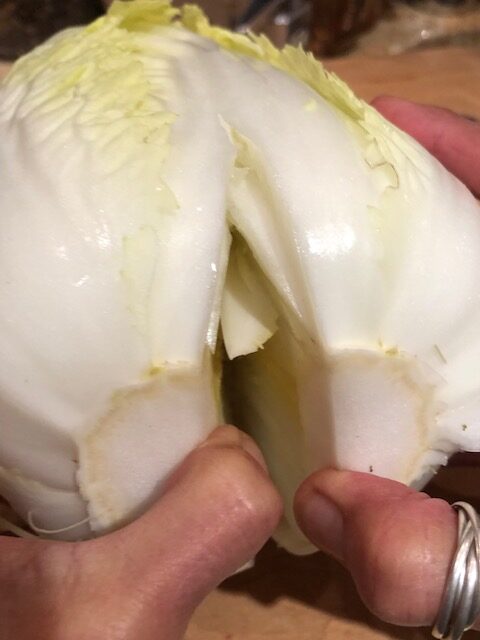
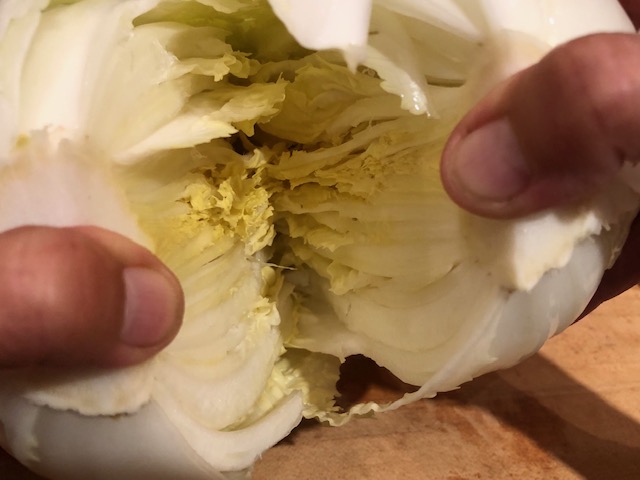
1.*白菜を切る: 白菜の根元から約5cmの深さに切り込みを入れ、2つに裂きます。さらに同じように包丁を入れてちぎり、4つに割る。キャベツが大きい場合は6~8 等分に分割してもいいです。


2. 漬ける容器の容量の1/3程度の水を加え、塩を加えて溶かす。

3. キャベツを同じ方向に並べる。 2 番目のものを重ねる必要がある場合は、1 番目の層に塩の半分を置き、赤唐辛子と昆布を振りかけます。残りの白菜を反対方向に並べ、2列目に並べ、残りの塩をふりかけます。手のひらでしっかり押さえながら塩水を念入りに塗るようにかけると、水が上がりやすくなります。

4. 落し蓋をして、おもり(私は大きな川石を使ってます)で押します。

薄手の布巾をかぶせて12~24時間放置(寒い時期は24~48時間放置)

5. 食べ頃になったら、食べる分だけ取り出し、漬物汁を絞り、水ですすいでからもう一度絞る。

6. 食べる前に一口大に切り、お好みで**薬味を添える。

*白菜を切る:キャベツを早く漬け込みたい場合は、細かく切ってください。

**薬味:お好みで、いりごまやゆず、レモン、皮などの柑橘類の果汁、おろし生姜を加えるとさらに美味しくなります!


豆もやしのサラダ風浅漬け

いつものピクルスとは違い、母が私の好みに合わせてサラダのような歯応え、そして塩気を抑えて作ってくれ、子供の頃も美味しく食べられたもの。今でもおかずとして作ります。

材料

  • 大豆もやし 1ポンド・453g(水ですすぎ、水気を切る)
  • 天然海塩 小さじ1杯
  • 浄水 1/2カップ
  • ネギ  1 本(みじん切り)
  • 炒りごま  小さじ1
  • 炒りごま油  小さじ1~2
  • みじん切り にんにく 1~2片を細かく切る(お好みで特に肉・魚を食べる人用)

1. 鍋に豆もやしを入れます。塩と1/2カップの水を加えて蓋をします。中強火で5分間沸騰させます。水を切る。

2. 茹で上がった豆もやしをボールに入れてネギ、炒りごま、炒りごま油を加えて手でよく混ぜる。

3. その上に蓋として軽量プレートを置き、1時間プレスします。

4. 盛り皿に移します。ご飯のおかずとしてどうぞ。


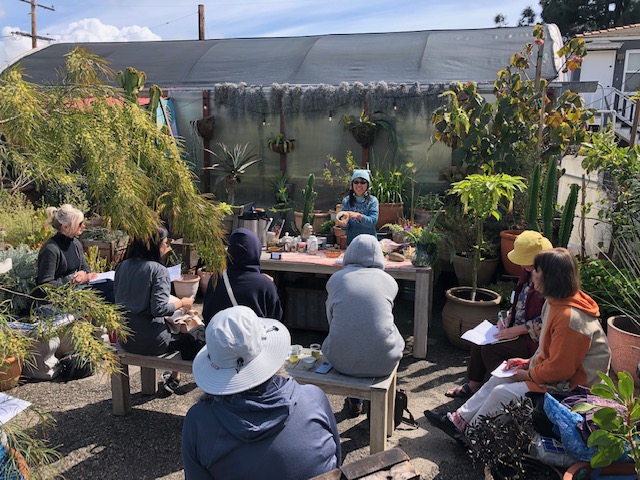
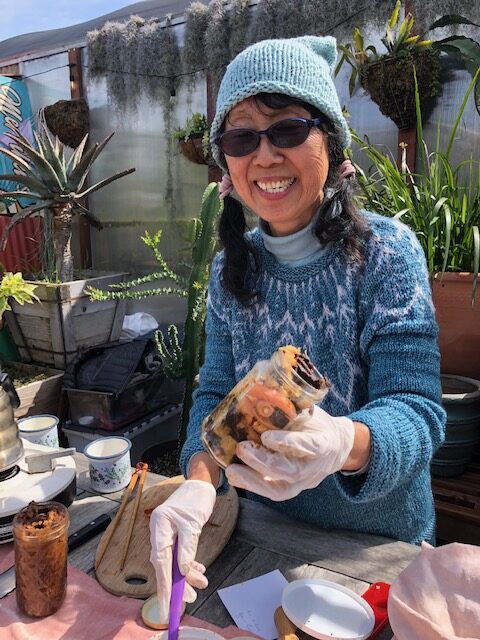
私の春の漬物と薬草茶のクラス3月5日。

春のお漬物をぜひ作ってみて下さいね!

Love, Sanae❤️

この”春は漬物作りの季節!”は「Macrobiotic Today」2023年3月15日号に寄稿したものを日本語に訳したものです。

無料で「Macrobiotic Today」Eーマガジン購読申し込みは: https://madmimi.com/signups/828f181e33dc41d0ae4d59bb5f4f2301/join

Spring is Pickles Time!  

I have learned a lot since I moved to America, and the Five Elements of Macrobiotics were one of the significant lessons that changed my life.

 I grew up in Japan, where people live seasonally.

The four seasons are commonly heard of, but traditionally people have lived by the five seasons of spring, summer, late summer, autumn, and winter, so it made sense to me.

It also reminded me of the *”seasonal hand-work” that my grandmother and mother used to do when I was little. *”seasonal hand-work” means making something with your hands each season.

I started to follow the seasonal rituals of Japanese tradition much later as I began to appreciate nature and season changes, even while living in Santa Monica in Southern California, where the five seasons are not as apparent. 

Winter is not harsh here, but I noticed the contractions and tightness of the energy of the air and my own body so I appreciated the vegetables and fruits that grow in the winter.

Seasonal hand-work in January is making apple jam and citrus marmalade (usually mandarin). However, this year I made yuzu marmalade with my husband for the first time, and it came out very delicious. ), I also made kumquat syrup for sore throats. 

February is miso-making. I make barley miso and rice miso in small amounts, and I feel the new year is here.

Then, spring suddenly emerges in Santa Monica and pushes winter out every year. 

In spring the energy rises up, and the taste of sourness supports liver and gallbladder functions by the Five Elements.

I prepare my nuka doko (brown rice bran pickles bed/base)for nuka pickles: start roasting the new brown rice bran and adding it to the old nuka doko to prepare my nuka pickles for March.

I like daikon radish nuka pickles and kabu) (Japanese turnip) before the weather gets warmer. Once the weather gets warmer, I like cucumber nuka pickles. Another one is asazuke pickles (shorter-time pickles that taste more salad-like lightly pickled pickles).

In Japan, pickles (tsukemono) have been one of the staple foods, along with rice and miso soup, for a long time.

There were almost always pickles in each meal. I was not too fond of traditional Japanese pickles when I was younger because they smelled funny and were too salty and too sour. I only ate koji pickle, which had a sweet taste.

My mother always said, “Oh, you did not touch your pickles…finish your pickles. It is good for you!” She also often said, “Don’t worry you will like pickles when you grow up.”

She never told me why pickles were good for me and how much I had to grow before I like them, and I did not bother to ask.  

When I came to America to study English, still, I didn’t like any of the American pickles, but I tried relish pickles, and I liked them because they were sweet.

When I studied Macrobiotics in 1993 for the first time, I found that pickles are essential to our meals. The processing of pickling allowed for the preservation of foods throughout history, and pickles are a staple food in various regions worldwide. Fermented pickles promote lactic acid bacteria, which help our digestion, strengthen intestines, assimilate food, and fight diseases. They provide the health benefits of fiber, vitamins, and antioxidants and increase appetite. 

I have been loving all kinds of pickles since I have “grown up” enough to understand the benefits. I have been making homemade pickles, traditional Japanese pickles: umeboshi plum (you can see my blog for the recipe https://sanaesuzuki.com/2021/05/29/santa-monica-homemade-umeboshi-plums/), nuka pickles, and nontraditional pickles called asazuke (short-time pickling), like pressed salad in Macrobiotic recipes.

I had read in Japanese historical literature that pickles started in the Nara era (710~794) as preserved food with salt. It showed that vegetables such as eggplants and melons, as well as fruits such as peaches, were pickled in salt, mainly for temple monks as side dishes.  

In the Heian era (794~ 1191), pickles were introduced as side dishes: bracken, butterbur, and melons were pickled in salt in the spring. Eggplants, persimmons, and pears were pickled in salt, miso, moromi (raw unrefined sake or soy sauce mash), and sake kasu (sake lees) in the fall. 

In the Kamakura era (1180~1336) to the Muromachi era (1336~1537), because of the development of tea ceremonies and use of monkō (incense), people began to eat pickles more and more, and they learned not only to sense the taste and aroma with their senses of taste and smell, but to enjoy the atmosphere and aroma of the place with their heart. It can be said that this is related mainly to the fact that Japanese people enjoy a delicate and subtle sense of taste and smell. Pickles have the effect of renewing the sense of taste and smell, so they were served in tea ceremonies.  

In the Edo era(1600~1868), the variety of vegetables increased, and many merchants from all over the country began to gather in Edo. As a result, different methods of making pickles were devised. Until then, foods were pickled for storage purposes, but research began to allow foods to be pickled for a short time for consumption more readily.

The emergence of nukazuke has had a major impact on household pickle-making. In times like this, when food shortages and conservation of the environment are of great concern, reusable rice bran beds are critical. 

In the Meiji era(1868~1912), farmers in the suburbs of Tokyo and other urban areas started making takuan-zuke and narazuke (variety of Japanese pickles) as side businesses. 

In the Taisho (1912~1926)and Showa (1926~1989) eras, the pickle manufacturing industry started to boom.

Over the years, there have been an amazing variety of pickles that have been made in Japan, and I am not kidding.

I heard there are currently over 1,200 pickle companies in Japan, and they make at least five~ten different kinds, so you can imagine how many pickles are made all the time besides local homemade ones, which each family has prepares with various recipes. 

Most commercial pickles use instant seasoning MSG, non-natural salt, and sugar to numb consumers’ tongues and create false flavors. Making homemade pickles using quality natural ingredients is safer for our health and improves taste. 

These are the nine pickles that are the main varieties in Japan today:

1. Salt pickles (shio zuke)

  • Simplest and most common types of pickles.

2. Rice Bran (nuka zuke) 

  • Household pickles are fermented in a mixture of roasted rice bran (the hard outer skin of the rice that is removed when polishing the rice grain), salt, kombu, and other ingredients. 

3. Sake Lees (kasu zuke) 

  • Pickles are preserved in a mixture of sake lees (the yeast mash that is left over after filtering sake), salt, sugar, and sweet cooking wine (mirin).

4. Vinegar (su zuke) 

  • Pickles brined in vinegar are known as Su zuke. Rice vinegar is commonly used as the pickling agent and lends a crunchy texture and sweet and sour flavor to the resulting pickles.

5. Miso (miso zuke)

  • Pickles are made by covering vegetables in miso, a fermented soybean paste.

6. Soy Sauce (shoyu zuke)

  • Pickles are preserved in a soy sauce base.

7. Koji pickles (koji zuke)

  • vegetables, fish, other meat, etc., are pickled in base (toko/doko), which is made by mixing koji with sugar and salt.

8. Mustard (karashi zuke)

  • Pickled in mustard mixed with sake and rice malt after being pickled in salt.

9. Lightly pickled (asa zuke)

  • Pickled with seasoning for a short time. You can easily make it using various vegetables such as napa cabbage, radishes, and cucumber.


I want to share Japanese pickles recipes that I have been making for spring. 

Nuka Pickle ((Brown Rice Bran Pickles) edited from Love, Sanae cookbook

It is my favorite pickle in spring-sour, salty, and pleasantly pungent taste with a satisfyingly crunchy texture and refreshing flavor.
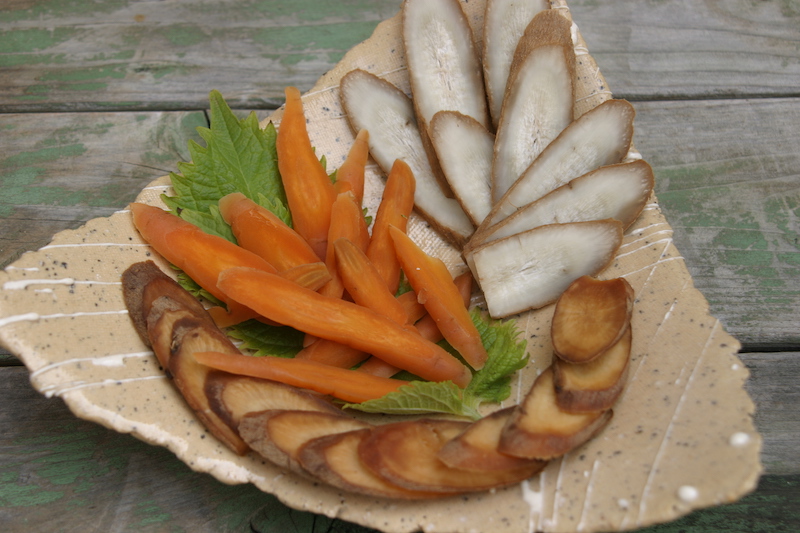
For the nuka bed:

1 pound nuka (brown rice bran)

2 cups purified water

2 to 4 tablespoons sea salt

2-inch square piece of kombu kelp (5cm)

one cup “starter” vegetables (carrots, cabbage, daikon, etc.), coarsely chopped

To make the nuka bed:

1. The first batch of nuka doko is very important in making nuka pickles. In a large skillet over medium-high flame., dry roast the bran (nuka) until the color changes slightly and the smell of bran intensifies. When evenly roasted, turn off the heat and allow it to cool.

2. In a small saucepan, boil the water. Add the sea salt and stir to combine. Add kombu, turn off the heat and let it cool.

3. Transfer cooled-off nuka to a ceramic crock, wooden barrel or enamel container. Add the kombu water mixture. Using your hands, gently combine the ingredients to form the nuka doko, or basis of the brown rice bran pickle bed.

4. Add chopped starter vegetables (dry them with a kitchen towel to take moisture out) which help to stimulate the fermentation process. Cover the crock with a clean cotton cloth and allow it to sit overnight.

5. Mix the nuka by hand once daily for the next 3 to 5 days. After this time, remove and discard the starter vegetables (I put them in the compost). The nuka doko is ready to make your delicious pickles.

6. Make sure vegetables (dry them with a kitchen towel to take moisture out) are ready to eat in a day, a couple of days to one week, depending on the kind of vegetables. Root vegetables and bigger sized vegetables take longer, and leafy vegetables and smaller sized vegetables take a shorter time.—For example, carrot- 2~3 days, red radish- 1 day, and small whole cucumber- 1 day.

7. Once you add vegetables, leave the crock in a cool dark area and mix vegetables daily. 

If you cannot mix them daily, you can leave them in the refrigerator for a few days to a week. If you have kept it too long, the vegetables get more sour and salty, so make sure you rinse them with water.

If you are going out of town for a while, keep nuka in the refrigerator without vegetables. You can usually use the nuka bed to re-start making nuka pickles by adding a new roasted nuka to the old nuka bed to refresh.


Asazuke Napa Cabbage Pickle

Popular pickle with a refreshing taste for someone who loves crispy and light vegetables.
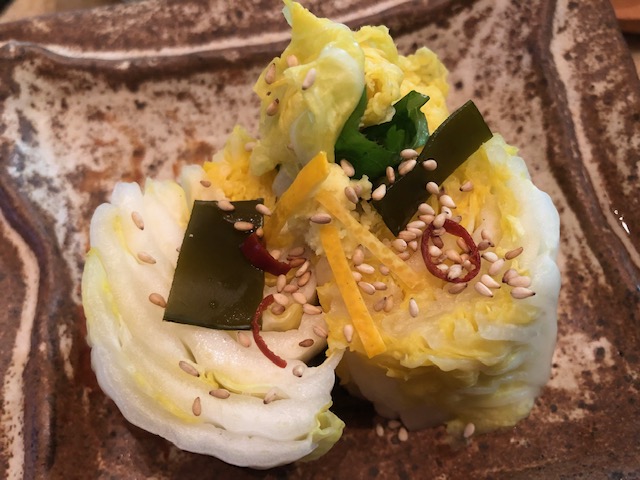
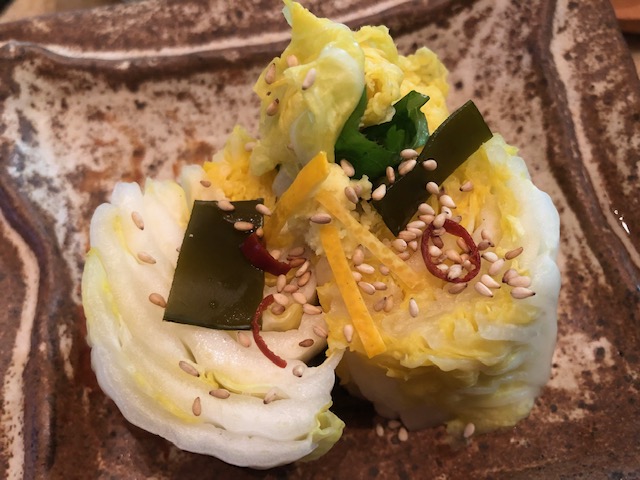
Ingredients

  • 500 g napa cabbage (about half of whole)
  • 80 g red radish (option)
  • 20 g carrots (option)

Seasonings

  • 10~20g sea salt 2~4% of the total weight of the vegetables
  • 1 sheet kombu kelp 5cmx8cm/2”x 3.2″(Approximately 0.5 to 1% of the weight of the vegetables)
  • 5 g ginger root shredded (optional)
  • 2~4 dried red chili pepper without seeds sliced into rings to taste (optional)
  • water (1/3 of the container)
  • weight – Approximately 1.5 ~ 2 x of the weight of the vegetables

1. Gather all the ingredients.

2. *Cut napa cabbage: Make an incision about 5 cm (2 “) deep from the base of the napa cabbage and tear it into two pieces. It will make them not come apart. Furthermore, insert a kitchen knife in the same way, tear it apart, and divide it into four pieces. If the nap cabbage is large, you can split it into 6 to 8 pieces.
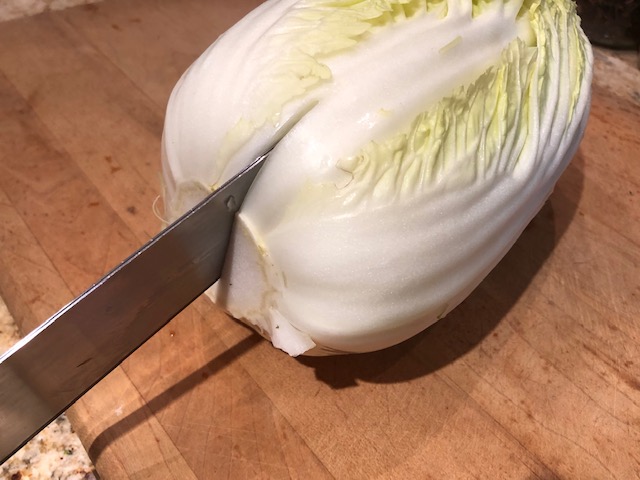
3. Add water to about 1/3 of the capacity of the pickle’s container and add salt to dissolve.

4. Arrange the cabbage in the same direction. If you need to layer the second ones, put half the salt on the first layer and sprinkle red chili pepper and kombu. Place the remaining napa cabbage in the opposite direction, place them in the second row, and sprinkle with the remaining salt. Press it firmly with your palm while applying it, which helps water rise easily.

5. Put a drop lid on it and use weight (I use big river rocks) to press. 
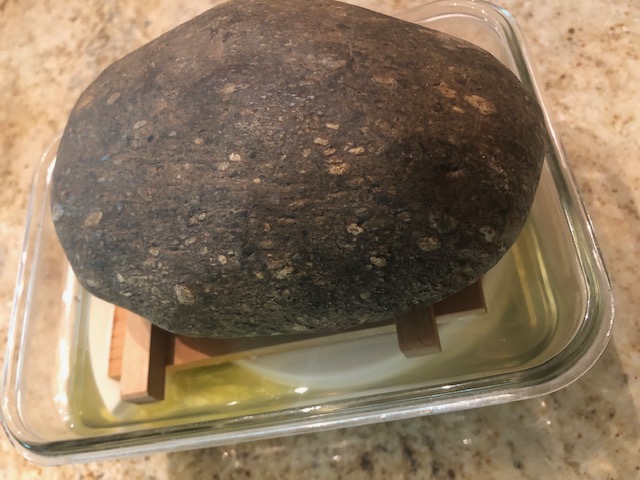
Cover with a thin cotton cloth and leave it for 12 ~ 24 hours (in colder times, leave it for 24~48 hours)

6. When you’re ready to eat, take out just the portion you’re going to eat, squeeze out the juice, rinse with water and squeeze it again.

7. Cut into bite-sized pieces before serving, and add **condiments if you like.

Note: 

  • Cut napa cabbage: if you want the cabbage to pickle faster, cut it into small pieces, but you may lose the crispiness.
  • * Condiments: If you like, add roasted sesame seeds and citrus juice, such as yuzu or lemon or zest, and grated ginger to make it even more delicious!


Soy Beans Sprout Quick Pressed Salad Style Pickle

It is not like your usual pickles – My mother made this more to my liking, crispy like a salad and less salty, so I could enjoy it as a child, and I still love it as a side dish.
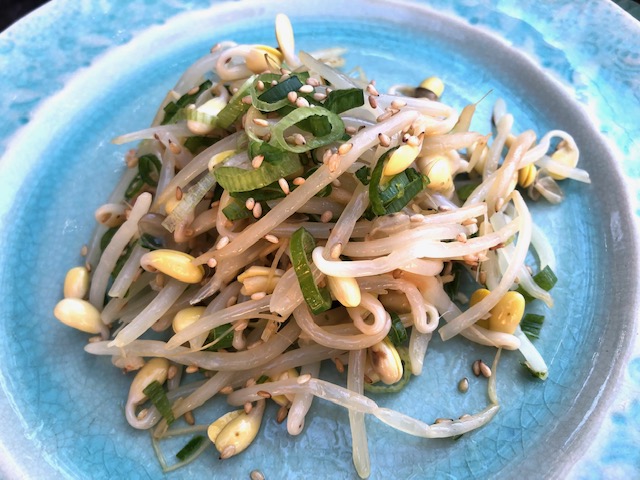
Ingredients

  • 1 pound of soybean sprouts, rinsed and drained
  • 1 teaspoon sea salt
  • 1/2 cup water
  • 1 green onion, chopped
  • 1 teaspoon roasted sesame seeds
  • 1~2 teaspoon toasted sesame oil
  • 1~2 garlic clove, minced (option for people who eat meat/fish)
  1. Place soybean sprouts in a pot. Add the salt and ½ cup of water and cover. Bring to a boil over medium-high heat for 5 minutes. Drain.
  2. Put the cooked soybean sprouts in a mixing bowl. Add green onion, sesame seeds, and toasted sesame oil and mix well by hand.
  3. Put a lightweight plate as a lid over it to press for one hour. 
  4. Transfer to a serving plate.
  5. Serve as a side dish to rice.

My pickles class on March 5th.
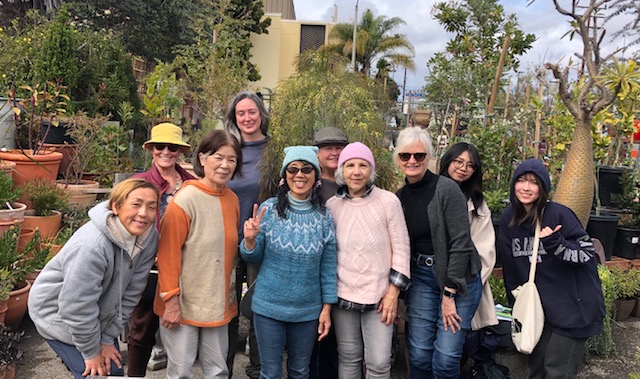
Enjoy your spring pickles!

Love, Sanae❤️

I wrote this article for “Macrobiotic Today” March 15th, 2023 Issue.

Subscribe for FREE: https://madmimi.com/signups/828f181e33dc41d0ae4d59bb5f4f2301/join

九星気学、バッチフラワー、薬草茶クラス

節分も終わり、九星気学では新しい年をスタート。
今年初めてのクラスは九星気学とバッチフラワーと冬の臓器(前回のクラスで学んだ冬の薬草の続き)で腎臓と膀胱を助ける薬草茶。

九星気学で今年2023年がご自分がどんな年になるかを見て、バッチフラワーでみなさんがこの年を精神的(気持ち的)に有意義に過ごせる助けをもらい、新年に飲まれている昆布と梅干しを緑茶とではなく腎臓と膀胱を支える薬草茶、Nettle(イラクサ)で飲みました。身体に効果を感じる味で美味しかった!

1時間半のクラスはあっと言う間に終わりました。
一番最初に、みなさんに今年からのゴール、そしてそのゴールに進んでいくのを妨げているものは何か、そのゴールに向かって自分で何を努力しているかを書いていただきました。
その後、みなさんの九星気学の番号を見て少しづつ説明しました。
クラスに参加した人は三碧木星の人が多く、二黒土星、四緑木星、七赤金星の方もいました。

今年の九星は、「四緑木星」がセンターの位置(上の写真は基本の九星気学のチャートで五黄土星がセンター)。

整わせるエネルギーの年、四緑木星は育つ繁栄する九星。繁栄するには整う必要があります。これはクラスではもっとわかりやすく”巻いた種から芽が出て、もっと育つようにするためには間引きが必要”とお話ししました。間引きはたくさん芽が出て育ってきたものを整理して本当に育てていきたいものだけにフォーカスをしていきます。それには今まで蓋をしてきたものを一掃する必要があることをも示しますので精神的にも気持ち的にも整理が必要でしょう。

クラスに参加した人たちの例で言えば、

特に三碧木星の人は今年はもっと育つ年の位置にいますので、丁寧に時間をかけて間引きが必要。

二黒土星の人は昨年種まきの位置にいたのでその種が芽を出せるようにお水を上げて太陽の光を与え、発芽できるようにしてあげる毎日を過ごす事が必要。

四緑木星の人は繁栄する(もっと育つ)九星なのですが、今年はセンターの位置にいますので、左右、上下のエネルギーが入ってきて他の人を繁栄させる年にもなりますので自分の繁栄(もっと育てる)を忘れないで進む事をお勧めします。

七赤金星の方は今年は種まきの年。新しい事を始める年です。


九星気学とは違いますが今年は干支で言うと卯(兎年)、癸卯(みずのとう)。

うさぎは平和で忍耐強いエネルギーを表しています。

うさぎは、行動する前に物事をよく考えることで知られる優しい生き物です。

このエネルギーは、挑戦や機会に落ち着いて合理的に取り組むことを奨励します。

うさぎの平和なエネルギーに加えて、水の要素は直感と内なる平和をもたらします。

水とは、私たちの内なる叡智を活用し、本能を信頼することです。

自分の感情と調和し、周囲の人々に敏感になるよう促します。

2023 年の卯年は、そのエネルギーを利用して最大限に活用する時。まず、愛する人、同僚、その他の人との強いつながりを築くことに集中しましょう。結局のところ、ウサギは調和のとれた関係を築き、維持する能力で知られています。

次に、キャリアに目を向けてみましょう。 2023 年は、専門的な開発と昇進に集中するのに最適な時期です。ネットワーキングの機会を活用し、同僚との関係を築き、新しいプロジェクトや追加の責任を引き受けることを検討してください。

もちろん、うさぎは富と繁栄を表しています。そのため、2023 年の干支占いによると、今は家計に集中し、収入の増加に取り組む絶好の機会です。株式、不動産、またはその他の種類の貯蓄計画への投資であるかどうかにかかわらず、今こそ賢明な金融行動を起こす時です。

ただし、慎重であることの重要性を思い出してください。うさぎはまた、信頼性と気楽な態度に関連付けられていますが、詐欺や詐欺の可能性について警戒することが不可欠です。信頼しますが、確認してください。

より創造的な点として、ウサギは創造性と芸術的才能にも関連しています。私たちの内なるアーティストに触れて、私たちの創造的な側面を探ってみましょう。新しい趣味を始めたり、絵を描いたり、書いたり、興味のある他の形式の芸術に挑戦したりするなど、可能性は無限大です。

最後に、うさぎは自分自身のケアにも関連しているため、セルフケアと健康的なライフスタイルの維持を優先しましょう。よく食べ、定期的に運動し、十分な睡眠をとることで、バランスを保ち、その年のポジティブなエネルギーを活用することができます。これらのヒントに従うことで、2023 年の卯年を最大限に活用し、それがもたらすポジティブなエネルギーと機会を活用することができます。

[Source:  The Chinese Zodiac]


バッチフラワー

クラスに参加した人たちの例は

転換期の人ーウォールナット

これからの先がよく見えない人ーワイルドオート

不安を感じている人ーミムラス

今まであった事に恨み心を感じている人ーウィロー

進歩の障害ーゲンチアナ

ずっと家族の面倒を見ていてプレッシャーに負けそうになっている人ーエルム

考えすぎの人ーホワイトチェストナット


みなさん1〜2週間分のバッチフラワーレメディを毎日2滴を最低4回とっていただくようお持ち帰りしていただきました。
みなさんがどのようにこのレメディで成果がでるか楽しみです。


薬草茶

ミネラル豊富なNettle(イラクサ)を選びました。


新年に緑茶と一緒に飲まれている昆布(The Seaweed Man)梅干し(私のホームメイドSanta Monica Homemade Umeboshi plums)茶を緑茶の代わりにNettle(イラクサ)で飲みました。 

Nettle(イラクサ)は腎臓と膀胱を支え、肝臓、肺にも効果がある薬草。

昆布は腎臓、膀胱、肝臓と胃に効果があります。

梅干しはアルカリ性食物で腸の働きを助け、疲労回復、デトックス、喉の痛み、、脂肪肝、コレステロール、水を浄化する作用もある。

薬草茶は自宅で簡単に作って飲んでセルフケアーできるものです。
ぜひみなさんもやってみて下さい。

Love,

Sanae❤️

バッチフラワーのオンラインクラスまたは個人コンサルテーション( individual consultations)に興味がある人、薬草茶のコンサルテーション(Medicinal Tea consultation)に興味がある人はメールでお知らせ下さい。sanaehealing@gmail.com

Nine Star Ki, Bach Flower and Medicinal Tea Class

Setsubun ((節分) is February 3, the day before the beginning of spring/the new year in the old calendar in Japan is over, and Nine Star Ki’s new year has started. (it starts the day after Setsubun).

This year’s my first class was held last weekend. 

I taught Nine Star Ki, Bach Flowers, and Medicinal Tea (support winter organs, kidneys, and bladders).

See what kind of year you will be in 2023 at Nine Star Ki, and get help to spend this year mentally (emotionally) meaningfully at Batch Flower. 

Traditionally, the Kyoko area has new year’s tea Obukucha (Kombu kelp and Umeboshi plum tea with green tea), but I chose the medicinal tea of Nettle instead of green tea with Kombucha kelp and Umeboshi plum for the class. 

The hour-and-a-half class ended in no time.

First, I asked everyone to write down their goals from this year (and three years and ten years), what is preventing them from progressing toward that goal, and what they are doing to reach it.

After that, I explained briefly by checking everyone’s Nine Star Ki number.

Many people who participated in the class were with Three Tree. Other people were Two Soil, Four Tree, and Seven Metal.

This year’s Nine Star Ki is “Four Tree” in the center (above is Nine Star Ki Basic “Five Soil” is in the center). Four Tree is growing and prosperous in Nine Star Ki. 

To thrive this year, we all need to be in shape.  What does mean “need to be in shape”?  It is not a physical shape the case.

In the class, I explained to everyone that after planting seeds of what you want to do and it sprouts, then thinning is sorting out/shaping up the things that have sprouted and grown and focusing on only the things you want to grow. 

It also means that you must clean up what you have been procrastinating or not connecting with your feelings, so you also need to mentally and emotionally organize yourself.

For example, those who attended the class, especially for people with Three Tree are in the position of growing up more this year, so they need to be thinned out.

The person with the Two Soil was in the position of sowing seeds last year, so it is necessary to water and give the sunshine so the seeds will sprout and spend every day regularly.

People with Four Tree‘s nature is growing in Nine Star Kinninth, but this year they are in the center position. They might feel the energy from the left, right, up, and down (it means from everywhere or everybody)will come in, so they might support other people’s prosperity more than themselves. Remembering to support yourself to grow more this year is important. 

Seven Metal person is the year of sowing this year. It’s the year to start new things.


It’s different from Nine Star Ki, but this year’s Chinese zodiac is Water Rabbit year.

The Rabbit represents peaceful and patient energy. The Rabbit is a gentle creature known for thinking things through before acting. This energy will encourage us to approach challenges and opportunities calmly and rationally. In addition to the Rabbit’s peaceful energy, the Water element brings intuition and inner peace. Water is all about tapping into our inner wisdom and trusting our instincts. It encourages us to be more in tune with our emotions and sensitive to those around us.

As the Year of the Rabbit 2023 has come, it’s time to tap into its energy and make the most of it. Let’s focus on building strong connections with loved ones, colleagues, and anyone else in our lives.  After all, the Rabbit is known for its ability to create and maintain harmonious relationships.

Next, let’s turn our attention to our careers. 2023 is the perfect time to focus on professional development and advancement. Take advantage of networking opportunities, build relationships with colleagues, and even consider taking on new projects or additional responsibilities.

Of course, the Rabbit represents wealth and prosperity, so according to the Chinese horoscope 2023, it’s a great time to focus on our finances and work towards increasing our income. Whether it’s investing in stocks, property, or other types of savings plans, now is the time to make smart financial moves.

But let’s remember the importance of being cautious. The Rabbit is also associated with trustfulness and an easygoing attitude, but it’s essential to be vigilant regarding potential scams or frauds. Trust, but verify.

On a more creative note, the Rabbit is also associated with creativity and artistic talents. So, let’s tap into our inner artists and explore our creative side. The possibilities are endless, whether it’s taking up a new hobby, trying your hand at painting, writing, or any other form of art that you’re interested in.

Lastly, the Rabbit is also associated with taking care of oneself, so let’s prioritize self-care and maintaining a healthy lifestyle. Eating well, exercising regularly, and getting enough sleep will help us stay balanced and take advantage of the positive energy of the year. By following these tips, we can make the most of the Year of the Rabbit 2023 and take advantage of the positive energy and opportunities it brings.

[Source:  The Chinese Zodiac]


Bach Flower Remedy.

I asked people what they were going through emotionally and mentally.

These are examples of people who attended classes that they needed for Bach Flower Remedy recommendations:

Person in transition – Walnut

People who can’t see the future – Wild Oat

Anxious people – Mimulus

Those who feel resentment for what happened – Willow

Setback –  Gentian

People who are taking care of their families all the time and are overwhelmed by responsibility – Elm

Overthinking – White Chestnut

Everyone got their remedies to take home. They will take 2 drops of Bach Flower Remedy at least 4 times a day for 1-2 weeks. I look forward to seeing how all students progress with their remedies.


For the Medicinal Tea, I chose Nettle, which is rich in minerals and suitable for the New Year.


For the New Year, Kombu kelp (I get it from The Seaweed Man)and Umeboshi plum (Check my blog: Santa Monica Homemade Umeboshi plums)with green tea is a traditional drink in the Kyoko area in Japan. 

Nettle instead of green tea, which supports the kidneys and bladder and is also beneficial for the liver and lungs.

Kelp benefits the kidneys, bladder, liver, and stomach.

Umeboshi is an alkaline food that aids intestinal function and relieves fatigue, detoxifies, sore throat, fatty liver, and cholesterol, and purifies water.

Herbal tea is easy to make at home, and you can drink it and take care of yourself.

Please give it a try.

Love,

Sanae❤️

Please email me if you are interested in Bach Flower online classes or individual consultations.

Also, if you are interested in Medicinal Tea consultation, please let me know by email.

sanaehealing@gmail.com