Looking Back at 2016

Life’s challenges come just like the waves of the ocean.
Some are big, and some are small.
2016 is almost over.
Eric and I had an opportunity to look back over the whole past year.

I wish I could write about how wonderful 2016 was, but I want to share our real life and true feelings and be honest about the many challenges we had.


The last month of the year, I usually feel sad and unable to match the outside world of cheerful faces and holiday gatherings, so I tend to stay home more, be with my dogs and cats family, and do knitting/crocheting or other hand-making projects. But two weeks ago, I was feeling run-down and unable to do what I wanted to do my daily chore.
I told Eric that I was not feeling well, and he responded, “Okay,” and then he started talking about a GoPro he was trying to get with his credit card reward points. I asked him what he meant by “Okay,” and he did not have much of an answer. We ended up having an argument that did not make any sense. We felt frustrated because we argued over nothing, and because of our argument, our cat Mai Mai got scared and started peeing all over. Tin Tin laid down in his litter box and not coming out for a few hours.


650-tin-tin


Mai Mai peed all over the house about a year ago also, when we did not know what to do with our Seed Kitchen business and we were very stressed out, so I knew this must be from stress again.
It took about a week, but I realized that I was not the only one feeling sad and tired. Eric also felt sad, tired and grieving. Eric almost never gets sick or takes sick days off from work, but he had a dry cough (which usually comes from grieving) and fever, and he had to take a day off. I was weak and had no motivation to do much. We both had bad dreams.

650-eric-with-his-remedy-dogs


What did we do?
We nurtured ourselves with respect and friendly manners—meaning no arguments.
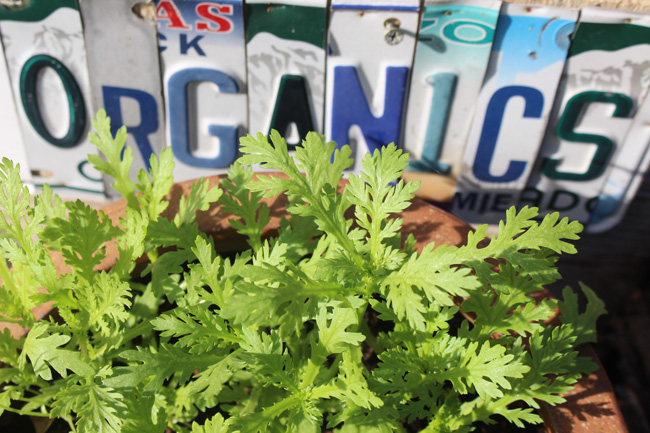
We made special remedy drinks (Lotus Root), homeopathy (Ignatia Amara for grieving), and cooked healing food, our garden wintergreen Shungiku water sauteed ; we took a warm bath with Bach Flower (Rescue Remedy and Honeysuckle) and Aromatherapy oils (Mandarin, Lavender and Clary Sage) ; we stayed in bed with a hot water bottle and slept; when we were awake, we watched good movies and cuddled; we meditated in bed and just saw our feelings as they were. We also cried and rested with our five dogs and two cats. They totally understood us and never complained. They comforted and rested with us. I think they needed this family bonding. Mai Mai stopped peeing all over.


650-mai-mai


Looking back at 2016, we realized what we lost this year was big—from my completely cracking a tooth while having a nightmare, to losing our beloved dog daughter Kula and our lifetime work Seed Kitchen. Life has struggles, no matter what; it is up to us to live as though this is a beautiful struggle or a miserable struggle.

Today, we decided that our life is a beautiful struggle, and we appreciate what we still have—I still have 31 teeth out of 32—so I am ready to move forward to 2017.


Whatever you are going through, I hope you are able to look at the bright side.
If you are not able to do so, take a rest and please nurture yourself like I am doing for myself now; that is the best remedy you can give yourself.


Thank you for your support and being our friends and family.


Wishing you a healthy and happy New Year 2017!


Love, Sanae💖
New Year Recipe: Omedetou

In the macrobiotic world, azuki bean congee has a special name: omedetou.

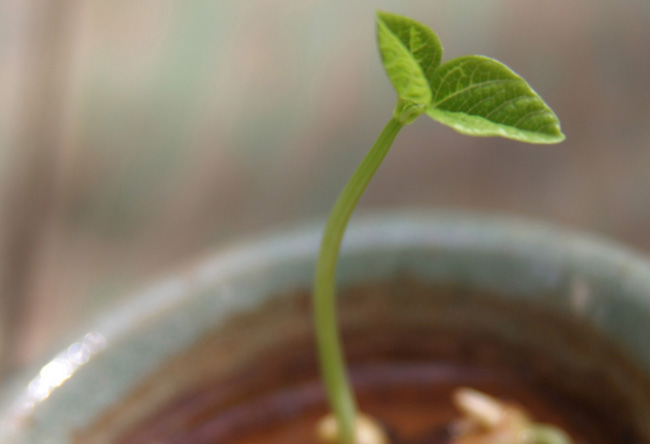
(Azuki beans are strengthing beans and the sprout is beautiful as the front photo.)

The word means “congratulations” and is used especially in the New Year and for happy occasions like having a baby, passing a big exam, etc. George Ohsawa (founder of the macrobiotic philosophy) named azuki bean congee omedetou for when you get well from illness. Eating this porridge in the New Year will help you have a positive mind.


650-%e3%81%8a%e3%82%81%e3%81%a6%e3%82%99%e3%81%a8%e3%81%86-br

photo: Omedetou in my cat rice bowl


Makes 4 servings


1 cup brown rice

½ cup azuki beans

5–10 cups purified water

1″ square kombu sea vegetables昆布 (2cmx2cm)1枚

Roasted sesame seeds


Pressure Cooker Method:

  1. Wash the rice gently, about three times. Roast till golden brown. Wash the azuki beans and remove pebbles, etc.
  2. Place the rice and beans in the pressure cooker. Add the water and kombu, cover, and heat over a medium-high flame.
  3. When the pressure is up, turn the flame to simmer and cook for 60 minutes.
  4. Remove from the flame and wait till the pressure is down.
  5. Serve with roasted sesame seeds.


Non-Pressure Method:

  1. Wash the rice gently, about three times. Roast till golden brown. Wash the azuki beans and remove pebbles, etc.
  2. Place the rice and beans in a stainless or ceramic pot, add water, and heat over a medium-high flame.
  3. When it starts to boil, add the kombu, cover, turn the flame to simmer, and cook for 2 hours.
  4. Remove from the flame, and wait till the pressure is down.
  5. Serve with roasted sesame seeds.


Enjoy your omedetou and chew well!

Love,

Sanae💖

Bancha Twig Tea (Kukicha)

I love tea.
Yes, I am Japanese.
I’ve also been told that I was English in a previous life so that naturally gives me the title of “Tea Lover.”


Since I was about 7 years old, one of my favorite things was taking a tea break with my mother’s housekeeper, Mrs. Kato. We usually had bancha (harvested from the same tree as sencha grade, but it is plucked later than sencha, giving it a lower market grade). It is considered to be the lowest grade of green tea. There are 22 grades of bancha. Its flavor is unique; it has a stronger organic straw smell than sencha (a type of Japanese ryokucha/green tea prepared by infusing the processed whole tea leaves in hot water). Mrs. Kato said sencha was too strong for a child, and usually, it is for guests. I tried some, but I did not like it because it tasted bitter.

I started to learn Japanese tea ceremony when I was 17 years old. I used macha, a finely ground powder of specially grown and processed green tea. It was very creamy, and its aromatic taste matched the Japanese tea ceremony sweets. Macha is for special times, but it is high in caffeine. I am not able to drink it most of the time since I am sensitive to caffeine now, so my favorite tea became non-caffeinated herbal tea, like rosehip tea and bancha twig tea (kukicha).

Kukicha is very low in caffeine. Most of the caffeine is in the leaves, which are not used, and the rest is reduced by the aging process. Kukicha is called “three-year bancha” in Japan, because after the stems, stalks and twigs of the tea are picked, they are dried in the sun and aged for three years before roasting. I usually do not feel any caffeine effects, and it is safe for children to drink.

Kukicha has a unique flavor and aroma among teas, due to its aging process and becoming more alkaline. And the benefits of kukicha are numerous. It is an important part of the macrobiotic diet and is thought to lead to stable health and longevity.

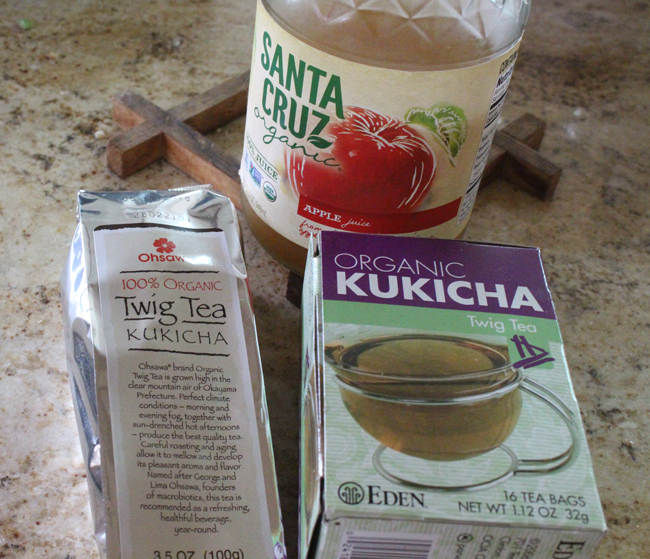
It also good to add apple juice when you want to have a little sweet taste when your body gets too tight and need to relax. I usually add a half purified water and a half apple juice and heat up. You can add a slice of apple too.

650-apple-juice-kukicha-mix

I use Eden’s Tea Bag for when I am traveling or going out for lunch/dinner. It still give a good taste of Kukicha.


Benefits of Kukicha Tea

Most of the benefits of kukicha tea stem from its alkalizing properties. Prevention of numerous diseases is achieved through alkalization of bodily fluids and tissues and consequent balanced levels of acidity. A diet containing white flour, sugars, dairy products, eggs and meat raises the body’s acidity and eventually results in fatigue, premature aging, weakened immune system, heart, kidney or bladder conditions, and problems with weight, joints and bones. A body containing too much acid draws minerals from bones and other organs and stores fat.
Twig tea (kukicha) is abundant with minerals like copper, selenium, manganese, calcium, zinc and fluoride, as well as A, C and B-complex vitamins and flavonoids. Like green tea, it contains polyphenolic catechins, which are famous for their anti-cancer action. The most powerful of these substances is epigallocatechin, which prevents cancer by discouraging the growth of tumors and stopping it from spreading within cells. Kukicha is also known to promote digestion. Moreover, it has a high content of tannin, which helps clean the body from toxins. Tannin can even free the body from nicotine and radioactivity, which is why it is recommended for people who take many medications.

Similarly to green tea, kukicha regulates the levels of blood sugar, and by lowering high blood pressure, it prevents strokes and heart disease. Being an immunity booster, it helps combat virus-induced colds and flu. Kukicha can also promote weight loss, slow down the aging process, and prevent ulcers. When brewing twig tea, it is important to use hot water, but not boiling. Once boiled water has cooled, the tea is steeped for three minutes at the most. It can also be served cold, with the addition of apple juice, and enjoyed throughout the day—even by children.

Many health benefits may be gained from drinking kukicha, including:

  • Contains six times more calcium than cows’ milk, helping to build bone density
  • Contains 2.5 times more vitamin C than oranges
  • Reduces high blood pressure
  • Helps with digestion
  • Combats fatigue
  • Benefits people suffering from bladder infection and heart diseases
  • Reduces the risk of certain types of cancer
  • Fluoride helps reduce plaque and bacterial infection
  • Helps lower cholesterol levels
  • Low in caffeine
  • Burns fat

Source

How to Make Twig Tea (Kukicha)

2–3 cups purified water (depending on how strong you want to make the tea)

1 tablespoon twig tea (kukicha)

Place the water in a teakettle, and bring to a boil. Place the twigs directly in the pot or in a tea ball. Reduce the flame to low, and simmer 3–5 minutes. If adding the tea directly to the pot, strain through a tea strainer when serving.


650-umeboshi-kukicha

Umeboshi Plum With Twig Tea (Kukicha) Remedy

https://sanaesuzuki.com/2016/11/30/california-organic-umeboshi-plums-and-recipe/


Winter Baking Class: Plant-Based, Vegan, Macrobiotic Desserts

I love desserts, so when I became a plant-based, vegan, macrobiotic person to heal myself, the hardest thing was not eating desserts that had refined sugar, butter, cream and eggs. It is my weakest link, but my husband Eric rescued me—and can rescue all of you if you have this weakness like I do. He makes plant-based, vegan, macrobiotic desserts so tasty and healthy you won’t believe it.


blueberry-scone-650-copy-cr

I had to beg him to do a winter baking class, so we are offering it on Sunday, December 11th, at Studio Mgen in Santa Monica. I hope you’ll join us and taste the real plant-based, vegan, macrobiotic desserts that you can enjoy without guilt.

I hope you’ll join us and taste the real delicious plant-based, vegan, macrobiotic desserts that you can enjoy without guilt.


savory-scone-650-copy

Sunday, December 11, 2016

12–3pm

$100

Studio Mugen, Santa Monica

Learn how to bake delicious, healthy, macrobiotic desserts with chef Eric Lechasseur and Sanae Suzuki, so for the rest of the holidays, you do not have to eat sugary, unhealthy desserts. Please email sanaehealing@gmail.com or seedkitchen@gmail.com to save your spot.

SAMPLE MENU:

  1. Two Kinds Scone 1) fruits/azuki 2) savory
  2. Two kinds of baked Donut 1) maple-glazed 2) strawberry-kuzu-glazed
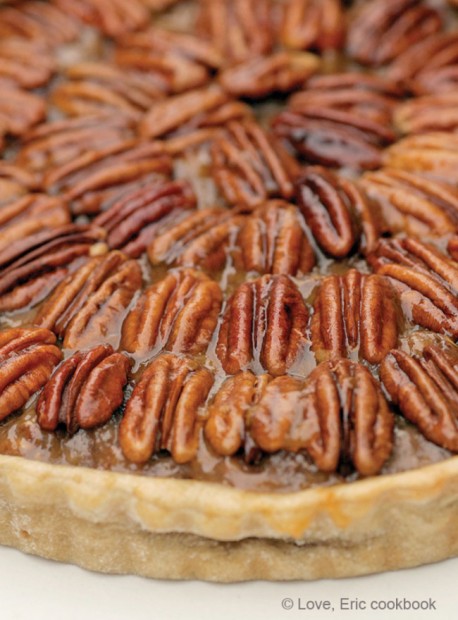
  3. Amazake Pecan Pie
  4. Grain Café Au Lait

If you can’t come to the class,  you can purchase Eric’s stunning plant-based vegan and macrobiotic desserts cookbook, “Love, Eric Revisedand learn how to make healthy delicious desserts at your home.

650-donuts


I am so excited because I usually can’t find any good quality delicious plant-based, vegan macrobiotic baking desserts anywhere.

I get to help the class and able to eat them!

amazake-pecan-pie-650

Love,

Sanae

Bach Flower for Holidays’ Stress

Ohhhh, the end of the season of holidays is here again.

I may look like a fun person who loves to socialize, but I actually am not so good with holidays and lots of people, so the end of the year can be very stressful for me.
I have been helping myself using Bach Flower Remedy since 1993 after I was diagnosed ovarian cancer. Bach Flower Remedy have been helping my stress, PTSD, addiction and other mental/emotional issues.

Depending on each person’s mental/mind and emotional conditions remedy changes, but generally, I recommend below three Bach Flower remedies for the holiday season . This remedy also helps furry animals (dogs, cats, other animals and plants).

Rescue Remedy – helps overall stress.

White Chestnut – helps deal with repeated, unwanted thoughts, mental arguments, concentration, sleeplessness, and insomnia.

Walnut – helps for protection from outside influences and energies.

650-bf-holidays-mixed

The key is mixing all three remedies together in a Bach Flower Mixing bottle (2oz) with purified water.

Mixing directions:

Add 4 drops of Rescue Remedy, 2 drops each of White Chestnut and Walnut.

Bach Flower helped me so much for my recovery so I really wanted to learn more about Bach Flower and I decided to study in 1995 and became a Bach Flower Center’s registered practitioner in 2001. I have been offering Bach Flower Remedy consultation in a person or by phone/Skype/Facetime.
If you are interested, contact me at Sanaehealing@gmail.com.

Miracle of Maple Tree Recover!

I planted three maple trees by the side of our North Fork mountain cabin front gate in 2005.

North Fork is a beautiful mountain forest, but most of them are evergreen pine trees, so I wanted my husband to feel his home of Quebec and my home country of Japan to see the leaves change color to red.

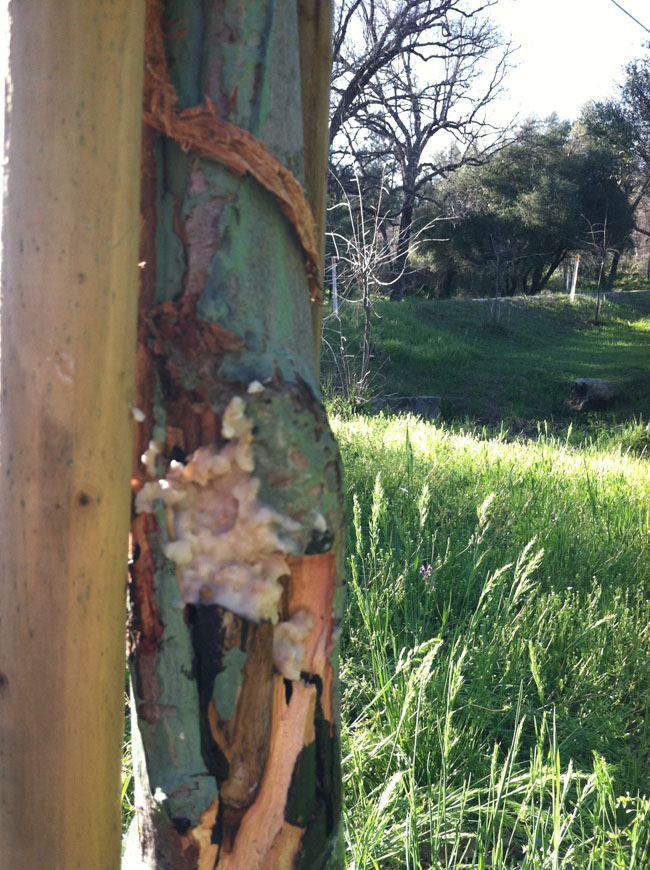
One of them got severely injured almost four years ago (March 2013) by a car backing up the tree and breaking the main trunk. 

Nobody thought this tree (she) would make it, but I thought I could help her.

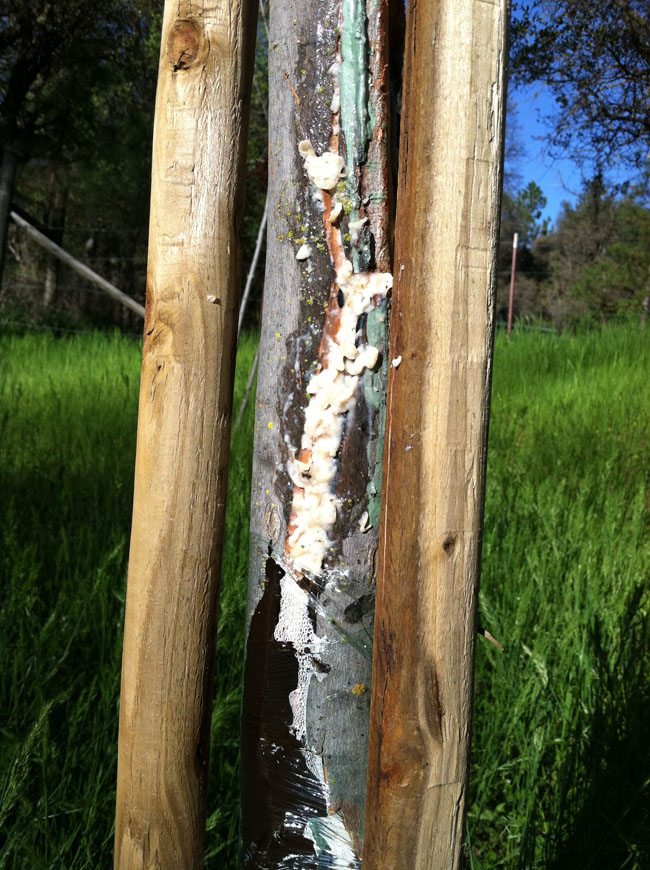
650-maple-tree-broken

Photo: Wounded maple tree trunk with a little remedy glue that I made. Sorry for the out-of-focus.

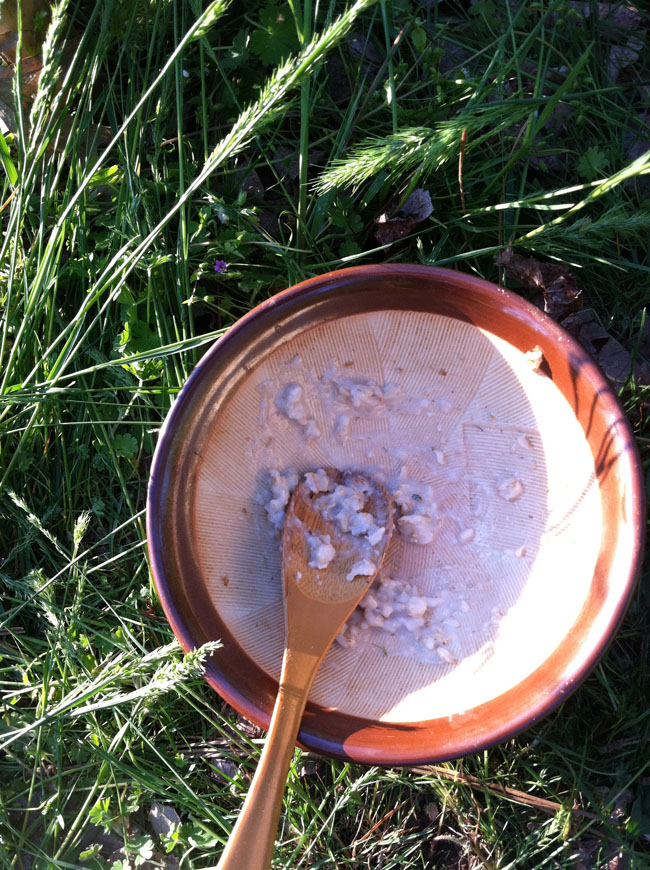
I made a special remedy glue with soft-cooked brown rice and barley to mend her. 

This idea came from an old traditional story of “Shitakiri Suzume” (translated literally into “Tongue-Cut Sparrow“, is one of Japanese fairy tale – a kind old man, his mean wife and an injured sparrow story. One day, when sparrow ate glue (made with rice) , the wife got upset and cut tongue of sparrow…

Most people could not believe the glue that I made with grains would help this maple tree recover, but I knew she would; miracles can happen and guess what?….she came back!

650-maple-tree-mending

Photo: The maple tree with remedy glue of soft-cooked brown rice and barley that I made for her.

650-wholegrains-glue-in-suribachi

Photo: Special remedy glue was made in my suribachi (earthenware mortar).

Because of drought, many trees did not survive the last few years, and two other maple trees I planted did not make it either — but the one I helped to mend survived! Can you believe?
She started to show beautiful autumn colors from the following year even more beautiful than before.

Many of our North Fork friends told us how beautiful she became, but she showed the red leaves before Thanksgiving week so we didn’t see her color because we usually visited North Fork on Thanksgiving week after labor day weekend.

I finally saw her beautiful autumn color when I went back to Vipassana 10 days meditation in North Fork two years ago (2014) before Thanksgiving week.

She was so beautiful and made me feel so happy.

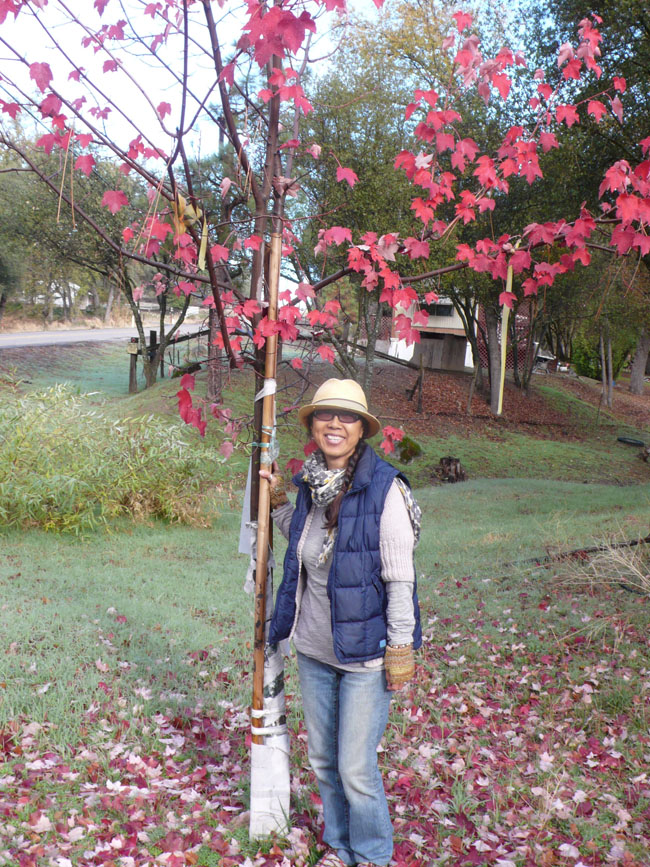
I took the photo below with her to show Eric.

650-maple-tree-with-sanae

Photo:The maple tree was getting better to show red leaves in 2014.

This year, our friend of Noth Fork told us how beautiful the maple tree showing her red leave’s color again so I talked to her  before Thanksgiving week and asked her if she could keep the red leaves for us to see, especially for Eric since he never saw her with red leaves.  She said she will do her best and she kept her promise for us so Eric and I were able to see these beautiful leaves for the first time on Thanksgiving weekend together.

I feel the tree is thanking us by showing her beautiful color every year because I helped her to come back. I named her “Thank you (Arigatou) Maple Tree”.

Everything is a miracle when you believe it and not give up before the miracle happens.

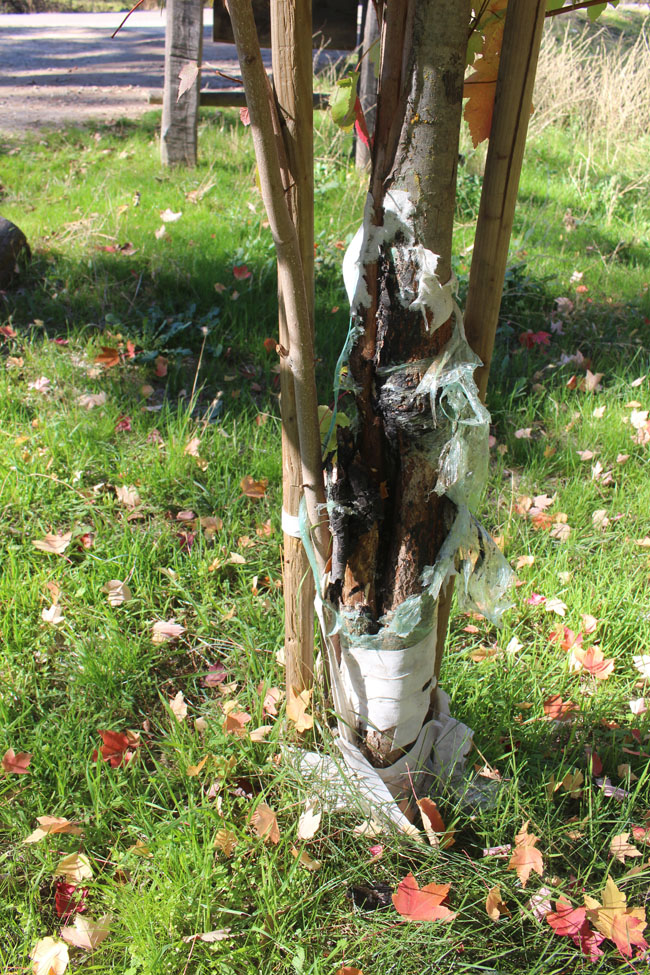
I took the bandage out for her and express my gratitude to “Thank you (Arigatou), Maple tree”.

650-maple-tree-wound-2016

Photo: The maple tree’s wound is all healed so we took the bandage out this year 2016.

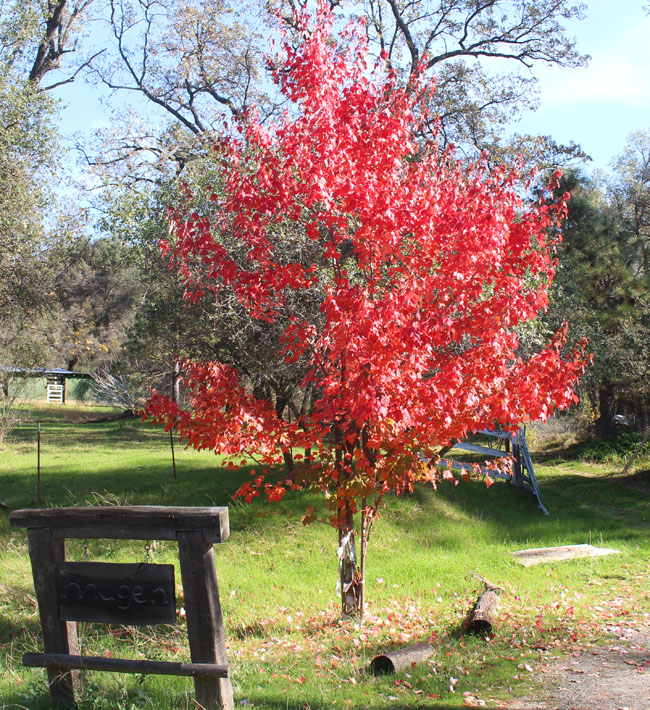
650-maple-with-mugen-sign

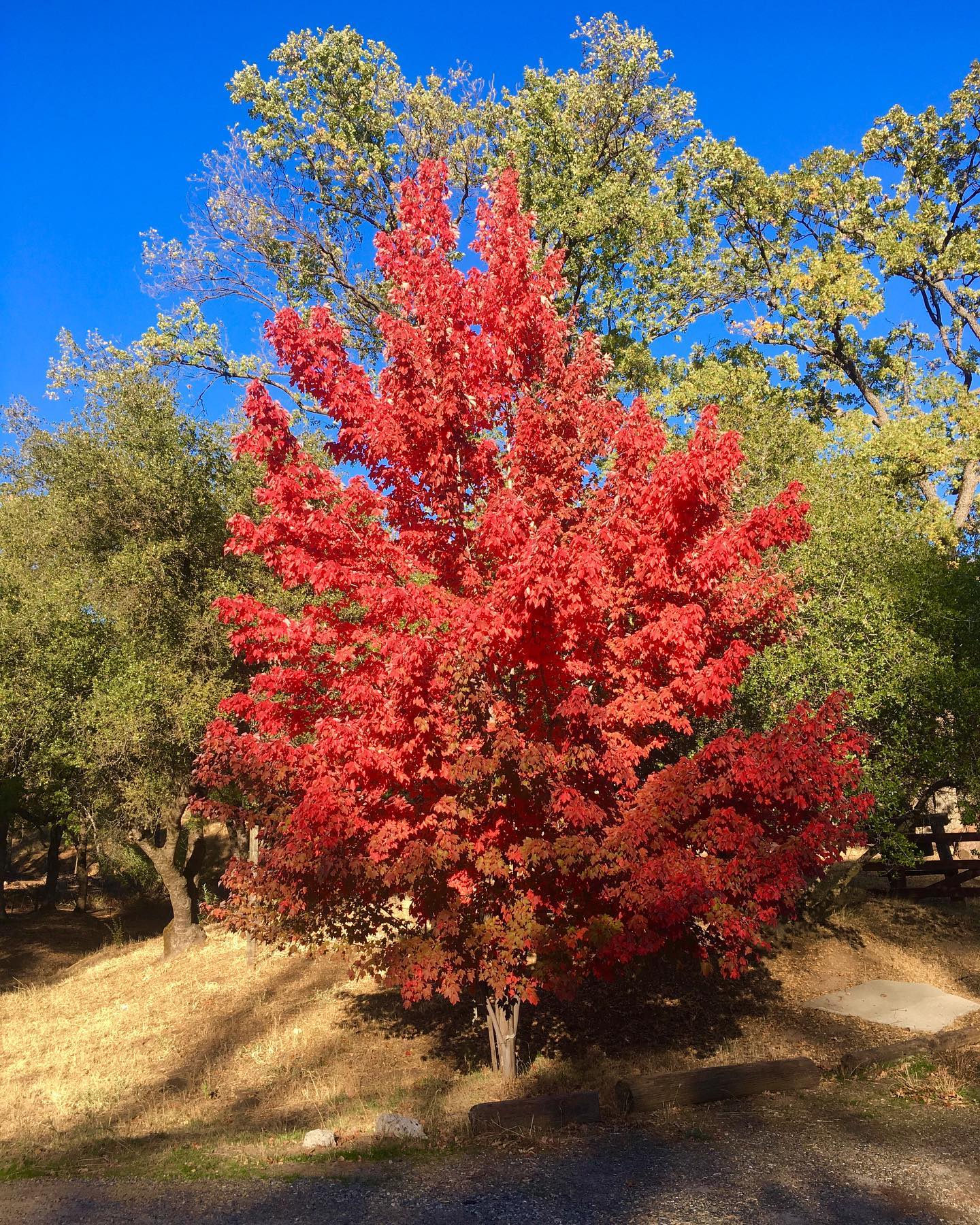
Photo: The maple tree is showing most beautiful leaves this year in 2016.

This is 2016 photo of miracle arigatou (thank you) maple photo.

with my love,

Sanae 💖