健やかであることが、いちばんの誕生日の贈り物

19歳でアメリカに来た頃と、
私の心はそれほど変わっていない。
 
今も変わらず好奇心があり、
自分のペースで生きている。
 
変わったのは、静けさ。
心の奥にある、深い落ち着き。
 
時間とともに、気持ちがやわらかくなり、
一日一日をゆっくり味わい、
自分自身も周りの人も、ありのまま受け入れられるようになった。
 
言い換えれば、
だいたいは自由な心で生きている。
 
71歳の誕生日、
何か特別なことをしたい気持ちはなかった。
 
ただ、少しシンプルなことを、
気ままに楽しみたかった。
 
前もって予定を立てなかった。
それは自分にとってはあまりないことだったけれど、
心地よかった。
 
前の夜、
ふと感じたのは、
 
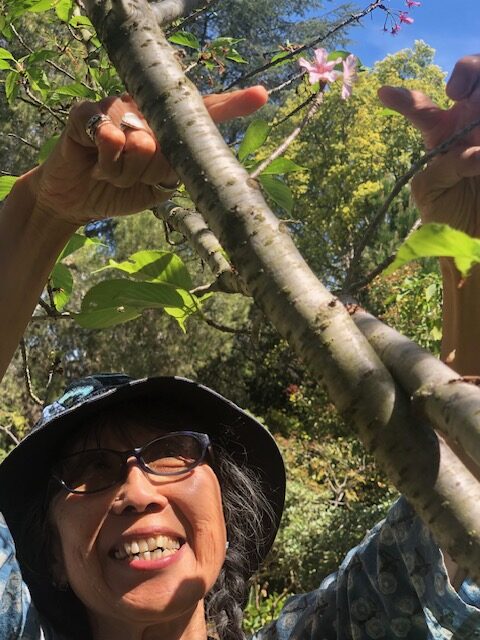
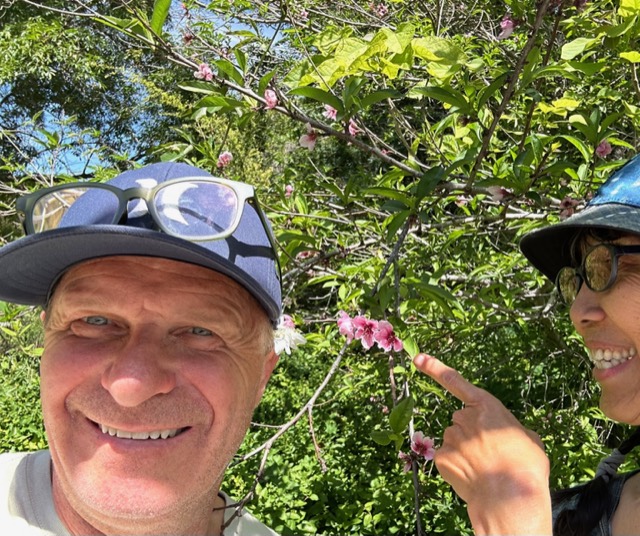
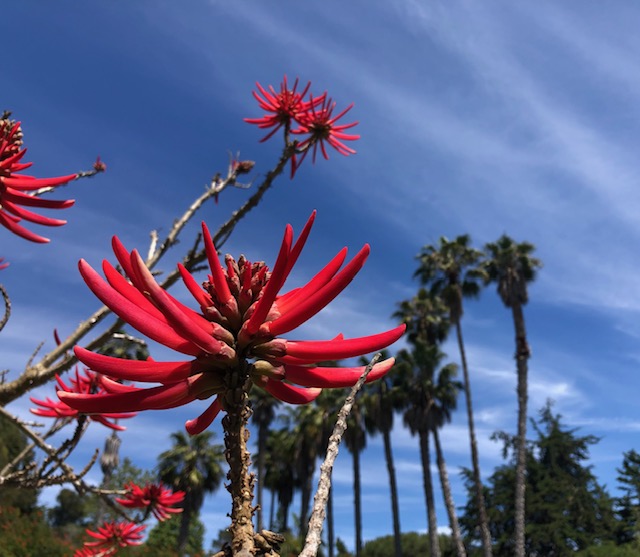
「桜が見たい」
 
もちろん、ここは日本ではない。
それでもエリックに言ってみた。
 
彼は少し驚いたように、
「桜?どこで?ここは日本じゃないよ」と言った。
 
心の中で、少し微笑んだ。
説明する必要はなかったので、
 
「朝になったらわかるよ」
それだけ伝えた。
 
そして朝が来た。
 
いつものように早く目が覚め、
一つ歳を重ねたことを、静かに嬉しく思った。
 
感覚に導かれるままに桜を探し、
確実さではなく、可能性で場所を選んだ。
 
サウスコースト・ボタニックガーデンには、
わずかに残った桜があった。
 
やわらかく、儚く、
ほとんど散りかけていた。
それでも、それで十分だった。


ゆっくりと歩きながら、
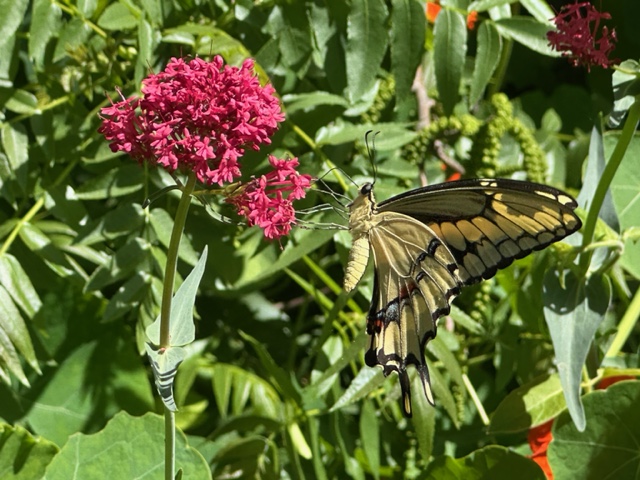
ハーブや花の香りに包まれ、
木々や空気のやさしい生命に囲まれて過ごした。
 
 
その夜、
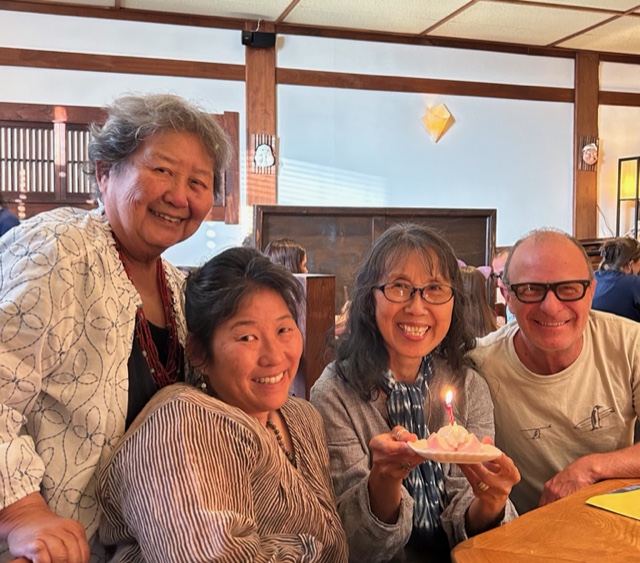
友人と彼女のお母さまからの誘いを受けた。
お気に入りのレストランでの、ささやかな時間。
笑いがあり、
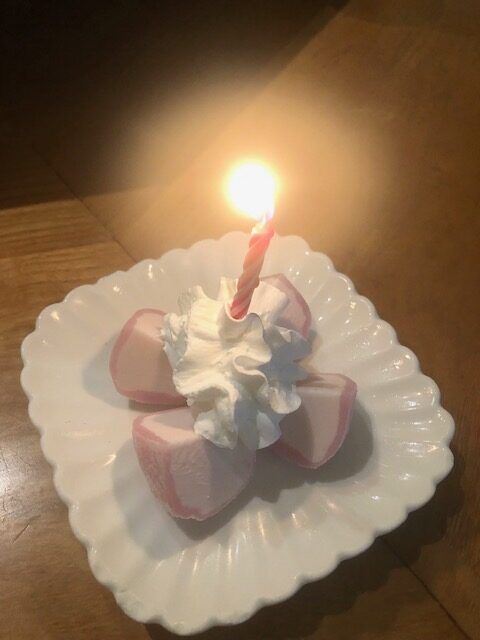
バースデーキャンドルともちアイスケーキが用意されていて、
一瞬、子どもに戻ったようだった。


翌朝、
サンタバーバラのドッグビーチへ向かった。
愛犬ナル、カイ、ラニ、マカニ、
そしてお友達の犬、モカと一緒に。
海辺を歩きながら、
波の呼吸を聴く。
 
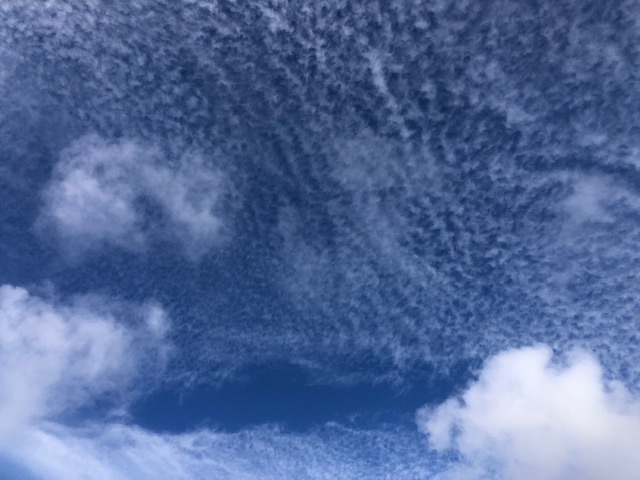
空には大きく広がる雲。
ペリカンや鳥たちが、自由に飛んでいる。
海水が足に触れる。
冷たくて、生きている感触。
エリックがカイと一緒に海を泳いでいるのを眺めた。



そのとき思った。
これが、私の大好きな生き方のひとつ。
 
帰り道、オーハイに立ち寄った。
お気に入りの文房具店「Noted」で、
小さな宝物を見つける。
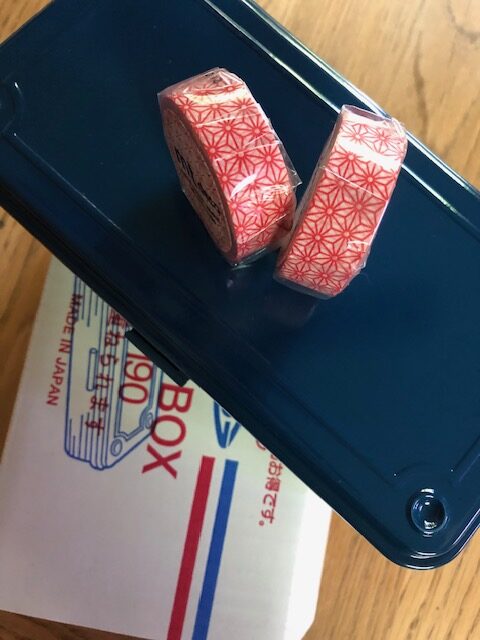
和紙のテープ、
刺し子の道具を入れられる旅用の小さな道具箱。


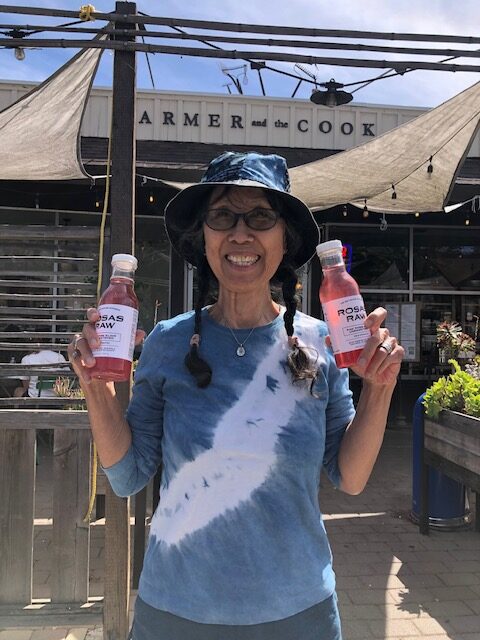
Farmer and Cookでは、
マクロビオティックのクッキーと
ローズエリクサーを選んだ。
静かな甘さを持ち帰る。
 
 
週末のあいだ、
さまざまな形で愛が届いた。
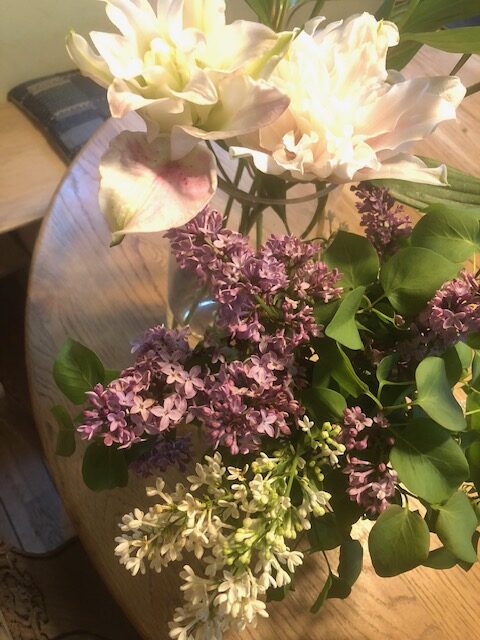
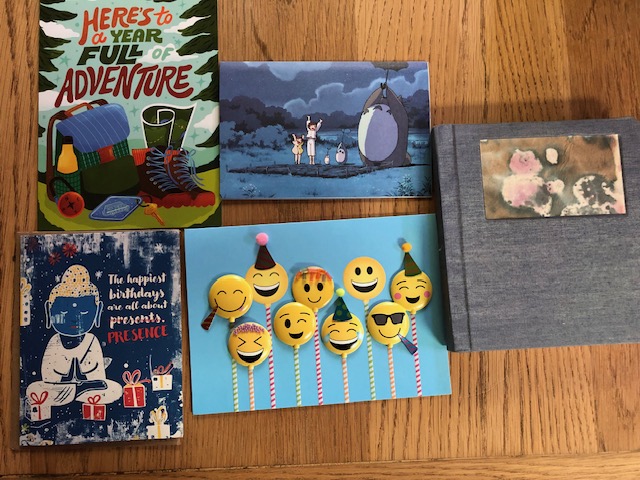
花、カード、小さな贈り物。
遠くからの声、
近くからのメッセージ。


包まれている感覚。
ありがたさが満ちる。
 
シンプルで、
それで十分だった。
 
今年、私にとって、
本当に大切な時間。
いちばん必要だった誕生日。

 
4週間前、
私の身体は別の物語の中にあった。
 
なかなか治らない風邪。
 
エリックはすぐに回復したけれど、
私はそうではなかった。
 
よくなったと思っては、
またぶり返してしまった。
ワークショップの後、散歩の後、気功のクラスの後。
 
そのたびに、
身体は「まだだよ」と教えてくる。
 
症状は重くはなかった。
少し喉の痛みと鼻水、
毎日続くわずかな熱と、静かなだるさ。
 
その弱さの中で、
別の声が浮かぶ。
 
「またなのだろうか」
 
過去の二つの癌は、
こんなふうに始まった。
 
静かに、気づかれにくく。
 
だから、耳を傾ける。
 
恐れではなく、
気づきとして。
 
この思いは、
同じ道を歩いた人にしかわからないもの。
 
押しのけることはしない。
ただ認める。
 
そして選ぶ。
 
忍耐と、信頼を。
 
できることをし、
自分を丁寧にケアする。
 
日本でよく聞いた言葉がある。
「風邪は万病のもと」
 
だからこそ、養う。
 
陰と陽のバランスを感じながら、
より深く体の声を聴く。
 
エリックの風邪は陽性。
夜に強く出る咳のエネルギー。
 
すりおろしリンゴとそのジュース、
そして蓮根茶で整っていった。
 
私のものは陰性。
朝の頭痛、喉の違和感、寒気、食欲の低下。
 
同じ方法では癒せなかった。
 
ねぎ味噌湯、
強めの梅しょう葛、
小豆と味噌、
鉄火ふりかけ。
 
少しずつ、
本当に少しずつ、
身体は戻ってきた。

今日、
4週間ぶりにアクアヨガへ行った。
 
水の中で、
体を動かす。
 
やさしく、そして全身で。
 
明日はきっと筋肉痛。
でもそれは、喜びの痛み。
 
生きている痛み。
 
学んできたこと、
実践できること、
そしてまた元気に戻れることに、感謝。
 
健やかであること。
この静かで確かな感覚こそが、
 
何よりの贈り物。
 
どんなものよりも、はるかに価値がある。
 
そして、そこにある愛。
 
隣を歩いてくれる夫。
パートナーであり、親友。
 
思い出してくれる人たち。
気にかけてくれる人たち。

お誕生日おめでとう、さなえ。
 
自分を讃える。
忍耐と、信頼、
そしてまた癒えていく力を。
 
愛を込めて
Sanae❤️


Good Health Is the Best Birthday Gift

My mind is not so different from when I came to America at 19—
still curious, still moving at my own pace.
 
What has changed is the quiet.
A deeper calm lives in me now.
With time, I have softened.
I enjoy each day more fully,
and I accept myself—and others—just as we are.
 
Perhaps I can say
I live with a free spirit, most of the time.
 
On my 71st birthday,
I felt no desire to do much at all.
Only a few simple things, gently chosen.
 
I didn’t plan ahead,
which is unusual for me—
and yet, I felt completely at ease.
 
The night before,
a feeling came to me:
“I want to see cherry blossoms.”
 
Of course, I am not in Japan.
Still, I asked Eric.
 
He looked at me, surprised—
“What cherry blossoms? Where? We are not in Japan.”
 
I smiled inside.
There was no need to explain.
 
“We’ll see in the morning,” I said.
 
And morning came.
 
I woke early, as I usually do,
feeling quietly happy to be one year older.
I searched, followed a feeling, and chose a place—
not for certainty, but for possibility.
 
At the South Coast Botanical Garden,
only a few blossoms remained—
soft, fragile, almost gone.
 
And still, they were enough.


We walked slowly,
held by the scent of herbs and flowers,
surrounded by the gentle life of trees and air.
 
 
That evening,
I said yes to an invitation—
a simple dinner with a friend and her mother.
 
There was laughter,
and a mochi ice cream cake with a candle.
 
For a moment,
I was a child again.


The next morning,
we went to the dog beach in Santa Barbara—
with our beloved dog family, Nalu, Kai, Lani, Makani,
and our guest dog, Mocha.
 
We walked along the shore,
listening to the ocean breathe.


Clouds stretched wide across the sky.
Pelicans and birds moved freely above us.
 
The water touched my feet,
cool and alive.
 
I watched Eric and Kai swimming in the ocean.


And I thought—
this is one of my favorite ways to be alive.
 
On the way home,
we stopped in Ojai.
 
At my favorite stationery shop, “Noted,”
I found small treasures—
Japanese washi tape,
and a simple toolbox I can use for my sashiko while traveling.


At Farmer and Cook,
I chose macrobiotic cookies
and a rose elixir drink—
a quiet sweetness to carry with me.


Over the weekend,
love arrived in many forms—
flowers, cards, small gifts,
voices across distance,
messages from near and far.


I felt held.
I felt loved.
I felt grateful.
It was simple.
And it was enough.
It was, truly,
the birthday I needed.

 
Four weeks before,
my body told a different story.
 
A cold that stayed—
longer than expected.
 
Eric recovered quickly—
but I did not.
 
Each time I thought I was better,
I returned too soon—
to teaching, to walking, to qigong—
and the cold returned to me.
 
Again and again,
I had to stop.
 
My symptoms were mild—
a little cough and a runny nose,
a slight fever each day, and a quiet weakness.
 
And yet, in that weakness,
another voice appeared:
 
“Is it coming back?”
 
Both of my past cancers
began this way—
softly, quietly.
 
So I listened.
 
Not with fear,
but with awareness.
 
This kind of thought
belongs to those who have walked that path.
 
I do not push it away.
I acknowledge it.
 
And then—
I choose patience.
I choose trust.
 
I do what I can,
and I care for myself.
 
I remember a saying from Japan:
“The common cold is the root of all illness.”
 
So I nourish myself.
 
Through the lens of Yin and Yang,
I listen more deeply.
 
Eric’s cold was Yang—
strong, active, with coughing at night—
easing with grated apple and its juice,
and fresh lotus root tea.
 
Mine was different—
more Yin, more quiet—
a sore throat, a morning chill, a headache,
a body asking for warmth, with little appetite.
 
When one path did not help,
I changed direction.
Miso scallion tea.
Strong ume-sho-kuzu.
Azuki beans with miso.
Tekka condiment.
 
Slowly—
very slowly—
my body returned.

Today,
for the first time in four weeks,
I entered the water for Aqua Yoga.
 
I moved—
gently, fully.
 
Tomorrow, my body may ache—
but it will be a joyful ache.
 
A living ache.
 
I am grateful—
for what I have learned,
for what I can practice,
for the ability to return to myself.
 
Good health—
this quiet, steady presence—
is the greatest gift of all.
 
More valuable than anything we can count.
 
And alongside it,
love.
 
A husband who walks beside me,
as my partner and my best friend.
 
Friends who remember,
who reach out,
who care.

Happy Birthday to me, Sanae.
 
I honor myself—
my patience,
my trust,
my quiet strength
to heal again.
 
With love,
Sanae❤️

手放すケア ー 執着しないということ – その1 副作用

私のマクロビオティックカウンセリングの仕事は、卵巣がんになって、食だけではないマクロビオティックを実践し自分自身を癒したことから始まった。
 
クシ・インスティテュートでレベル1〜3を修了後、インテンシブなカウンセリングプログラムを学んだ。
Erewhon Natural Foodsで働き、毎週水曜日の料理デモンストレーションや毎月のお料理クラスの開催、スタッフのための昼食作り(マクロビオティックの食事がどのように体や心を支えるのかを体験してもらうため)、そして日々お客様の健康相談応対。
振り返ると、どうやってこなしていたのか不思議に思うけど、いつも自分なりに精一杯取り組んでた自分を思い出せて嬉しい。


これまで、多くの方にアドバイス、カウンセリングをしたり、学んできたことを分かち合ってこれたのは感謝の気持ちでいっぱい。

クライアントだけでなく、友人や近所の方、生徒さんからも健康について相談を今も受けることがよくあって学んでる。
これまでどれくらいの方にお伝えしてきたのかは分かりませんし、その中でどれだけの方が実践されたのかも分かりませんが少しでもお役に立てているといいなと願ってます。


最近も身近な人たちからいくつか相談を受けました。
その方たちに具体的なアドバイスを書いている中で、同じことを何度も個別にお伝えするよりも、このブログに記しておくことで、必要な方に届けばいいのではないかと思いこのブログを書くことを決心。
 
ここでいう「手放すケア」とは、相手に良いと思うことをお伝えしながらも、その後どう受け取るかは相手に委ねる、という在り方。私はその事に執着しないで明け渡すという気持ちが含まれてるんです。
 
これは、**「執着しないケア」**として、受け取る準備ができている方へ向けて届くように書いてます。
 

抗がん剤後のむくみと便秘について

これらは、抗がん剤や薬の影響としてよく見られる症状です。
足のむくみは、腎臓に負担がかかっているサインであることがあります。
便秘は、消化器系の働きが弱っている状態です。

おすすめ

これらのお茶は、腎臓をサポートし、便通を整える助けになります。
 
飲み方:
  • 朝食前に1杯
  • 午後、食間に1杯
便秘がひどい場合は、ハブ茶(決明子)も役立つことがあります。
 
むくみには:
  • 足湯
  • 塩を入れた入浴
  • やさしいマッサージ

抗がん剤後の体力低下について

体を立て直し、エネルギーを補うために

きんぴらスープ(根菜のスープ)

(週2〜3回)
 
材料と作り方:
  1. ごぼう、人参、れんこんを同量用意し、すべて細かいみじん切りにします。
  2. 鍋の底にごま油を薄くひき、中火〜やや強火で熱します。油が温まったら、ごぼうを入れ、ひとつまみの自然塩を加えて2〜3分炒めます。
  3. その上にれんこん、人参を重ねて入れます。全体がかぶるくらいの浄水を加えます。
  4. 沸騰したら火を弱め、ふたをして30〜40分ほど、野菜がやわらかくなるまでじっくり煮ます。
  5. 白味噌(甘め)と三年味噌(または濃い味噌)を半々に混ぜ、少量の煮汁で溶きます。
  6. 味を見ながら、少しずつ味噌を加えて整えます(塩辛くなりすぎないように注意してください)。

鯉こく(鯉の丸ごとスープ)

材料と下準備:
 
・新鮮な鯉 1尾(できれば魚屋で胆のうと甲状腺を取り除いてもらう。他の部分(頭、骨、ヒレ、ウロコなど)はそのまま使用)

※卵(卵巣)がある場合は取り除く

作り方:
  1. 鯉を頭・骨・ヒレ・ウロコごと、5〜7cm程度のぶつ切りにします(目は取り除いても構いません)。
  2. ごぼうを細いささがき、または細切りにし、鯉と同量程度用意します。鍋で軽く炒めます(油を使っても、水炒めでも可)。
  3. 出がらしの番茶の茎(約1カップ)を布やガーゼに包み、大きめのティーバッグのようにして、ごぼうの上にのせます。その上に鯉を重ねます。
  4. 材料がかぶるくらいの水分を加えます(番茶1/3+水2/3が目安)。
  5. 強火で沸騰させた後、弱火にしてふたをし、
     ・通常の鍋の場合:2時間以上
     ・圧力鍋の場合:1〜1時間半以上
     じっくり煮込みます。
  6. ほぼ火が通ったらふたを開け、味噌を水で溶いて加え、味を整えます。必要に応じて水を足します。
  7. 仕上げに、おろし生姜のしぼり汁(大さじ1)を加え、さらに弱火で5分ほど煮ます。

 
食べ方:
 
・煮汁ごといただきます
・小口切りのねぎを添えてもよいです

 
目安:
 
・1日小さめのお椀1杯を、3日間続けていただきます
・残りは冷蔵または冷凍保存し、食べる前に10〜15分温め直します


代用について:
 
・鯉やごぼうが手に入らない場合:
 → 白身魚(トラウトなど)や人参で代用可能
 ※ただし効果はやや穏やかになります


ポイント:
・番茶の茎は一度使ったものの方が苦味が出にくくおすすめです
 

薬と副作用について

これは別の方から、いくつかの薬の副作用について質問を受けました。
血圧、コレステロール、甲状腺のお薬など、それぞれに副作用の可能性があります。
一般的ではないと言われる症状でも、個人によって現れることがあります。
 
大切なのは:
  • 自分の体の感覚に気づくこと
  • 疑問を持つこと
  • 自分で知ろうとすること

少し広い視点から

これまで多くの方を見てきて感じるのは、体の不調の背景には

  • 忙しすぎる生活
  • 刺激の強い食べ物や飲み物
  • 気づかないうちのストレス
があることが多いということです。
本来、今の時期は少しペースを落とす必要があるのかもしれませんが、多くの方が無理を続けているように感じます。
 

食事の提案

  • 野菜を中心に、食物繊維を増やす
  • 消化しやすいタンパク質(豆類など)を取り入れる
  • 調理が難しい場合は、オーガニックの調理済み豆も活用する

https://store.edenfoods.com/search.php?search_query=beans

  • リラックスを促す野菜
    (白菜、青梗菜、かぼちゃ)
  • ハーブティー
    (レモンバーム、ネトル、ヨモギなど)

そして:

  • 休むこと
  • ゆるやかな運動
  • マッサージや鍼
  • 昼寝も大切です

私自身の経験

抗がん剤治療後、骨密度のための薬を服用しましたが、副作用を感じました。
一般的ではないと言われましたが、変更をお願いし、別の薬でも同様に副作用を感じました。
現在は服用をやめ、様子を見ています。
これまでにも薬に対して強く反応した経験があり、体の反応には個人差があることを実感しています。
 

また、母の様子を見ていても、薬が増えるにつれて不調が増えていくことがありましたが、それが副作用だと気づいていないこともありました。


最後に

薬が必要な場合もあります。
 
ただし、
  • どの薬にも副作用があること
  • 数が増えるほど影響も複雑になること
は知っておく必要があります。
自分の体の声を聞くことが、とても大切です。


必要な方に届きますように。
 
「聞く」だけでなく、「受け取る」準備ができている方へ。
 
心を込めて、
Sanae❤️

Caring Guidance Without Attachment — Part 1 Side Effects

My macrobiotic counseling work began after I was diagnosed with ovarian cancer and healed myself through macrobiotic practice—which is not just about food, but a way of living.

After completing Levels 1–3, I continued my studies in an intensive counseling program at the Kushi Institute.

I later worked at Erewhon Natural Foods, where I offered weekly cooking demonstrations, taught classes, prepared staff meals, so they could experience what macrobiotic food tastes like—and how it can support their health and mood. I also spoke daily with customers seeking health guidance.

Looking back, I am not sure how I did it—but I always did my best.


Over the years, I have become very used to offering guidance and sharing what I have learned. Through my work, not only clients but also friends, neighbors, and students have often asked me for health advice.

I do not know how many people I have supported, and I do not know how many truly practiced what I shared.


Recently, a few people close to me asked for help.

As I was writing detailed recommendations, I realized that instead of offering the same guidance repeatedly in private, I could share it here—so that those who are ready may benefit.

This is caring guidance, without attachment, from me to anyone who needs and wants to practice a macrobiotic life as I do.
 

Leg Swelling and Constipation After Chemotherapy

These are common side effects of chemotherapy and medication.

Leg swelling may indicate that the kidneys are under strain. Constipation reflects stress on the digestive system.

Recommendations

These teas may support kidney function and help ease constipation.

Drink:

  • 1 cup before breakfast
  • 1 cup in the afternoon between meals

If constipation becomes severe, cassia seed tea (Habu tea) may be helpful.

For swollen legs:

  • Foot baths
  • Baths with sea salt
  • Gentle massage and body care

Weakness After Chemotherapy — Rebuilding Strength

Kimpira Root Vegetable Soup (2–3 times per week)

1. Chop very fine equal amounts of burdock root, carrot, and lotus root.

2. Lightly brush the bottom of a pan with sesame oil and heat over medium-high heat. When the oil is hot, sauté the burdock for 2 to 3 minutes, adding a pinch of sea salt.

3. Layer the lotus root and carrots on top of the burdock. Cover all vegetables with purified water, bring to a boil, lower the flame, cover, and simmer for a long time (30~40 minutes) until vegetables are very soft.

4. Mix sweet white miso and dark 3-year-old barely miso in a half-and-half ratio, and dilute in some of the soup broth.

5. Slowly add enough miso mix to achieve a good taste for you (not too salty, please).


Koikoku (Whole Carp Soup)

A whole carp (as fresh as possible – ask the fish market to remove the bitter gallbladder and thyroid and leave the rest of the fish intact, with all scales, bones, head, and fins. If you must remove them yourself, place the carp on a fish cutting board to remove the thyroid and gallbladder. If the carp has roe, it must also be removed.

1. Chop the fish into large 2-to 3 –inch slices, including the head, scales, fins, and bones. The eyes may be removed if desired. Set these aside.

2. Wash and chop burdock into very thin slices or matchsticks. The amount of burdock is the same volume as that of carp. Sauté the burdock in oil for a few minutes, or water-sauté if needed.

3. Tie used bancha twigs or stems (about 1 cup) in cotton cheesecloth to make a tea bag as big as a tennis ball. Layer the tea bag on top of the burdock and place the chopped fish on top. The tea twigs will help soften the bones while cooking.

4. Add enough liquid to cover all ingredients. Use approximately 1/3 bancha tea and 2/3 spring water. Cover with a heavy lid or pressure cooker lid. Bring to a boil over high heat. Reduce the heat. If boiling, simmer for 2 hours or longer; if using a pressure cooker, simmer for 1 to 11/2 hours or longer.

5. While cooking, the burdock and carp neutralize each other, and the bones of the fish become very soft. When almost cooked, bring down the pressure, if necessary, and remove the lid. Add miso dissolved in water to season to taste, as you would for regular MISO SOUP.

6. Add 1 tablespoonful of juice from freshly grated ginger and mix well. Cover and simmer for another 5 minutes on a low flame. When seasoning with miso, you may need to add some water if the soup is too thick.

7. Serve with the cooking liquid. Garnish with chopped scallions and serve hot.

* Have a small bowl of this preparation every day for 3 days. Save leftovers in the refrigerator or freezer for future use, then reheat for 10 to 15 minutes before eating.

* If a carp and burdock are unavailable, trout or other white-meat fish may be substituted for carp, and carrot for burdock. Cook for 1 to 11/2 hours. But the effectiveness of this preparation is less.

* It is better to use twigs (Kukicha) that have already been used, since fresh twigs (Kukicha) can impart a bitter taste to the dish.


On Medication and Side Effects

A different friend asked about possible side effects of several medications.

Examples include:

  • Amlodipine (blood pressure)
  • Atorvastatin (cholesterol)
  • Levothyroxine (thyroid support)

Each of these medications may have side effects, including digestive discomfort, muscle pain, or changes in mood and energy.

Even when something is considered “not common,” individuals may still experience it.

It is important to:

  • Pay attention to your own body
  • Ask questions
  • Stay informed

A Broader Perspective

Over time, I have observed that many health conditions are influenced by:

  • Busy lifestyles
  • Excess stimulants (food and drink)
  • Ongoing mental and emotional stress

We may be in a stage of life where the body is asking us to slow down—yet many continue to push forward.


General Food Suggestions

  • Increase fiber-rich vegetables
  • Include easily digestible protein such as beans
  • Use prepared organic beans if needed (for convenience)

https://store.edenfoods.com/search.php?search_query=beans

  • Eat calming vegetables such as:
    • Napa cabbage
    • Bok choy
    • Kabocha squash
  • Consider gentle herbal teas:
    • Lemon balm
    • Nettle
    • Mugwort

And also:

  • Rest
  • Gentle movement
  • Massage or acupuncture
  • Even a short nap

My Personal Experience

After chemotherapy, I was prescribed medication for bone density.

I experienced side effects, although they were described as “not common.” After requesting a change, I tried another medication and again experienced side effects.

At this time, I have stopped medication and am observing how my body responds.

Previously, I also experienced strong reactions to medications during chemotherapy.

These experiences remind me that each body responds differently.


I have also seen this with my mother, who gradually began taking multiple medications. Over time, she experienced many symptoms without realizing they were side effects.


A Final Thought

Medication may be necessary in some situations.

However, it is important to remain aware that:

  • All medications have potential side effects
  • The more that are taken, the more complex the effects may become

Listening to your body is essential.


I share this for those who are ready to receive—not only to ask.

I hope this may support you in your own way.

With care,
Sanae❤️

Making St. John’s Wort Flower Oil for Pain and Ache

2025 has been an unexpectedly active year for me as I have been teaching sashiko workshops, caring for my oldest dog Lumi, and helping to heal for a long-time client who lost her husband last year.


My seasonal handwork included completing 20 pounds of Miso making in March, as well as 25 pounds of fresh Ume plum work in May (Umeboshi plums, Ume plum enzyme syrup, Umeshu -plum wine, and Loquat Tincture) in June.

I did not make time to write about them for my blog post, but summer is here.


I foraged several medicinal plants/herbs over the last two months, every month, when visiting our vacation house in North Fork, California. One of my favorites in summer forging is St. John’s Wort flowers!

They do not resemble any special flowers, so you probably missed them.

I like to use them to make infused oil or tincture, etc.


The hypericin (a substance found in St. John’s wort, credited with chemical and pharmacological properties similar to those of antidepressants) gives oil or tincture a reddish color, which is so beautiful.


They have so many benefits.

  • Skin Care:
    • Wound Healing: St. John’s wort oil is traditionally used to promote the healing of minor burns, bruises, wounds, and other skin irritations. 
    • Anti-inflammatory Properties: It may help reduce inflammation and soothe irritated skin, making it beneficial for conditions such as psoriasis. 
    • Antioxidant Support: The oil contains antioxidants, including hyperforin and hypericin, which can help protect the skin and maintain its natural radiance. 
    • Hydration: It can help hydrate dry and cracked skin, improving overall suppleness. 
  • Mood and Mental Wellbeing:
    • Mild Antidepressant Effects: When used topically, St. John’s wort oil may help uplift mood and promote a sense of calm and well-being. 
    • Stress and Anxiety Relief: It may help reduce tension, stress, and anxiety. 
  • Pain Relief:
    • Muscle Comfort: The oil can be used in massage to relieve muscle soreness and discomfort. 
    • Nerve Pain: It has been traditionally used for nerve pain, including neuralgia and sciatica. 


I was making today for pain and ache relief oil. I injured my legs and feet when I had a near-death car crash in 2001. I was told I would never walk. It took a long, long time, but I am walking because I never gave up making an effort. One of my daily efforts is massaging my legs, feet, toes, and hands. Yes, 365 days for over 20 years. St. John’s Wort is one of the medicinal oils I use for massage.


I usually use them fresh, but I dried them this year, and they are now ready to be mixed with oil.

They say fresh can make more potent oil, but I don’t mind creating a dried one as well since I have experienced the benefits even with dried St. John’s oil.

.

It is very easy to make, so I hope you try them.


  1. Put St. John’s Wort flowers about 3/4 of the way up your glass container. St. John’s Wort has almost no scent, so if you like lavender flowers, adding them will add fragrance.
  2. Add oil, such as olive, sunflower, or rice bran (I use organic, unrefined sweet almond oil), to the top to cover the herbs.
  3. Infuse the oil:
  • Sun Infusion: Place the sealed jar in a warm, sunny location for 2-4 weeks, or longer, which is a traditional method. It helps extract beneficial compounds, such as hypericin and gives the oil a reddish color.
  • Warm Infusion (optional): Some methods suggest using a low-temperature crockpot or warm oven if sunlight isn’t preferred, although some sources believe sunlight is essential for extracting specific compounds.
  • Shake or stir the jar daily, especially in the first week, to ensure even Infusion. 

4. Strain the oil: After the infusion period, strain the oil through a cheesecloth, muslin cloth, or fine-mesh sieve into a clean bottle. Let the oil settle for a day or two and then carefully pour off the clear oil, leaving behind any residue. 

5. Storage: Store the finished oil in a cool, dark place, ideally in a dark glass bottle to protect it from light. Refrigeration can help extend its shelf life. When stored properly, the oil can last for at least 6 to 9 months, and potentially up to a year or two. 


Important considerations

  • St. John’s Wort can interact with certain medications and increase sensitivity to sunlight. Always consult with a healthcare professional before using St. John’s Wort, especially if you are taking medications or have health conditions. This information is for educational purposes only and not a substitute for professional medical advice. 

Happy Summer Seasonal Hand Work!


Love,

Sanae ❤️

Japanese Loquat Leaves and Pine Needles Tincture-Making Workshop

My mother made loquat tinctures for the last 20 years of her life.

As long as I remember, my mother had a weak immune system from a young age and was not able to get up in the morning to make breakfast. She could not gain weight for many years and sleep well.

My mother was in pain all over her body and took a lot of prescription drugs, so she may have always been looking for what she could do to improve her health.

My mother tried many recommendations from her friends, neighbors, and local news sources, but nothing helped her.​

For example, eating prunes, drinking noni juice, eating more meat and only chicken to gain weight, buying expensive electric blankets, worshiping a group of people and buying white china from them for a lot of money. The group told her that worshiping it would improve her health.

I had already been practicing macrobiotics and knew that it would not improve her health, but since I lived far away overseas, I always listened to her with love. When I returned to Japan, I cooked a hearty macrobiotic meal for her. As I did this, my mother’s health started to improve, so I found someone to cook macrobiotic meals for her several times a week, and my mother’s mindset became more positive and she stopped trying so many different things.

One day, my mother called me to tell me that her pain was relieved and she was able to sleep better thanks to the loquat leaf moxibustion and loquat leaf tincture (extract).

Shortly after that, my mother received some loquat leaves from a friend and started making her own loquat leaf tincture.

She got loquat leaves from her friends and made loquat tincture herself.

To make a tincture, she had to separate the leaves from blanches, clean each, cut them, and put them in a glass bottle with shochu.

It was lots of work, but she was determined to make it. She was tired but enjoyed the aroma of loquat leaves and looked vibrant in the photo she sent me.

Viblant my mother after she started to make Loquat tincture and using it.

She even planted a loquat tree in her yard. She told me if there is a loquat tree in America I need to plant it, too.

Fortunately, there was a large loquat tree next door to the house I moved into around that time (where I still live today), and I received a loquat seedling from there, which I planted in my garden 30 years ago.

My mother many bottles of Loquat tinctures and sent me her loquat tincture many times, and I have used it all for me, my husband, animal family, friends, and clients.

I started to make my own when my loquat tree got big enough.


Making tincture is a gift my mother gave me; I want to share the gift that my mother gave me with as many people as possible. Now I make many other different tinctures.

After I decided to offer this workshop, I remembered that when I was about 3 years old, my grandmother took me to the mountains of Mie to forage wild mushrooms and medicinal plants. My grandmother was a healer. I finally understand why I am so drawn to the power of nature and healing work.

The life I genuinely dedicate is to honoring and healing the great force of nature with my body, soul, and spirit and helping others and their animal families heal as well.

I am grateful to JACCC Emi Osaki for giving me an opportunity to teach the Japanese Tincture Making Workshop. 


Here is the detail of the workshop:

Join JACCC and Sustainable Little Tokyo for an immersive, hands-on workshop where you’ll explore the art of crafting botanical tinctures using Japanese loquat leaves and aromatic pine needles. Experience their unique scents, learn how to safely apply them to your skin, and create your personalized tinctures to take home. Along the way, you’ll gain insight into these plants’ numerous benefits and traditional uses while also mastering techniques that will empower you to make tinctures with herbs from your garden.

When: Sun, Oct 27, 2024, 10:30 am –  12:00 pm

Where: Toshizo Watanabe Culinary Cultural Center

244 S. San Pedro Street, Los Angeles, CA 90012

Price: Free with RSVP (donations encouraged)

Japanese Botanical Tincture-Making Workshop