
Highlights of 2025
As 2025 comes to a close, I look back on a year that began with wildfires in Los Angeles and unfolded with many challenges.
There were moments of deep uncertainty. During that time, I wrote a blog post titled “Sharing My Feelings After the Wildfires…”, trying to give words to what I was experiencing.
Uncertainty brings fear, and it often reveals a darker side within us.
After Christmas, we were invited to a small jazz gathering at the North Fork Library. A 19-year-old singer and trumpeter named Elba performed a Nina Simone song.
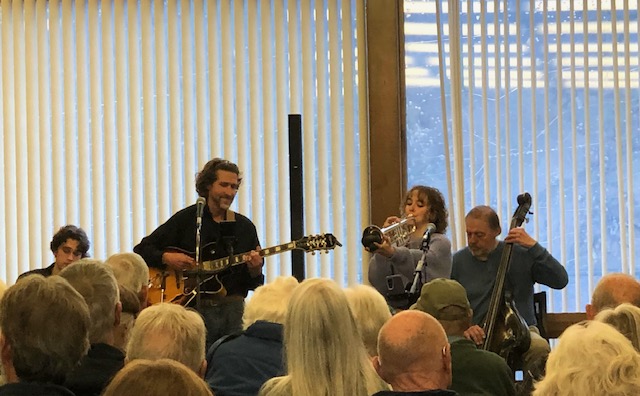
One part of the lyrics stayed with me:
“So forget your foolish pride, life is too short for sorrow.
You may be here today and gone tomorrow.
You might as well get what you want,
I have been writing about my feelings and experiences on my blog for over 10 years. This feels like a moment to pause and reflect.
Yes, I will continue to write as I always have.
I am here now, but I may be gone tomorrow. That is simply the truth. While I am here, I will write it like it is.
Around the world, many things have happened, and many are still happening. Some are deeply painful—wars, gun violence (especially in America), natural disasters, and so much more.
Because of that, I try to focus my life on what I can do to move forward.
When I face difficult situations, I often need to stop and reset myself—sometimes picking up where I left off, and other times starting over completely. I use whatever ability I have at that moment and do what I can.
Here are the highlights of my year, in the order they came to my mind.
Staying healthy
For me, health is the most important foundation for living. I do my best to take care of myself. I have survived two cancers—ovarian cancer and lymphoma—as well as physical and emotional disabilities from a near-fatal car accident. Through all of this, I have learned a great deal about how to care for “Sanae.”
Physical health is important, but for me, mental and emotional health are essential. It took a long time to understand this and to turn that understanding into daily practice.
When I feel foggy or stuck in a low emotional place, I am not happy. At those times, I need to communicate with myself about what is happening inside. When necessary, I also share how I am feeling with Eric, so he can understand what is going on with me. This helps keep my thoughts from drifting too far into dark places.
I try to communicate with friends as well, but it is not always easy. Many people are not practiced in expressing their feelings, so sometimes I end up saying very little.
Meaningful communication is not only about speaking emotions directly. It can also be expressed through letters, cards, gifts, and by setting healthy boundaries.
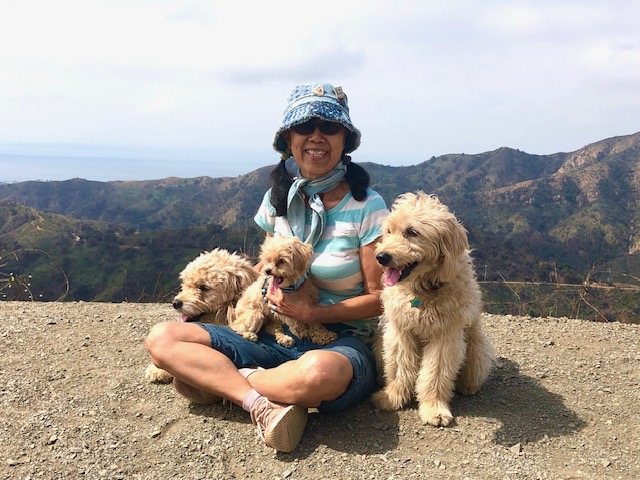
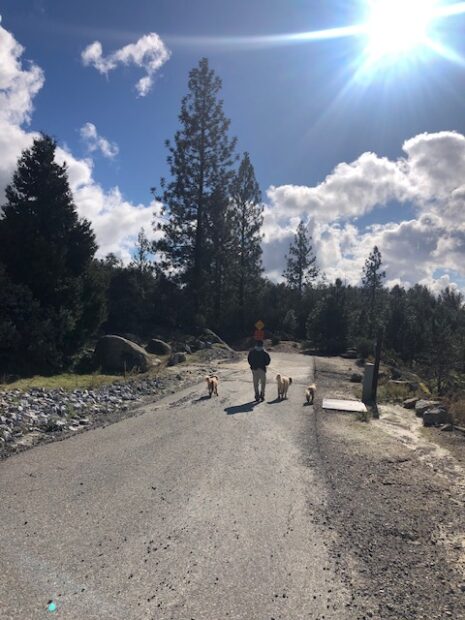
Also, being with the animal family and spending time in nature. I love cuddling my cats and going hiking with my dogs!
Building strength and moving my body
To stay healthy, I have been trying new ways to be more physical—building muscle and getting outside more often. Walk more steadily!
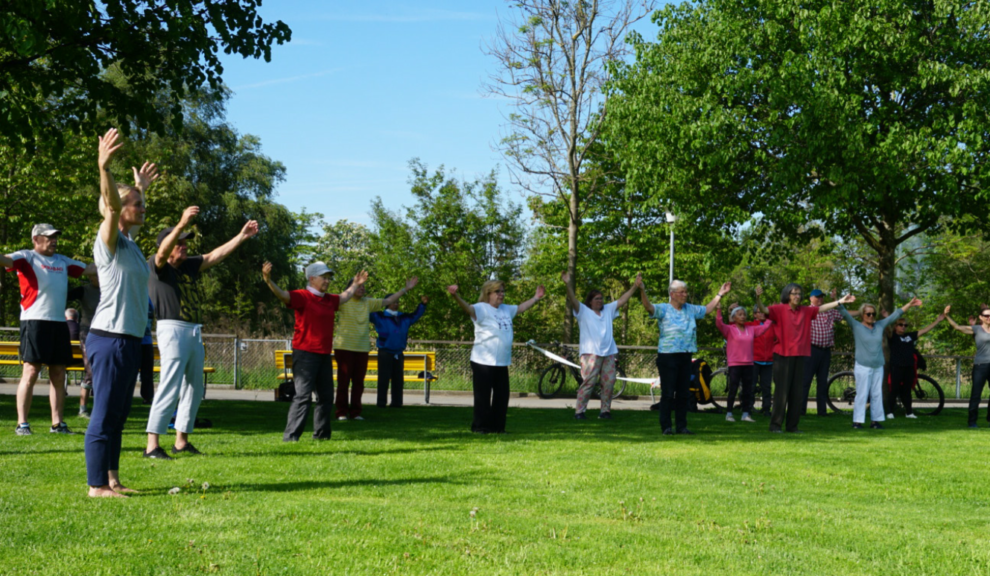
I have not been able to practice yoga regularly since I injured my left knee when a neighbor’s dog attacked me and one of my dogs, Nalu, two years ago. The Qigong class at Virginia Park has been very helpful because it is outdoors. I walk two blocks to get there and enjoy a little conversation with the people taking the class. I also tried Tai Chi for 6 weeks, but it worsened my knee pain, so I knew it was not for me right now.
I wanted to do more than Qigong and find a way to improve my knee so I could reduce—or eliminate—pain. Two years ago, after the dog attack, I had only gone to urgent care. The X-ray showed no broken bones, but my knee was already weak from previous injuries. I received acupuncture and therapeutic massage, but the knee joint is complex, involving bones, cartilage, ligaments, tendons, and muscles working together. Remembering how helpful physical therapy had been in the past, I finally went to see my primary care doctor. My doctor agreed and recommended physical therapy.
I had avoided seeing my primary doctor for a long time, but I am glad I finally did.
I attended physical therapy at UCLA Hospital off and on for about eight months. I learned that less, but more frequent movements, are better than pushing too hard. Each visit, the therapists would ask, “Any falls or injuries?” That question made me realize how important it is—especially now, at age 70—to avoid falls and injuries.
I remembered how my mother’s health declined after she felt and had a hip surgery when she was 70, and how she eventually stopped walking before she passed away. That memory stays with me.
After lymphoma and chemotherapy in 2017, I lost a great deal of muscle, and my bone structure was affected. Since then, I have been working to rebuild my bones through daily movement and supplements such as Vitamin D. I want to avoid osteoporosis and other bone diseases.
Although my oncologist recommended seeing a bone specialist, it took me three years to finally do so. I had a bone density test and learned more about my bone health. Lightweight lifting was recommended, but I do not enjoy weightlifting or going to the gym—especially because I am very sensitive to smells, so people’s perspiration bothers me so much.
It took time, but I eventually found what works for me.
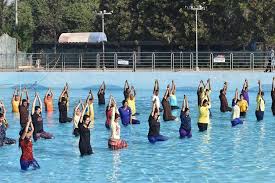
Aqua Yoga became the best way to rebuild strength without causing pain in my knee. I am grateful that I did not give up and continued searching for something I truly enjoy. I feel stronger and more upright now.
Teaching again
Because I stayed healthy, I was able to teach consistently—two to four times a month—for the entire year. I am deeply grateful to be teaching again.
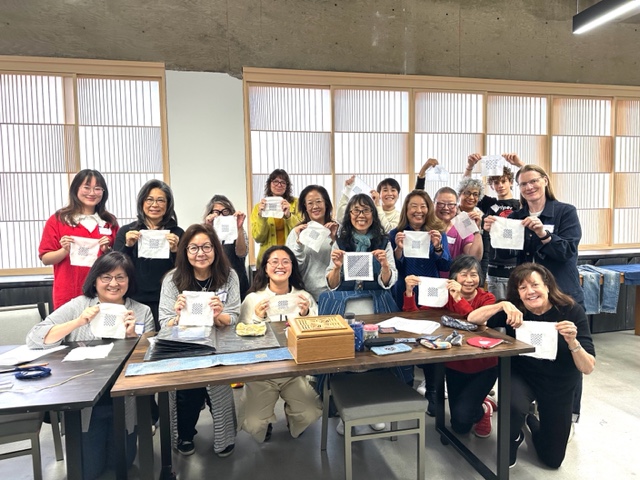
Next year, I am scheduled to teach more Sashiko workshops, a new mending workshop at JACCC (Japanese American Cultural Community Center), and even a Macrobiotic class. I have also been invited to teach a two-day workshop at the Southern California Weaver Guild, and I am looking forward to what I can share there.
I have not taught Macrobiotic cooking itself for some time. Macrobiotics is much more than cooking—it is a holistic philosophy and lifestyle centered on balance and harmony through food, activity, mindset, and environmental awareness. It emphasizes whole, natural foods prepared mindfully to support physical, emotional, and spiritual well-being.
Through my Sashiko workshops, I have been teaching practices that support mental and environmental awareness. Recently, I was asked to teach Macrobiotic cooking and the Five Element principles, so there may be another opportunity to share that work soon.
Saying goodbye to Lumi

I am deeply grateful that I was able to support Lumi in living fully until her very last breath.
She was one of my most beloved dogs, and I still miss her every day. I was blessed to share fifteen and a half years with her, and she passed peacefully at home. Every morning, I still light a candle to honor her and feel her presence.
You can read more about Lumi here:
https://sanaesuzuki.com/2025/06/07/tribute-to-my-beloved-dog-daughter-lumi/
“Tortoise Pace” collage
This was my third time submitting a collage to the Santa Monica Emeritus Gallery exhibition.
The curator, Jesse Benson, selected my piece for display alone on the first wall. When I saw it, I almost cried with joy.
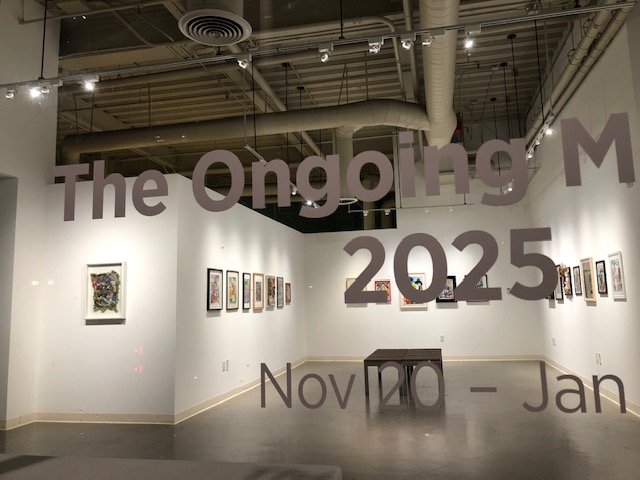
The collage was created mostly from screws, metal, and seaweed I collected while walking with Lumi around our neighborhood and the beach in Cayucos. I also used postage stamps, photographs, watercolor, colored pencils, and washi paper.
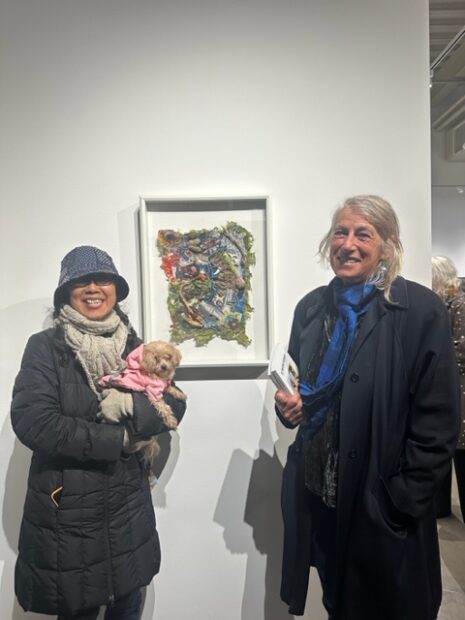
Despite the rain, many people came to the opening reception. I am grateful to everyone who took the time to see my work, especially the friends who came to support me.
Making handmade holiday gifts
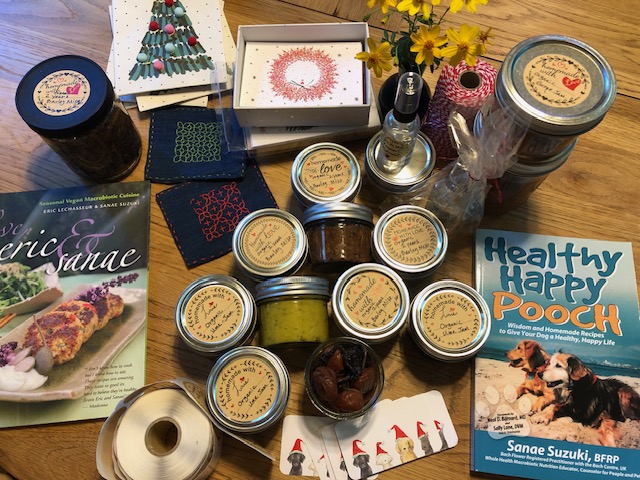
I am not sure when it started, but handmade gifts have become part of our holiday tradition.
Each year, we make miso, umeboshi plums, ume plum jam, elderberry tea, yuzu kosho, and more. This year, we also made grape jam—Eric had the opportunity to harvest a large amount of grapes from Leonardo DiCaprio’s property—and yuzu jam after making yuzu kosho.
I also stitched several Sashiko pieces as gifts.
Reconciliation after the dog attack
Two years ago, one of our dogs, Nalu, and I were attacked by a neighbor’s dog. At the time, I did not know how—or if—I could reconcile with the dog’s owner.
Five years earlier, Nalu had been attacked by the same dog. She was so terrified that she ran nearly two miles before being rescued. She was injured and suffered severe PTSD, becoming reactive toward other dogs for a few years. It was a heartbreaking period, though she slowly improved.
Then, two years ago, the same dog attacked again. This time, I was with Nalu and also injured. Both of us took Bach Flower Remedies to help with fear and emotional trauma.
Eventually, I contacted the dog’s owners. The wife was kind and thoughtful, but the husband was not. He denied the first attack, even though I talked to him that time once, but he never returned my calls after the second call. This time, I considered suing, but I knew it would be too stressful.
The wife left a card and a gift for Nalu, and later paid part of my medical expenses. We met for tea at a nearby café, where she shared that she was going through a divorce and no longer had the financial means to help further.
I needed to decide what would truly help me heal. I chose to focus on physical therapy for my knee. Because I do not drive, I asked her to take me to my therapy appointments, which she did.
The dog that attacked us has since passed away. I felt deep compassion for this woman—she had been through so much, not only because of the dog, but because of her marriage, the divorce, and her own losses.
She did the best she could. For the holidays, I gave her our homemade gift. I wished her well and hoped for a gentler year ahead.
What truly matters
I believe that money brings convenience, but not true happiness. I have not seen that wealth alone creates joy. I am at peace with the choices I made in handling this difficult situation with compassion and care.
Overall, 2025 was a deeply meaningful and fulfilling year for me.
I want to continue planting seeds, allowing them to grow and bloom, and harvesting new seeds for the future.
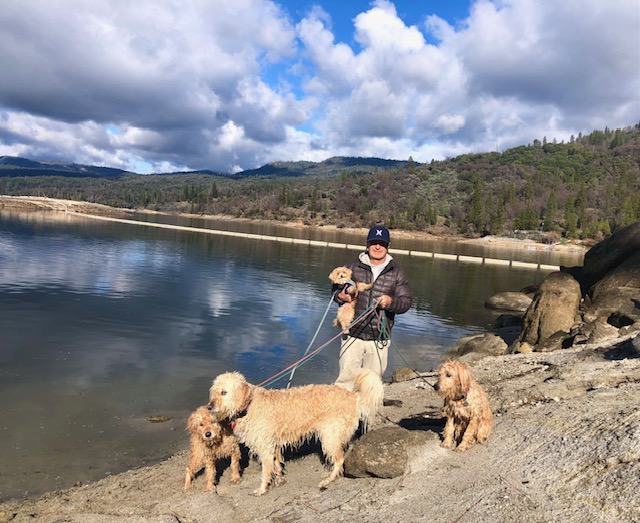
Thank you all for supporting me through another year.
Wishing you a healthy, peaceful, and joyful New Year.
( ̄∀ ̄)❤️
Love,
Sanae
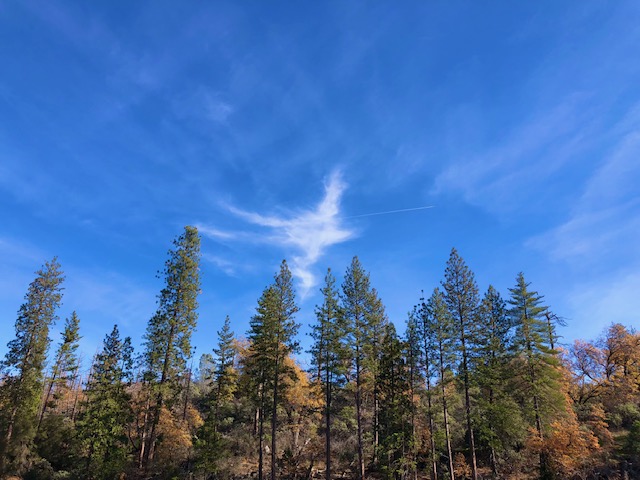
ノースフォークのサンクスギビング2025年
ブログを書くの久しぶり。
最後にブログを書いたのはいつか見たら、8月だとわかってビックリ。
2025年は充実した一年だった。
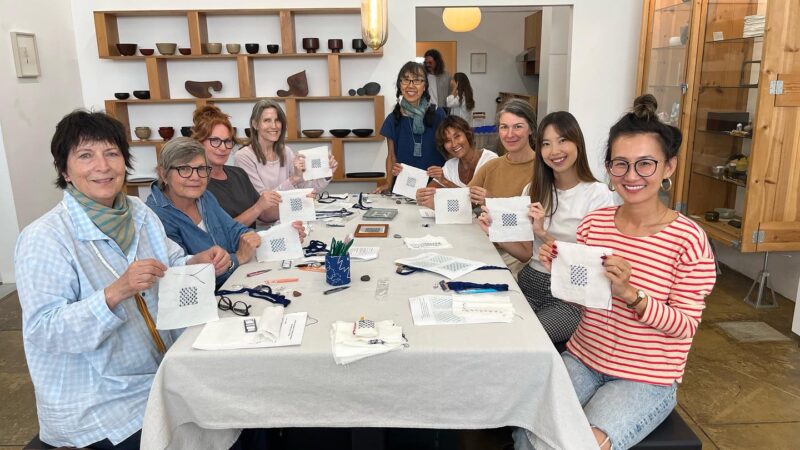
思ってもいなかった刺し子のワークショップを1年間通して毎月2〜4回教え、昨年から通い始めたバージニアパークでの気功教室に通い続け、春にはUCLA病院で左膝のリハビリに行くことにして、9月からはサンタモニカカレッジ・エメリタスでアクアヨガを始めた。
ステージ4の癌から8年、癌が戻ってくる気配はない。気をつけて少しずつ体力をつける努力をしはじめた。そして、時間を見つけては刺し子と手縫いの針仕事と絵画に励むひととき。
なので執筆活動はしばらくお預けだった。
もう新年まであと10日。
書きたいことはたくさんあるけど、まずは2025年のサンクスギビングについて書きたい。
この20年間、サンクスギビングをカリフォルニア州ノースフォークで過ごしてきた。ノースフォークはシエラネバダ山脈にある小さな山間の町で、ヨセミテ国立公園の南入口から約30マイル。静かで、落ち着いた森林。都会の喧騒とは違い、時間がゆっくりと流れている。
私が初めてノースフォークを訪れたのは20年前、10日間のヴィパッサナー瞑想合宿に参加した時。瞑想コースを終えた後、エリックが迎えに来てくれて、なぜか、ノースフォークは私たちにとって心に残る聖域となり、リフレッシュしたいときに戻ってくる大切な場所。訪れるたびに、深呼吸をして息をはいたような安らぎを得ている。
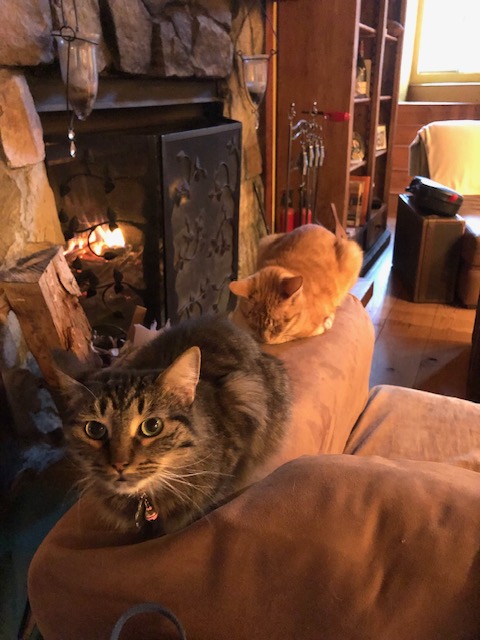
私たちの猫たちも、ノースフォークが大好き!
サンクスギビングにノースフォークに行く時、いつもサンクスギビングの朝早くにサンタモニカを出発。高速がけっこう空いていて空気も穏やかなドライブ。以前何度かサンクスギビング前日の夜に出発したら、祝日の渋滞で時間がとってもかかり、到着した頃にはすっかり疲れてしまって台無し。それで、サンクスギビングの朝に出発するのが一番良いということに気づいてそれを継続。
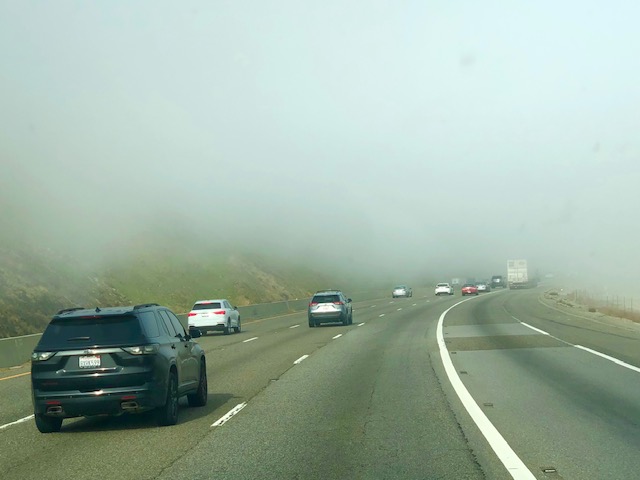
今年はテホン・ランチを通過したあたりから、道路が濃い白い霧の中に消えていくように見えた。一瞬、煙のように見えましたが、すぐに全く別のものだとわかった。その深く白い霧の静寂の中を車で走っていくのは非現実的な感覚だった。まるで境界線を越えた、別世界に入り込んだような、もしかしたら天国の門はあんな風に見えるのかもしれない。

たいてい、エリックと二人きりでサンクスギビング静かにお祝い。時々、友人を招き、エリックの手料理を振る舞って素晴らしいノースフォークをシェアーしてきました。
今年は、20年ほど前から知り合いの友人が、息子さんと甥の方、そして愛犬と一緒にきてくれたのは嬉しかった。
初めて彼らに会った時、彼らが山が好きだと知って、「いつかノースフォークに遊びに来てね」と言って来てもらえるのを願ったもがついこの前のよう。
ずいぶん時間がかかったけど、サンクスギビングの食卓で、「何かを願うと、たとえ時間がかかっても叶う力」と来てくれた喜びを伝えた。
願いを心からすると叶うという大切さ、あらためて自分の心に留めておいた。
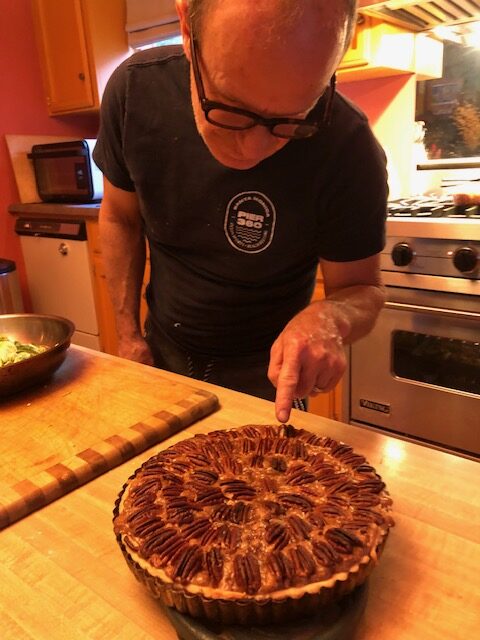
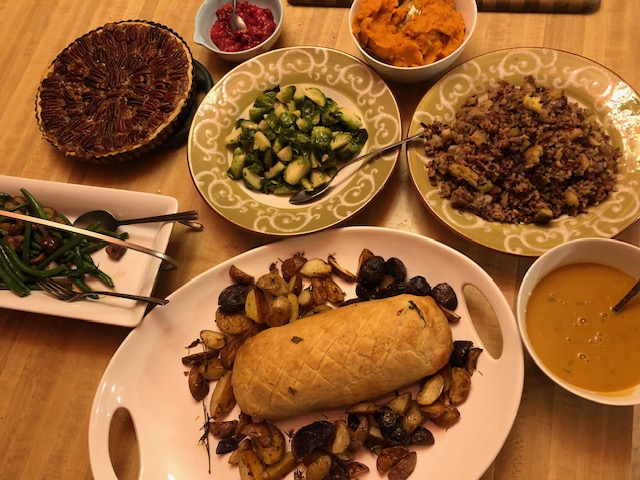
エリックがサンクスギビングの週末毎日、美味しい感謝祭料理やその他の料理を作ってくれてみんなで楽しんだ。
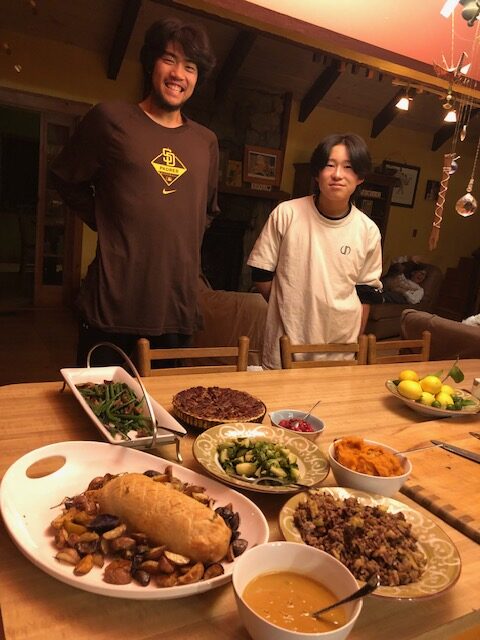
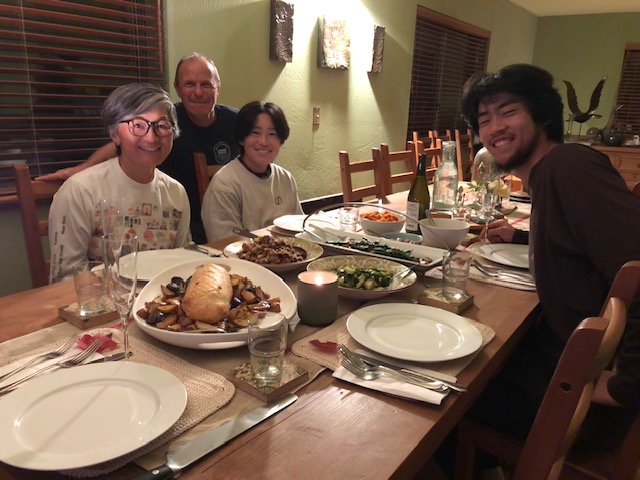
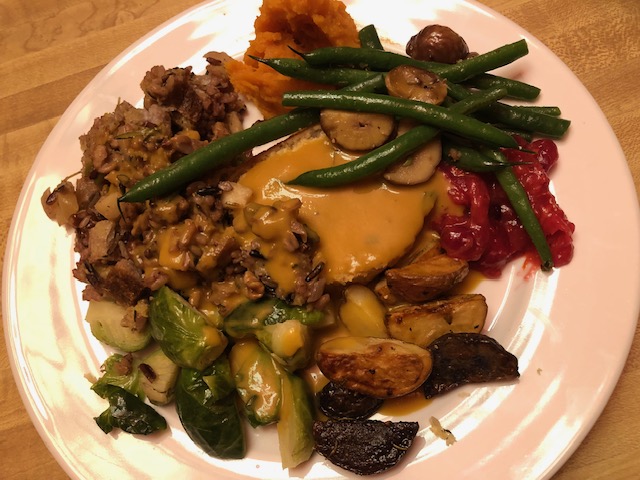
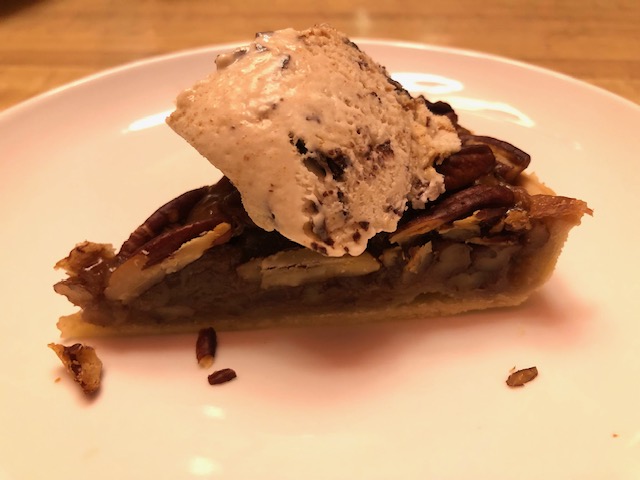
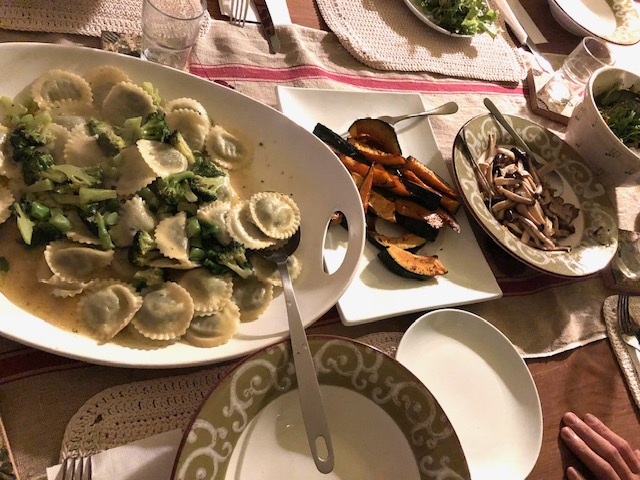
近くのスキー場のチャイナピークにはまだ雪があまり積もっていなかったので、スノーボードやスキーは諦めて、代わりに別の方法で日々をみんなで楽しんだ。
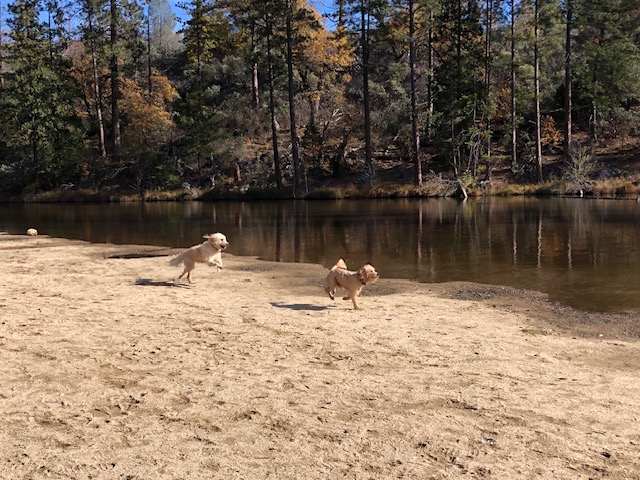
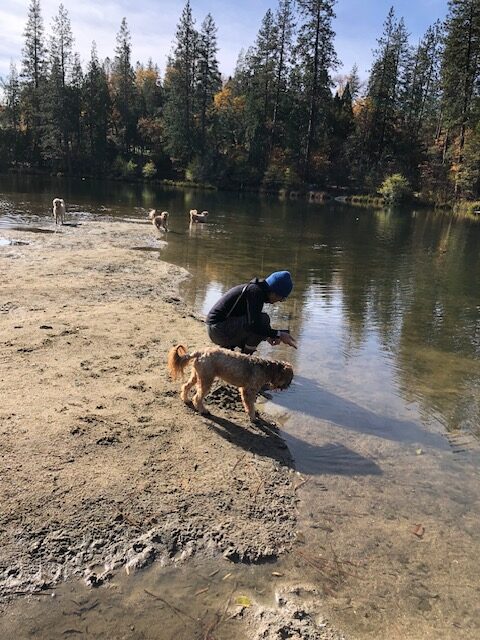
犬たちと一緒にバスレイクとマンザニータレイクへハイキング。
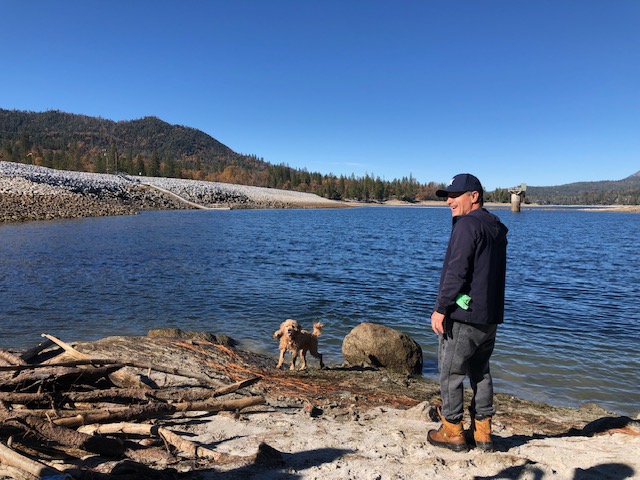
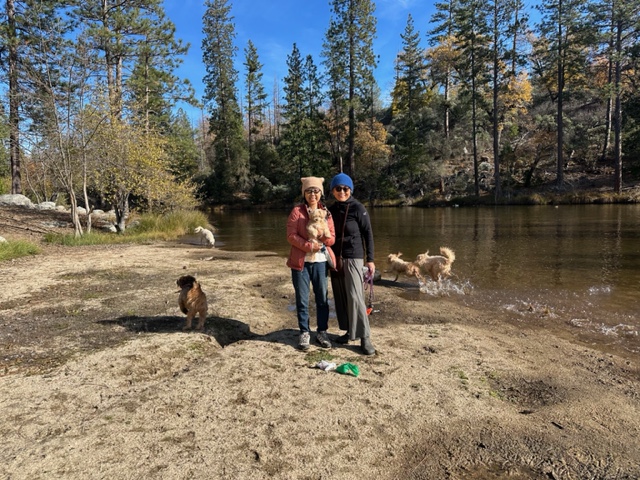
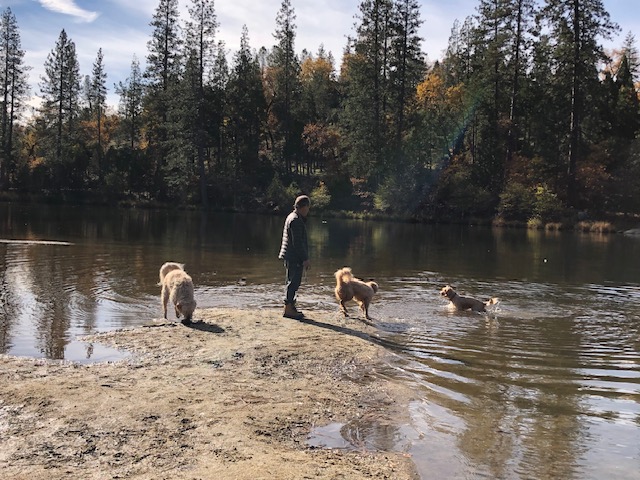
レディガー湖畔のパノラマビューを見にドライブ。
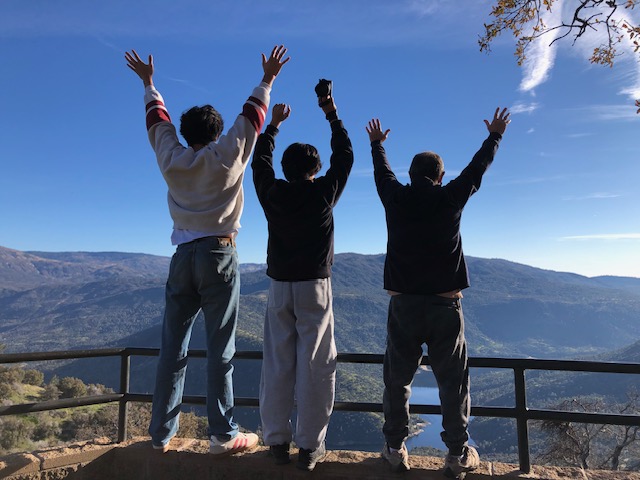
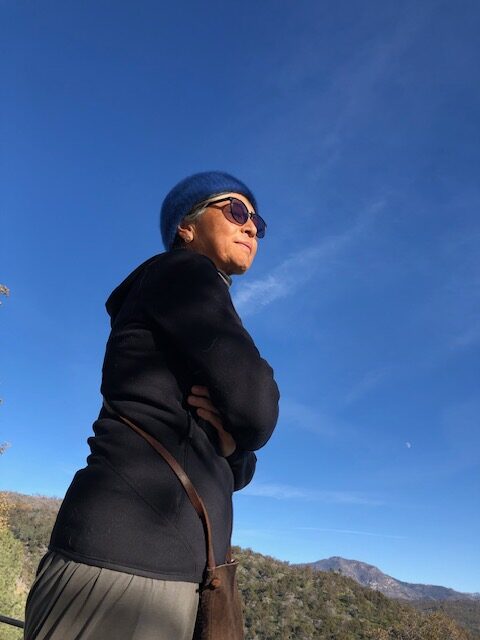
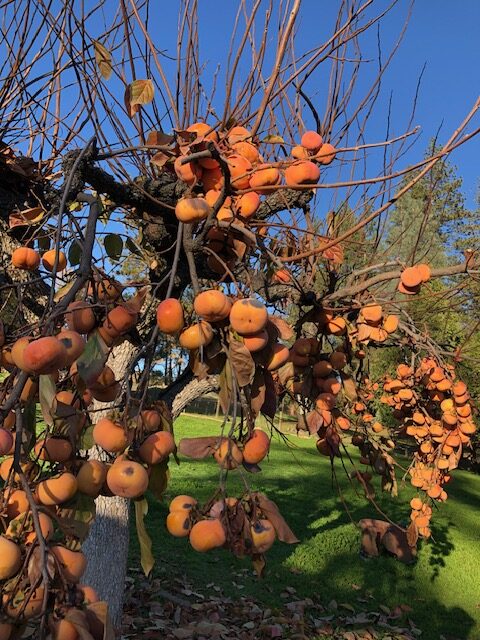
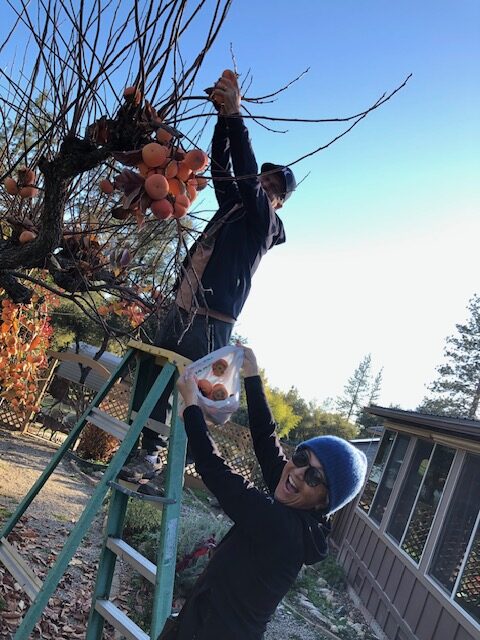
キースとメリーゲールのお家で柿取り。
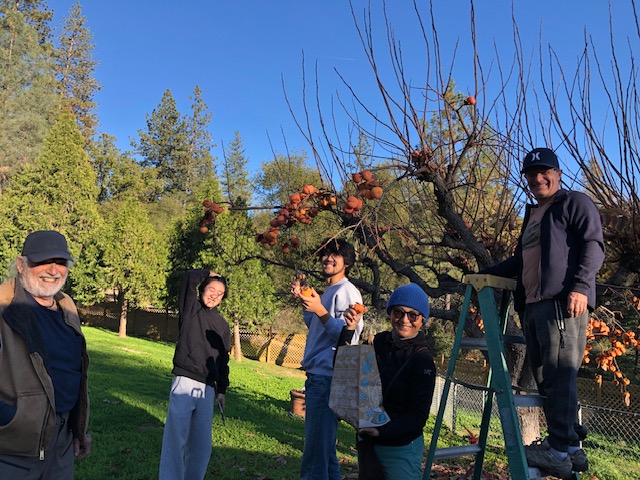
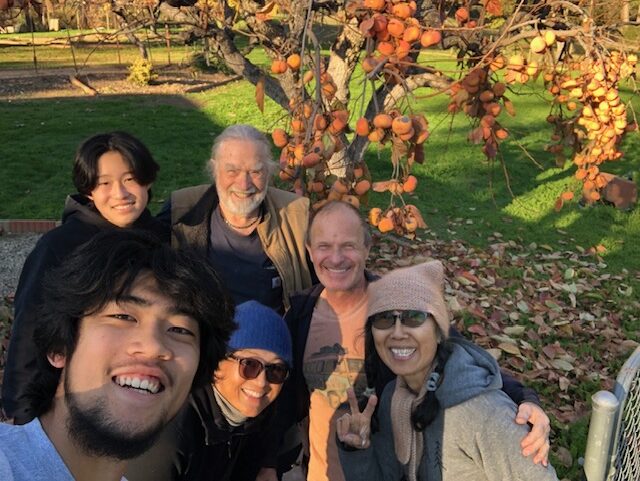
キャスケデル滝に行って、その後は野生のローズヒップ摘み。
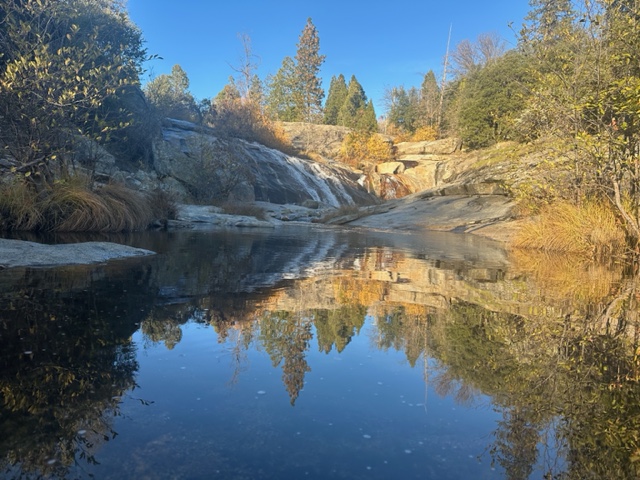
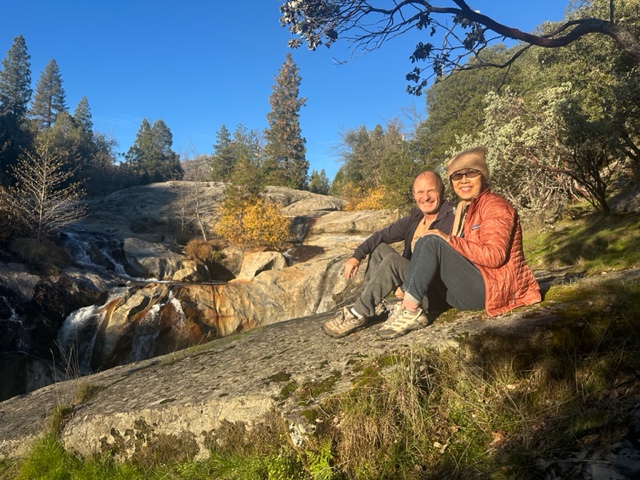
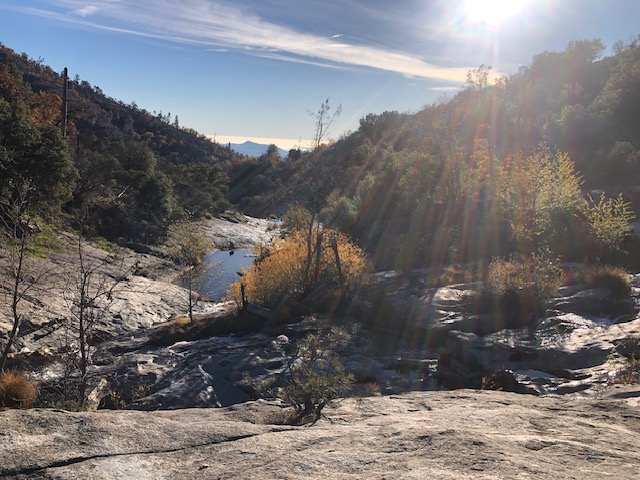
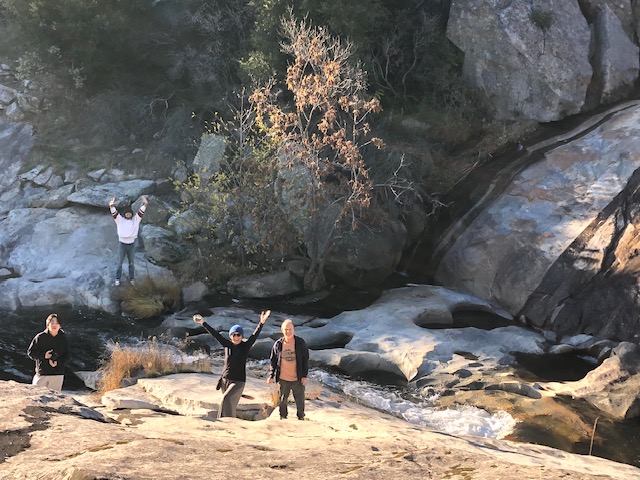
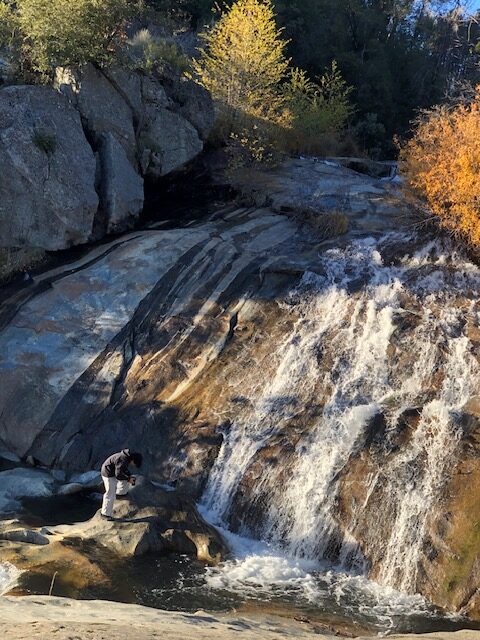
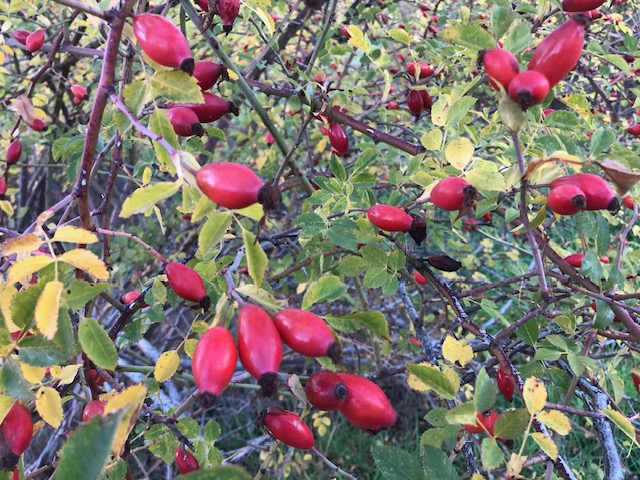
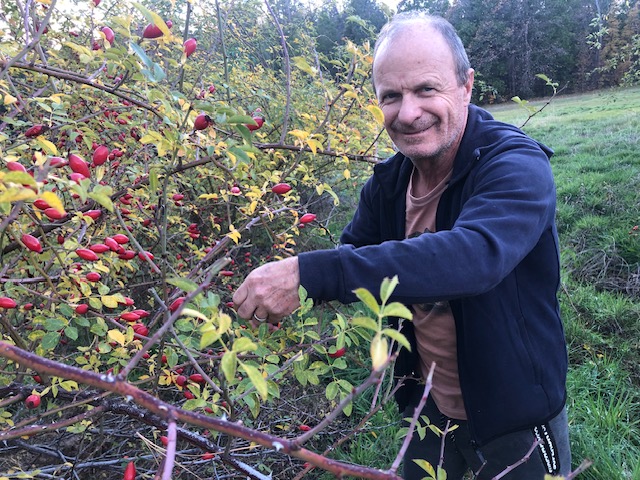
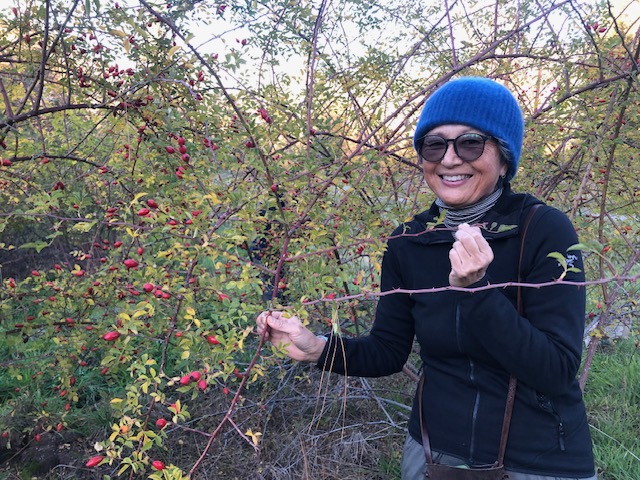
ノースフォークの山荘で過ごしたサンクスギビング。
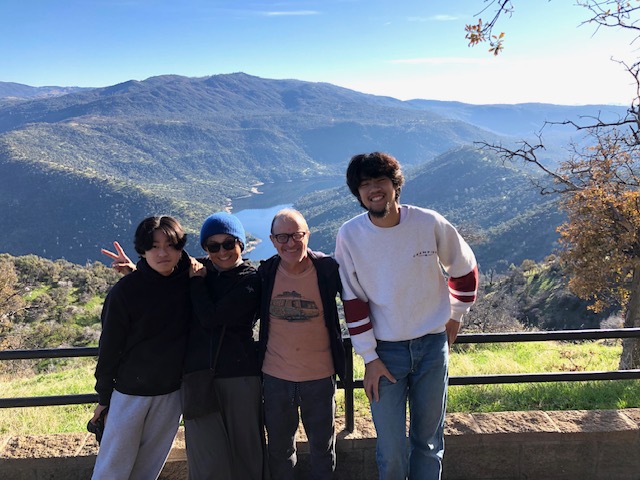
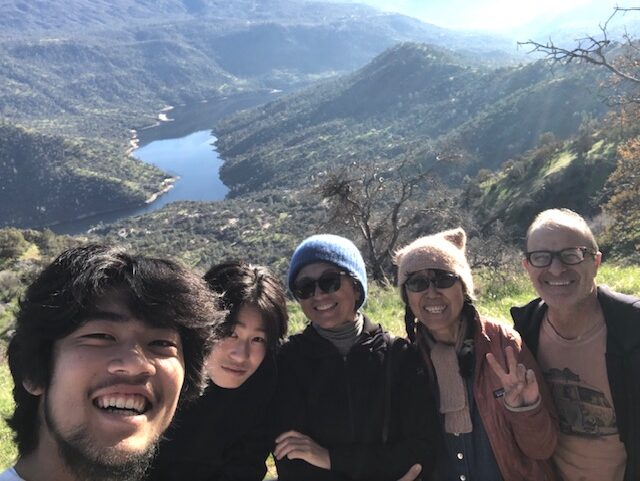
長い付き合っている友人との、長い時間をかけた願い、静かなひととき、そして深い感謝の素晴らしい思い出、最後にみんなで写真。

サンタモニカへ帰る途中クロービスの中野さんちの大きな柚子を取りにいった。もう柚子胡椒を作る事を考えてた。
柚子胡椒のレシピはこちら。
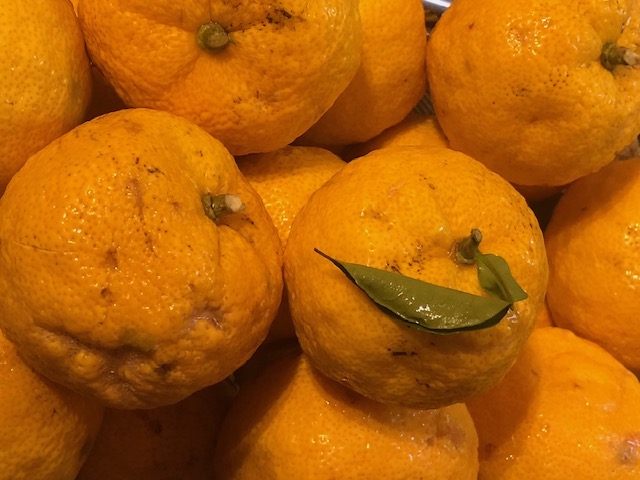
素晴らしいサンクスギビング!
またサンクスギビングをこうして健康で迎えられたこと、友達、家族に、心から感謝いっぱい!
愛を込めて,
Sanae ❤️
North Fork Thanksgiving 2025
It’s been a long time since I last wrote my blog.
Longer than I expected.
Longer than I expected.
The last post was in August, and somehow the months slipped by. This year of 2025 was full, in a steady, physical, everyday way.
Teaching Sashiko workshops two to four times a month.
Continuing to attend Qigong class in Virginia Park from last year, started physical therapy at U. C. LA Hospital in the spring, and Aqua Yoga from September at Santa Monica College Emeritus.
Eight years after being diagnosed with stage IV cancer, the cancer is not coming back, so I’m gradually working on building up my physical strength.
And having a good time stitching Sashiko or hand sewing projects or painting every day, wherever I had time.
Writing had to wait.
And now the new year is only ten days away.
There are many things I want to write about, and Thanksgiving feels like the right place to begin again.
For the last twenty years, we’ve spent Thanksgiving in North Fork, California. It’s a small mountain town in the Sierra Nevada, about thirty miles from the south entrance of Yosemite National Park. Quiet. Grounded. A place where time feels slow and is not rushed like living in the city.
I first came to North Fork 20 years ago for a ten-day Vipassana meditation retreat. Eric came to pick me up after I completed the meditation course. Somehow, the place stayed with us. North Fork became our sanctuary—a place we return to when we need to reset. Every visit feels like an exhale.
Even our cats love there.
For Thanksgiving, we usually leave Santa Monica early on Thanksgiving morning. Traffic is lighter, the air feels calmer, and the drive becomes part of the experience. A few times, we left the night before, and it took a long time because of holiday traffic, and we arrived so exhausted. We realized the morning of Thanksgiving works better.
We passed through Tejon Ranch this year, and the road disappeared into thick white fog. For a moment, it looked like smoke, and then it became something else entirely. Driving into that silence felt unreal—like crossing a threshold, or entering another world. Maybe heaven’s gate looks like that.
Most years, it’s just the two of us. Sometimes we invite friends to share the quiet, tranquil, and Eric’s cooking. This year, our frineds who we’ve known for about twenty years finally came to visit—with their dog. When we first met them, learned they loved the mountains, so we said, “Someday, come visit us in North Fork.”
Life got busy. It took time.
But that someday came.
At the Thanksgiving table, surrounded by food, our dogs and their dog, and familiar voices, I felt grateful for the power of wishing. Even when it takes years, a wish doesn’t disappear. It comes true.
Eric cooked every day throughout the weekend—Thanksgiving dishes and everything in between. Our friends don’t follow a macrobiotic or plant-based lifestyle, but they enjoyed the food, which made the meals feel even warmer.
There wasn’t much snow yet at China Peak this year, so snowboarding and skiing were set aside. Instead, we filled the days in other ways.
Hiking around Bass Lake and Manzanita Lake with the dogs.
Driving up to the panoramic views at Redinger Lake.
Picking persimmons at Keith and Merry Gale’s house.
Visiting Cascadell Falls and pick wild rosehips.
Thanksgiving at a mountain cabin in North Fork.
Wonderful memories of a long-awaited wish fulfilled with long-time friends, quiet moments, much gratitude, and finally, a group photo.
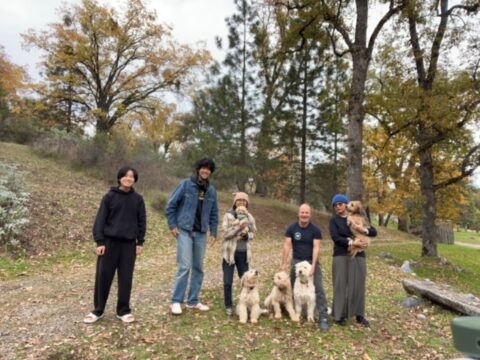
On the way home, we stopped in Clovis to pick Yuzu from Nakano family, already thinking about Yuzu Kosho to be made.
I’m deeply grateful for another Thanksgiving—with my good health, family, and dear friends.
Love,
Sanae ❤️

小豆羊羹デザート
前回のブログでも書きましたが、私は小豆が大好き。
小豆は腎臓と膀胱の働きを助ける働きがあり、誰でも作れる小豆レメディ茶はとてもおいしくて、よくマクロビオティックのカウンセリングでは、多くのクライアントに小豆レメディ茶をおすすめし、自宅で小豆レメディ茶を作って飲むように勧めています。
小豆レメディ茶のレシピと、それが腎臓と膀胱に良い理由について書いた私のブログをまだ読んでいない方は、ぜひこちらで読んでみてください。
小豆レメディ茶を作った後、煮た小豆が残ります。
マクロビオティックカウンセリングしてクライエントさんに自宅で小豆茶を作って飲んでもらうようにすると「小豆レメディ茶の後に残った小豆どうしたらいいですか?」と聞かれます。
小豆レメディ茶を飲んだ後の小豆は、料理やデザートに使えます。
小豆とカボチャの煮込み料理/シチュー(『Love, Sanae』、料理本209ページ)
小豆のスープ
小豆のスプレッド(ジャム)/小豆のグレーズ(『Love, Sanae』、料理本217ページ)
小豆を使ったデザートには、羊羹、おしるこ、ぜんざいなどがあります。
この前までセントラルエアコン付き冷房の病室に入院していたクライアントのヒーリングワークを2ヶ月間していて、週2~5回通院していたら体が冷えきってしまい、腰痛。 腎臓をサポートし、自分自身を癒すために「小豆レメディ茶」を作ってみました。 すると、体が温まり、心が落ち着き、痛みも和らいで安心。
通常冬に小豆レメディ茶をすすめますが、冷房の中で生活している人には必要なレメディ茶だと再確認。
小豆レメディ茶を作った後、残った小豆で小豆羊羹も久しぶりに作ってみたら美味しかった!
この「小豆羊羹」を新しく友達になったロニさんにシェアしたら、とても気に入ってくれて、作り方を教えて欲しいという事でみなさんにもご紹介する事にしました。
「小豆羊羹」レシピ
煮たあずき1カップ (私は小豆レメディ茶の後の小豆を使ったーそのレシピ)
てんさい糖 大さじ3~5
*寒天 大さじ2~3
メープルシロップ(お好みで小さじ1)
フルーツ(お好みで、写真のようにラズベリーなど)
1.
1) 小豆を濾した後、小豆が柔らかい場合は水を半カップ加えて温め始め、米飴またはてんさい糖を加えてよく混ぜます。
2) 小豆がまだ柔らかくない場合は、水1カップを加え、さらに30分、または豆が柔らかくなるまで煮てください。
豆が柔らかくなったら、米飴またはてんさい糖を加えます。
2. 甘味料をよく混ぜたら、味見をします。適度な甘さになっているか確認してください。
日本の羊羹には通常、粒餡(粗い餡をすりつぶしたもの)とこし餡(こし餡をふるいにかけたもの)の2種類の小豆餡が使われます。私は茹でた小豆を使うので、餡を作る必要はありません。
3. 寒天を加えて混ぜ、8~10分ほど弱火で煮ます。
4. 型やガラス容器に移し、冷まします。
冷蔵庫で保存できます。
5. 小豆羊羹を盛り付ける際は、ケーキのように切り分け、お好みでフルーツを添えてお召し上がりください。
羊羹を味見し、甘さが足りない場合は、メープルシロップを少量(小さじ1杯)加えます。
* 天然寒天は、肥満、高血糖、高血圧、高コレステロールといった生活習慣病に対して、非常に高い効果が期待される食品。
ゼリーや甘いソースのように柔らかく仕上げたい場合は、寒天の量を減らしたり、全く入れなかったりします。ゼリーとして食べたり、あずきグレーズ(『Love, Sanae』、料理本217ページ)を作って、煮たリンゴや桃などの果物にかけて食べたりします。
小豆羊羹作りを是非試してみて下さい。
Love,
Sanae❤️
Azuki Yōkan Dessert
As I wrote in my last blog, I love azuki beans.
I recommend Azuki Remedy Tea for supporting the kidneys and bladder.
If you haven’t read my blog on the Azuki Remedy Tea recipe and why it supports your kidneys and bladder, I recommend checking it out here.
When I do macrobiotics counseling, I recommend azuki bean remedy tea to many of my clients and encourage clients to make and drink azuki tea at home.
I’m often asked, “What should they do with the azuki beans after making the tea?”
The azuki beans after the azuki bean remedy tea can be used in cooking dishes or desserts.
Azuki and Kabocha Squash Dish/Stew (Love, Sanae,” cookbook page 209)
Azuki bean soup
Azuki spread (jam)/azuki glaze (Love, Sanae,” cookbook page 217)
Azuki desserts include Yōkan, Oshiruko, and Zenzai.
and more
I had been doing healing work for a client who was hospitalized in a room with central air conditioning. After visiting the hospital 2-5 times a week for 2 months, my body felt cold and started getting lower back pain, so I made an “azuki bean remedy tea” to support my kidneys and nurture myself. It made me feel warm, soothed, and relieved the pain.
I also made azuki yōkan (sweet bean jelly) with the beans after I made the azuki remedy teas for the first time in a while.
It was delicious.
I shared auzki yōkan with my new friend, Roni.
She loved it and asked me how to make it, so here is the recipe.
Azuki Yōkan Dessert’s recipe
Ingredients:
1 cup cooked azuki beans – I used the azuki beans after Azuki Remedy Tea ( Azuki Remedy Tea Blog)
4~5 tablespoons rice syrup/beet sugar
2~3 tablespoons agar*
1 teaspoon maple syrup (optional)
Fruits (optional)
1. Cooked azuki beans:
1) If the azuki beans are soft, you add a half cup of water and start heating it up, and add rice syrup or beet sugar and mix well.
2) If the azuki beans are not soft yet, then you need to add one cup of water and cook for another 30 minutes or till the beans are soft.
After the beans are soft, add rice syrup or beet sugar.
2. Once the sweetener is mixed well, you can taste it.
Make sure it is mildly sweet enough.
The Yōkan in Japan typically utilizes two types of Azuki bean paste: Tsubu-an (coarse, mashed bean paste) and Koshi-an (smooth, sieved bean paste). Additionally, it contains a significant amount of refined sugar.
I use azuki beans after cooking as it is, so I don’t make any paste, but if you want, you can also make it into a paste.
3. You add agar and mix to cook(simmer) for 8~10 minutes or so.
4. You transfer it to a mold/glass container to cool it off.
Then you can put it in the refrigerator.
5. To serve azuki yōkan, cut them like cake, and if you like, top with fruit, then serve.
You taste yōkan, and if you need more sweetener, then you might add a tiny amount (a teaspoon) of maple syrup on top.
* Agar is a food that is expected to be highly effective against lifestyle-related diseases such as obesity, high blood sugar, high blood pressure, and high cholesterol.
Sometimes, I want to make it softer like jelly or sweet sauce, then I reduce the agar or omit it altogether. I then eat it as jello or use it to make azuki glaze (Love, Sanae,” cookbook page 217) and drizzle it over cooked apples, peaches, and other fruits.
I hope you enjoy making Azuki Remedy Tea and Azuki Yōkan!
*Yōkan (羊羹) is a wagashi which, is a Japanese confectionery made of red bean paste, agar, and sugar. It is usually sold in a block form and eaten in slices.
Love,
Sanae ❤️

腎臓と膀胱をサポートする小豆レメディ茶
子供の頃から大好きな豆は小豆。
これはレッドビーンズと呼ばれることもあり、アメリカでは「azuki」ではなく「adzuki」と書く人もいる。
小豆は日本でとっても人気のある豆。
大豆に次いで2番目に人気のある豆で、伝統的な日本料理とモダン日本料理の両方で和菓子にも使われている日本の代表的な豆。
私は小豆をもち米と一緒に炊くお赤飯(レシピ『Love, Sanae』料理本 37ページ)が好き。
お赤飯は日本では特別な機会、お祝い事などでよく出される。
日本人はハッピーイベントでお赤飯を出すことが多く、出産祝い、誕生日祝い、卒業祝い、入学祝い、長寿祝いなどお赤飯が出される習慣がある。
小豆の赤色は縁起が良く、災いを払う力があると聞いた事があり、お赤飯は様々な場面で魔除けの役割も果たしてきているのかも。
お赤飯が通常は米2/3カップに小豆1/3カップで作るけど、祖母は米1/3カップに小豆多めの2/3カップを炊いてた。それですっごく濃い赤みがかった色のお赤飯で小豆だらけ。私のお気に入りだったのを思い出した!
小豆はスープやデザートにも使われる。
マクロビオティックでは、腎臓と膀胱をサポートするために小豆を食べるのを勧め。
腎臓と膀胱は冬場にバランスを崩したりするので、冬の豆として小豆を食べるだけではなく小豆のレメディ茶を飲んでサポートすると効果的。
夏でも、冷房の効いた寒い部屋で過ごしていると、腎臓や膀胱の健康上に影響があって冷え性になっている人も多いかもしれませんので夏場でも、暖かい小豆茶を飲むことをお勧めします。
冷房の効いた寒い部屋で過ごすと、腎臓が収縮し、腎臓周りの腰の筋肉が硬直、思考力も固まる傾向。腎臓は冷たい環境を苦手とするため、夏でもコットンの腹巻きをしたり、コットンのタンクトップを服の下に着て、温かいお茶、特に小豆茶を飲むと尿の働きを良くして, 浮腫もよくなるでしょう。小豆は便秘、心臓、腎臓、肝臓、利尿、毒下しと大切な働きをする助けにもなる。その上、小豆には精神を安定にさせるナイアシンというビタミンがふくまれているので体だけでなく心もリラックスせせてくれる効果あり。
レシピ: 小豆レメディ茶(『Love, Sanae』料理本 197ページ)
材料:
小豆 1カップ
水 4~6カップ
昆布 5cm幅
1。小豆を水で洗い、鍋に水と入れる。
2。蓋をしないで沸騰させ、昆布を加えて蓋をして1~1時間半弱火でコトコト煮ます。
3。小豆を濾して、小豆汁(小豆茶)を食間の空腹時に1カップ程飲む。
4。残りは小豆茶が冷めたら、冷蔵庫で保存してください。飲む際は、弱火で温める。(この際、沸騰はさせない)。
残った小豆を作ったレシピで小豆羊羹デザートのレシピを次回載せますね。
体の中の老廃物と余分な水分を尿として体外へ出す効果をだして腎臓と膀胱の働きを助ける小豆レメディ茶を作って飲んでみてください!
Love,
Sanae❤️
おまけインフォ:
腎臓は、「老廃物を排泄する」だけでなく、尿の濃縮機構を使って体内の水分量を調節したり、塩分やカリウムなどの電解質と呼ばれる物質の濃度を調整しています。 体内で常に作られている酸性の物質を腎臓から排泄し、体を弱アルカリ性に保っています。
腎臓は体の中の老廃物と余分な水分を尿として体外へ出します。 この機能が低下すると体内に過剰な水分が残り、次第に体重が増えむくみになるのです。