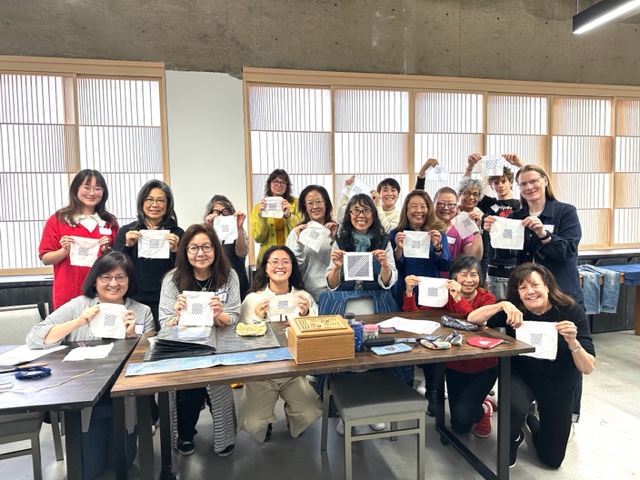
Sashiko Beginners Workshop in December 2025


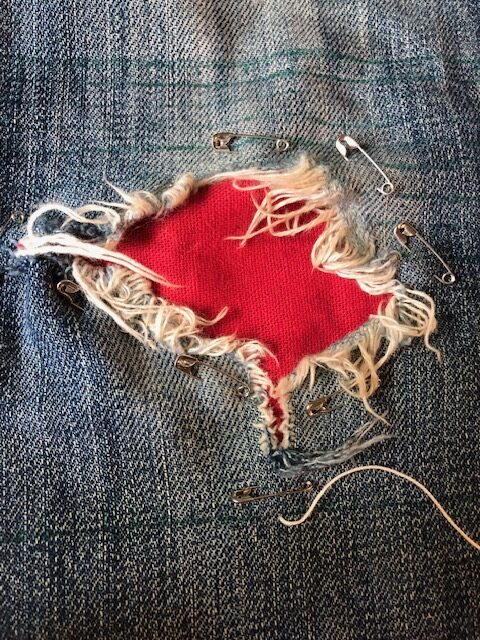
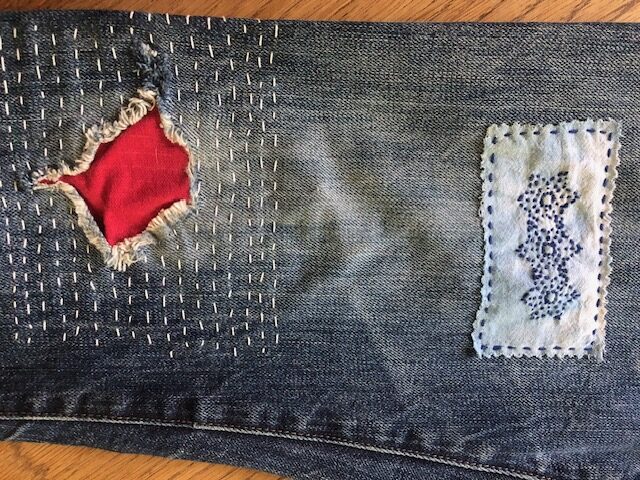
Sashiko Mending Workshop at JACCC
Sanae❤️
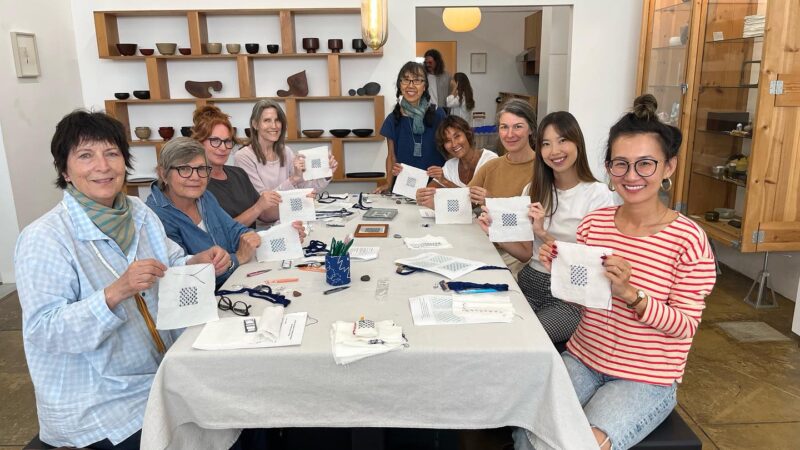
Sashiko Beginners Workshop in December 2025


As 2025 comes to a close, I look back on a year that began with wildfires in Los Angeles and unfolded with many challenges.
There were moments of deep uncertainty. During that time, I wrote a blog post titled “Sharing My Feelings After the Wildfires…”, trying to give words to what I was experiencing.
Uncertainty brings fear, and it often reveals a darker side within us.
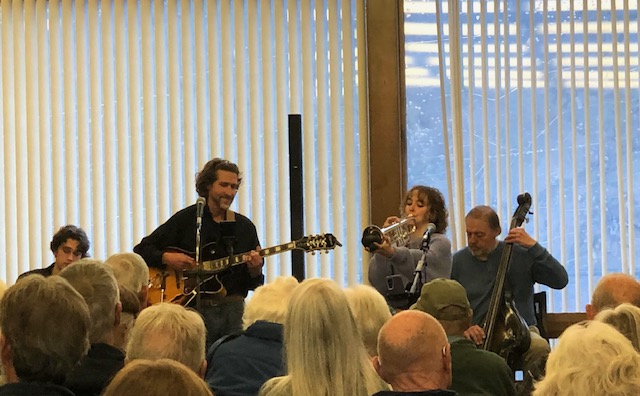
After Christmas, we were invited to a small jazz gathering at the North Fork Library. A 19-year-old singer and trumpeter named Elba performed a Nina Simone song.

One part of the lyrics stayed with me:
“So forget your foolish pride, life is too short for sorrow.
You may be here today and gone tomorrow.
You might as well get what you want,
I have been writing about my feelings and experiences on my blog for over 10 years. This feels like a moment to pause and reflect.
Yes, I will continue to write as I always have.
I am here now, but I may be gone tomorrow. That is simply the truth. While I am here, I will write it like it is.
Around the world, many things have happened, and many are still happening. Some are deeply painful—wars, gun violence (especially in America), natural disasters, and so much more.
Because of that, I try to focus my life on what I can do to move forward.
When I face difficult situations, I often need to stop and reset myself—sometimes picking up where I left off, and other times starting over completely. I use whatever ability I have at that moment and do what I can.
Here are the highlights of my year, in the order they came to my mind.
For me, health is the most important foundation for living. I do my best to take care of myself. I have survived two cancers—ovarian cancer and lymphoma—as well as physical and emotional disabilities from a near-fatal car accident. Through all of this, I have learned a great deal about how to care for “Sanae.”
Physical health is important, but for me, mental and emotional health are essential. It took a long time to understand this and to turn that understanding into daily practice.
When I feel foggy or stuck in a low emotional place, I am not happy. At those times, I need to communicate with myself about what is happening inside. When necessary, I also share how I am feeling with Eric, so he can understand what is going on with me. This helps keep my thoughts from drifting too far into dark places.

I try to communicate with friends as well, but it is not always easy. Many people are not practiced in expressing their feelings, so sometimes I end up saying very little.
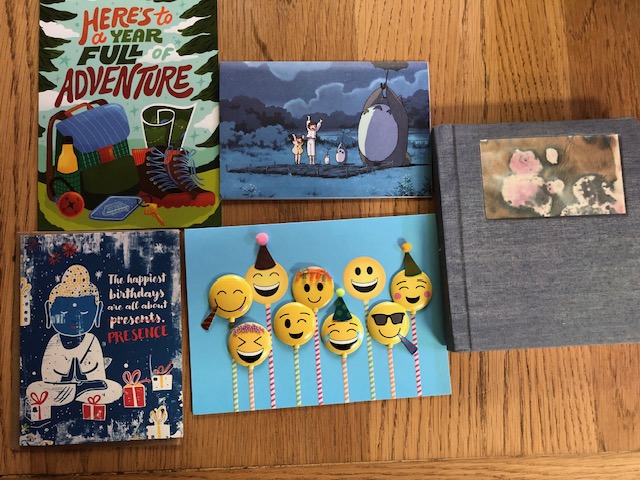
Meaningful communication is not only about speaking emotions directly. It can also be expressed through letters, cards, gifts, and by setting healthy boundaries.
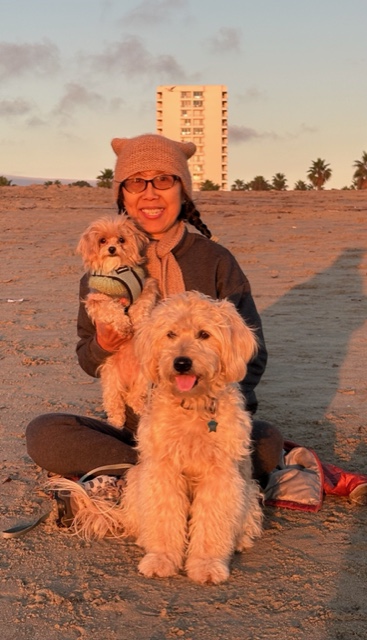
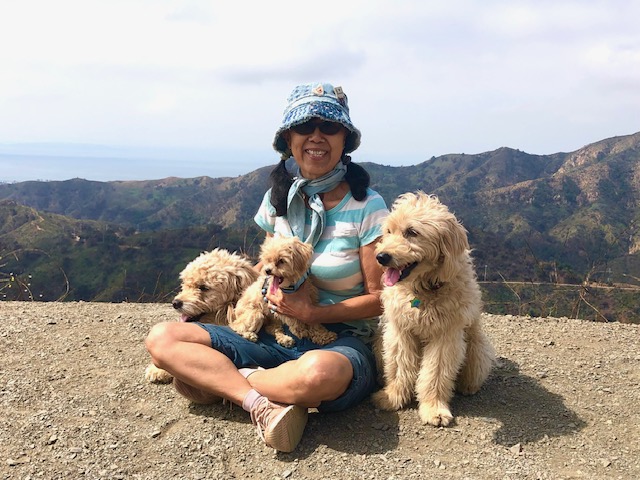
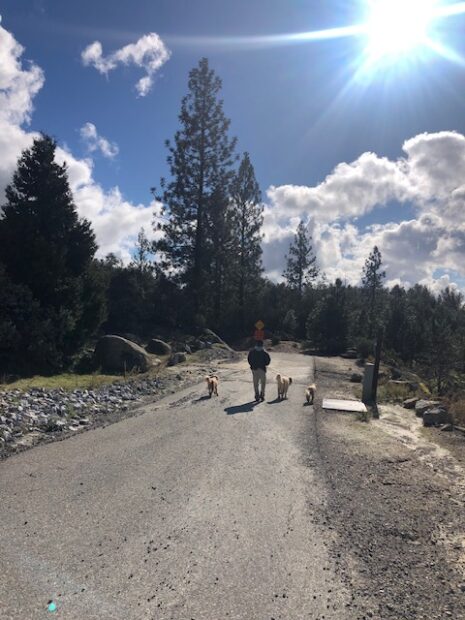
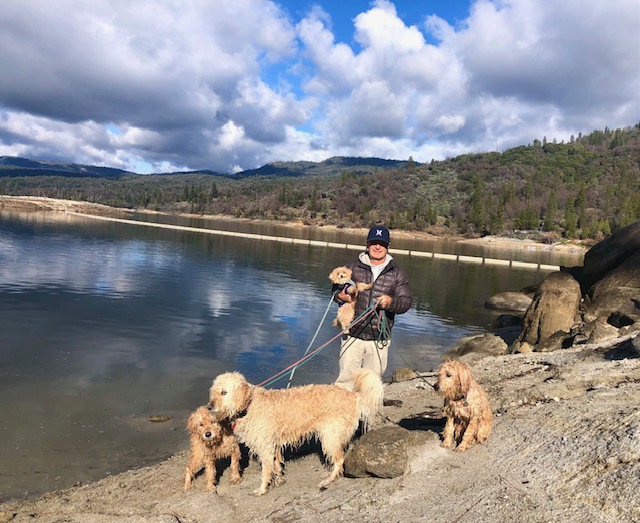
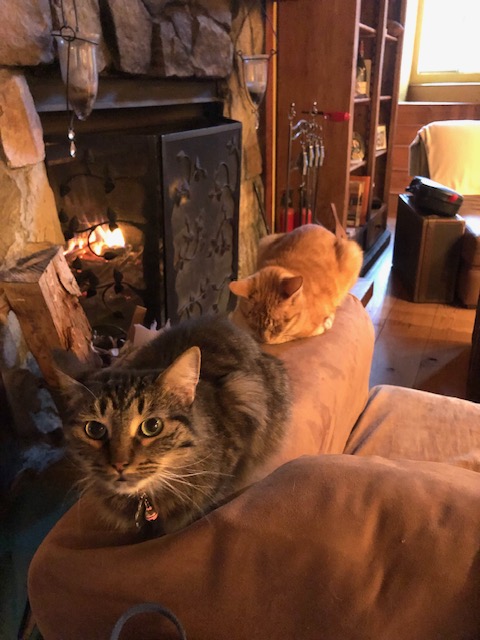
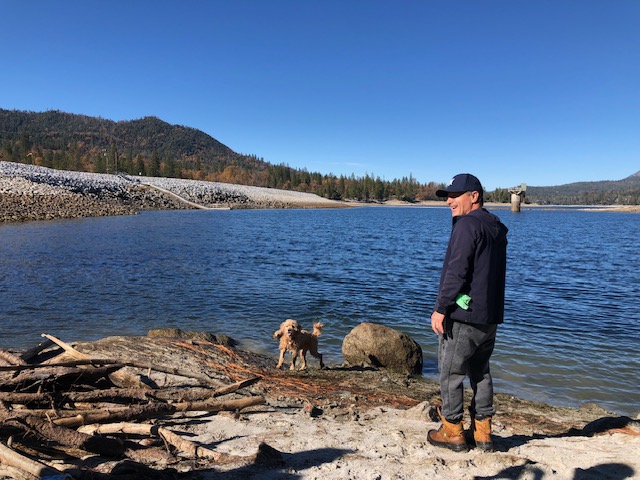
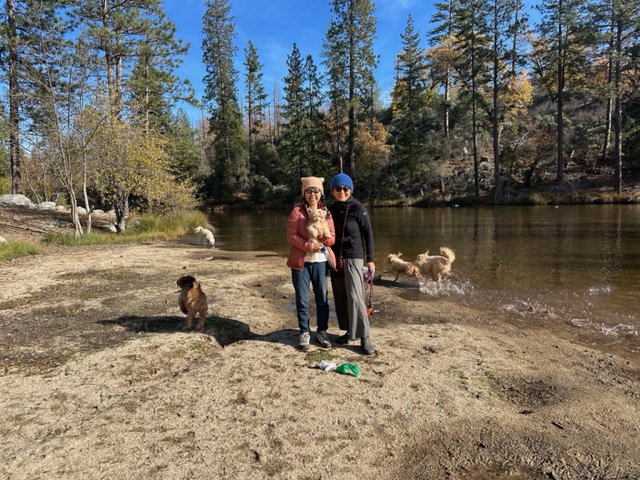
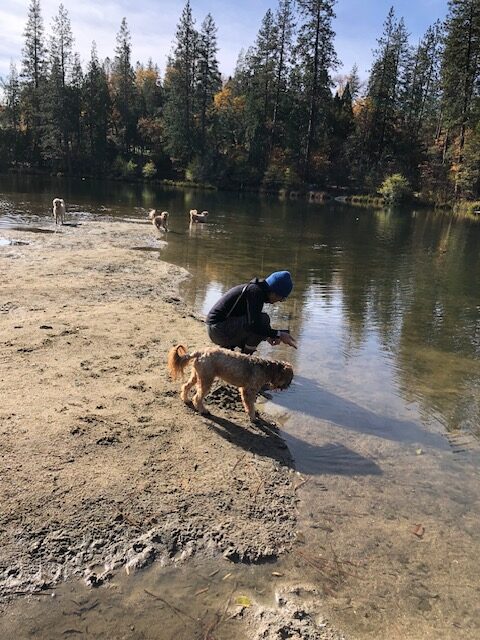
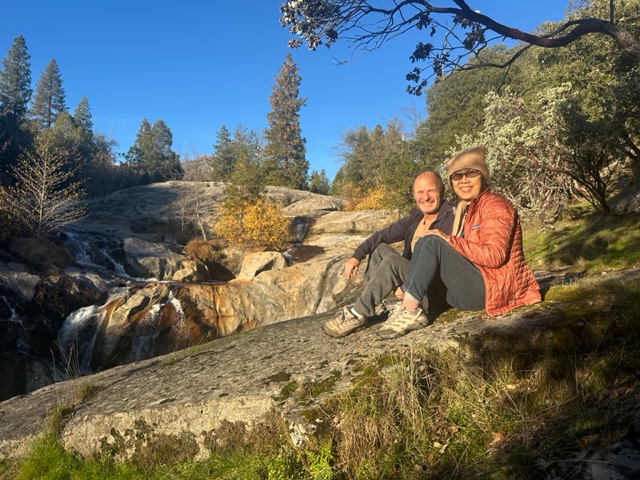
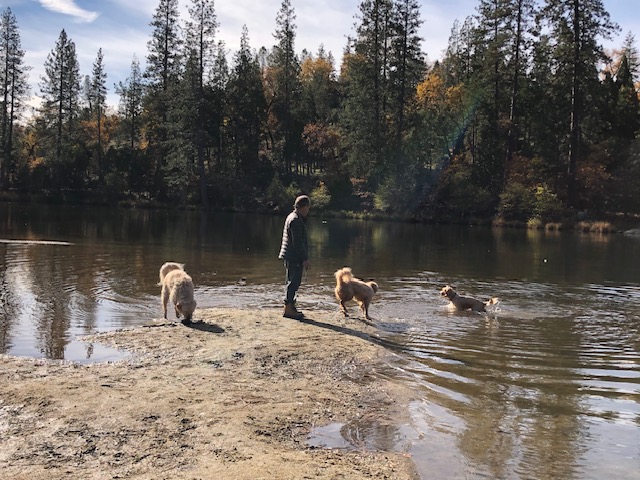
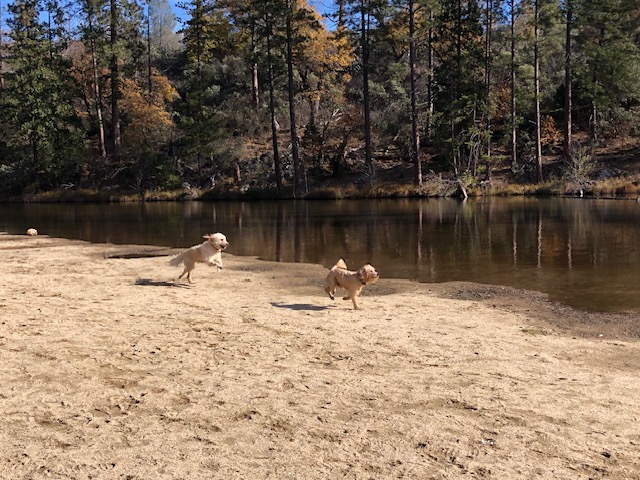
Also, being with the animal family and spending time in nature. I love cuddling my cats and going hiking with my dogs!
To stay healthy, I have been trying new ways to be more physical—building muscle and getting outside more often. Walk more steadily!
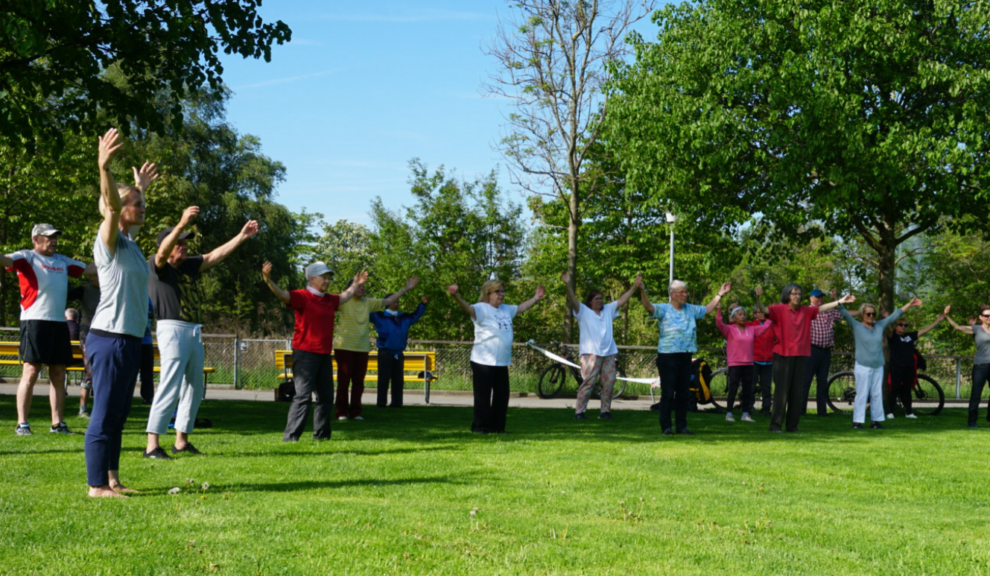
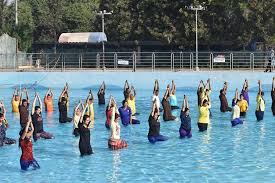
I have not been able to practice yoga regularly since I injured my left knee when a neighbor’s dog attacked me and one of my dogs, Nalu, two years ago. The Qigong class at Virginia Park has been very helpful because it is outdoors. I walk two blocks to get there and enjoy a little conversation with the people taking the class. I also tried Tai Chi for 6 weeks, but it worsened my knee pain, so I knew it was not for me right now.

I wanted to do more than Qigong and find a way to improve my knee so I could reduce—or eliminate—pain. Two years ago, after the dog attack, I had only gone to urgent care. The X-ray showed no broken bones, but my knee was already weak from previous injuries. I received acupuncture and therapeutic massage, but the knee joint is complex, involving bones, cartilage, ligaments, tendons, and muscles working together. Remembering how helpful physical therapy had been in the past, I finally went to see my primary care doctor. My doctor agreed and recommended physical therapy.
I had avoided seeing my primary doctor for a long time, but I am glad I finally did.
I attended physical therapy at UCLA Hospital off and on for about eight months. I learned that less, but more frequent movements, are better than pushing too hard. Each visit, the therapists would ask, “Any falls or injuries?” That question made me realize how important it is—especially now, at age 70—to avoid falls and injuries.
I remembered how my mother’s health declined after she felt and had a hip surgery when she was 70, and how she eventually stopped walking before she passed away. That memory stays with me.
After lymphoma and chemotherapy in 2017, I lost a great deal of muscle, and my bone structure was affected. Since then, I have been working to rebuild my bones through daily movement and supplements such as Vitamin D. I want to avoid osteoporosis and other bone diseases.
Although my oncologist recommended seeing a bone specialist, it took me three years to finally do so. I had a bone density test and learned more about my bone health. Lightweight lifting was recommended, but I do not enjoy weightlifting or going to the gym—especially because I am very sensitive to smells, so people’s perspiration bothers me so much.
It took time, but I eventually found what works for me.

Aqua Yoga became the best way to rebuild strength without causing pain in my knee. I am grateful that I did not give up and continued searching for something I truly enjoy. I feel stronger and more upright now.
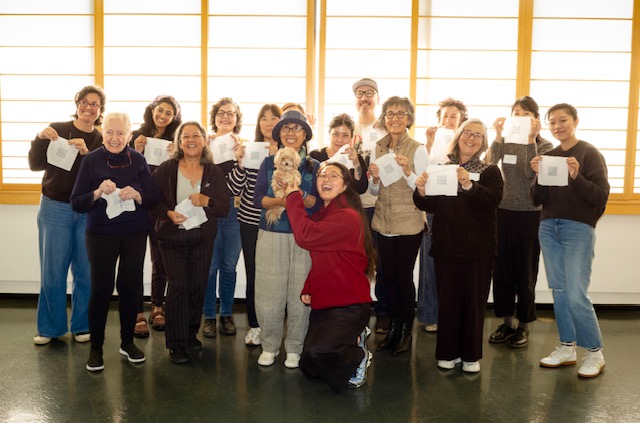
Because I stayed healthy, I was able to teach consistently—two to four times a month—for the entire year. I am deeply grateful to be teaching again.

Next year, I am scheduled to teach more Sashiko workshops, a new mending workshop at JACCC (Japanese American Cultural Community Center), and even a Macrobiotic class. I have also been invited to teach a two-day workshop at the Southern California Weaver Guild, and I am looking forward to what I can share there.
I have not taught Macrobiotic cooking itself for some time. Macrobiotics is much more than cooking—it is a holistic philosophy and lifestyle centered on balance and harmony through food, activity, mindset, and environmental awareness. It emphasizes whole, natural foods prepared mindfully to support physical, emotional, and spiritual well-being.
Through my Sashiko workshops, I have been teaching practices that support mental and environmental awareness. Recently, I was asked to teach Macrobiotic cooking and the Five Element principles, so there may be another opportunity to share that work soon.

I am deeply grateful that I was able to support Lumi in living fully until her very last breath.
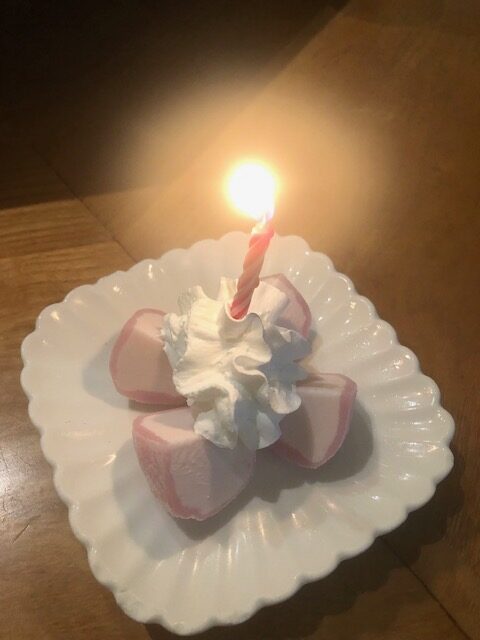
She was one of my most beloved dogs, and I still miss her every day. I was blessed to share fifteen and a half years with her, and she passed peacefully at home. Every morning, I still light a candle to honor her and feel her presence.
You can read more about Lumi here:
https://sanaesuzuki.com/2025/06/07/tribute-to-my-beloved-dog-daughter-lumi/
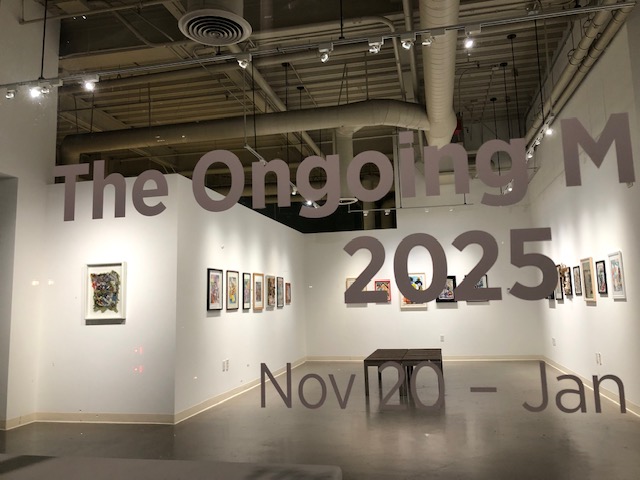
This was my third time submitting a collage to the Santa Monica Emeritus Gallery exhibition.
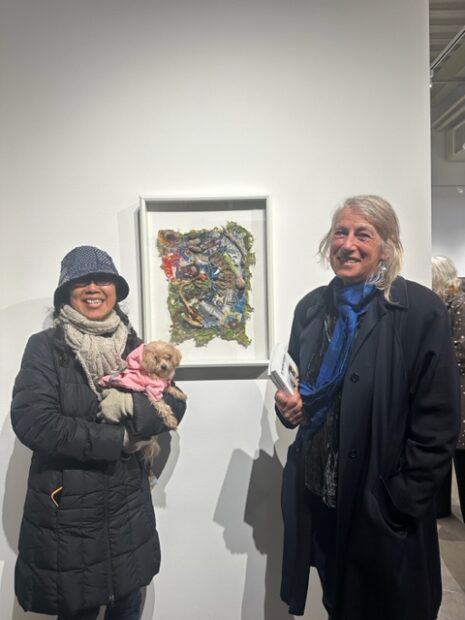
The curator, Jesse Benson, selected my piece for display alone on the first wall. When I saw it, I almost cried with joy.

The collage was created mostly from screws, metal, and seaweed I collected while walking with Lumi around our neighborhood and the beach in Cayucos. I also used postage stamps, photographs, watercolor, colored pencils, and washi paper.

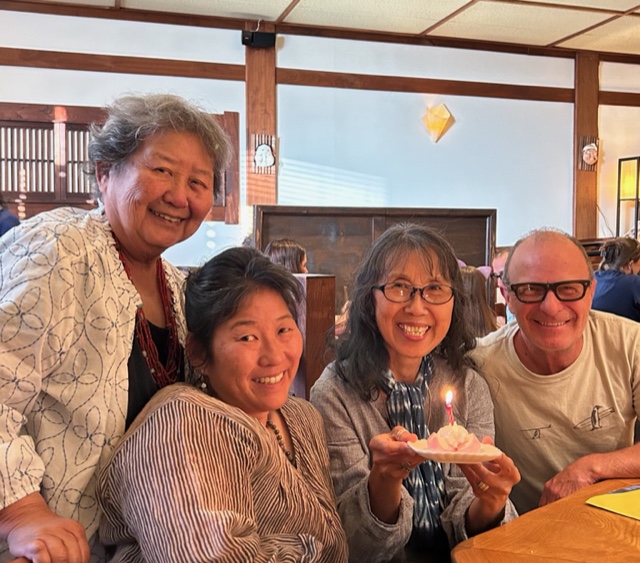
Despite the rain, many people came to the opening reception. I am grateful to everyone who took the time to see my work, especially the friends who came to support me.

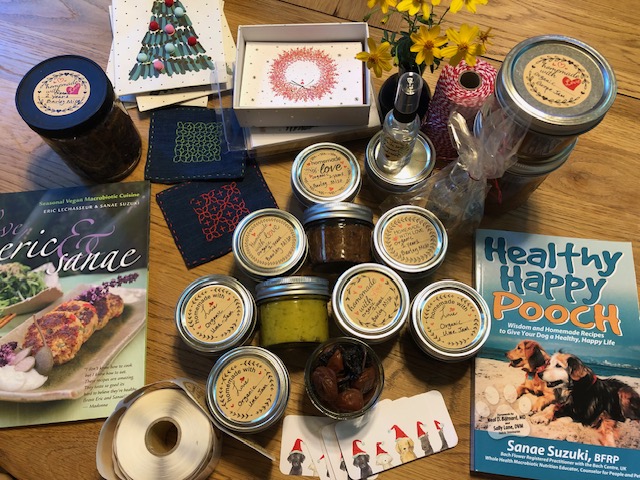
I am not sure when it started, but handmade gifts have become part of our holiday tradition.
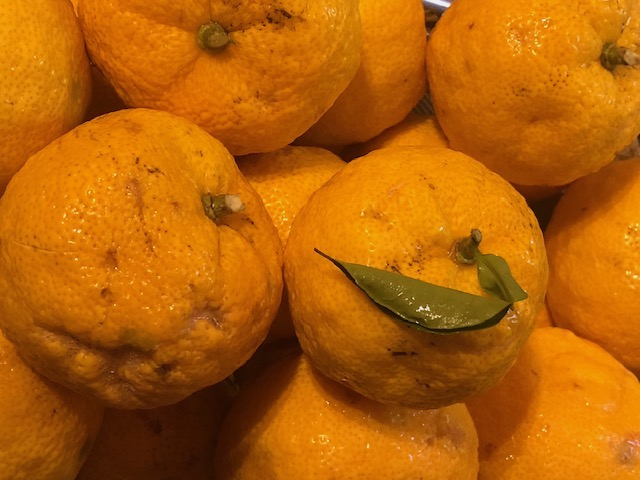
Each year, we make miso, umeboshi plums, ume plum jam, elderberry tea, yuzu kosho, and more. This year, we also made grape jam—Eric had the opportunity to harvest a large amount of grapes from Leonardo DiCaprio’s property—and yuzu jam after making yuzu kosho.
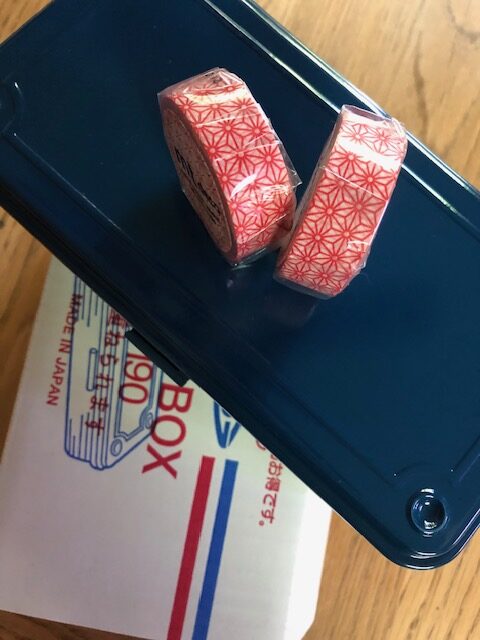
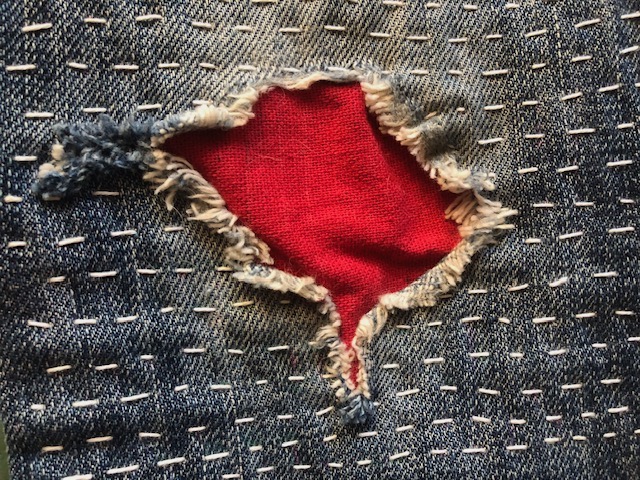
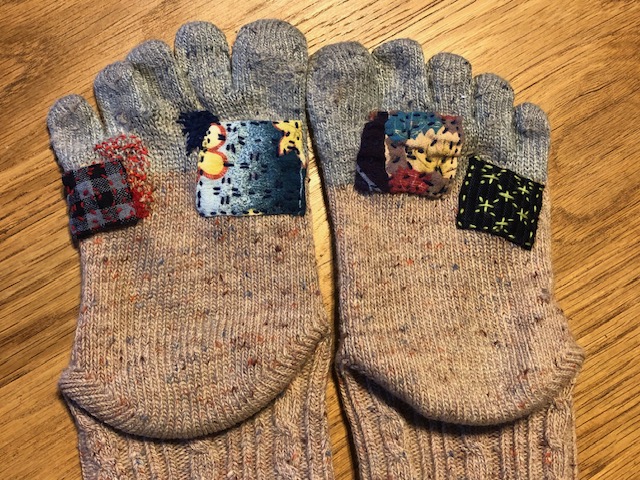
I also stitched several Sashiko pieces as gifts.
Two years ago, one of our dogs, Nalu, and I were attacked by a neighbor’s dog. At the time, I did not know how—or if—I could reconcile with the dog’s owner.
Five years earlier, Nalu had been attacked by the same dog. She was so terrified that she ran nearly two miles before being rescued. She was injured and suffered severe PTSD, becoming reactive toward other dogs for a few years. It was a heartbreaking period, though she slowly improved.
Then, two years ago, the same dog attacked again. This time, I was with Nalu and also injured. Both of us took Bach Flower Remedies to help with fear and emotional trauma.
Eventually, I contacted the dog’s owners. The wife was kind and thoughtful, but the husband was not. He denied the first attack, even though I talked to him that time once, but he never returned my calls after the second call. This time, I considered suing, but I knew it would be too stressful.
The wife left a card and a gift for Nalu, and later paid part of my medical expenses. We met for tea at a nearby café, where she shared that she was going through a divorce and no longer had the financial means to help further.
I needed to decide what would truly help me heal. I chose to focus on physical therapy for my knee. Because I do not drive, I asked her to take me to my therapy appointments, which she did.
The dog that attacked us has since passed away. I felt deep compassion for this woman—she had been through so much, not only because of the dog, but because of her marriage, the divorce, and her own losses.
She did the best she could. For the holidays, I gave her our homemade gift. I wished her well and hoped for a gentler year ahead.
I believe that money brings convenience, but not true happiness. I have not seen that wealth alone creates joy. I am at peace with the choices I made in handling this difficult situation with compassion and care.
Overall, 2025 was a deeply meaningful and fulfilling year for me.
I want to continue planting seeds, allowing them to grow and bloom, and harvesting new seeds for the future.

Thank you all for supporting me through another year.
Wishing you a healthy, peaceful, and joyful New Year.
( ̄∀ ̄)❤️
Love,
Sanae


As I wrote in my last blog, I love azuki beans.
I recommend Azuki Remedy Tea for supporting the kidneys and bladder.
If you haven’t read my blog on the Azuki Remedy Tea recipe and why it supports your kidneys and bladder, I recommend checking it out here.
When I do macrobiotics counseling, I recommend azuki bean remedy tea to many of my clients and encourage clients to make and drink azuki tea at home.
I’m often asked, “What should they do with the azuki beans after making the tea?”
The azuki beans after the azuki bean remedy tea can be used in cooking dishes or desserts.
Azuki and Kabocha Squash Dish/Stew (Love, Sanae,” cookbook page 209)
Azuki bean soup
Azuki spread (jam)/azuki glaze (Love, Sanae,” cookbook page 217)
Azuki desserts include Yōkan, Oshiruko, and Zenzai.
and more
I had been doing healing work for a client who was hospitalized in a room with central air conditioning. After visiting the hospital 2-5 times a week for 2 months, my body felt cold and started getting lower back pain, so I made an “azuki bean remedy tea” to support my kidneys and nurture myself. It made me feel warm, soothed, and relieved the pain.
I also made azuki yōkan (sweet bean jelly) with the beans after I made the azuki remedy teas for the first time in a while.
It was delicious.
I shared auzki yōkan with my new friend, Roni.
She loved it and asked me how to make it, so here is the recipe.
Azuki Yōkan Dessert’s recipe
Ingredients:
1 cup cooked azuki beans – I used the azuki beans after Azuki Remedy Tea ( Azuki Remedy Tea Blog)
4~5 tablespoons rice syrup/beet sugar
2~3 tablespoons agar*
1 teaspoon maple syrup (optional)
Fruits (optional)
1. Cooked azuki beans:
1) If the azuki beans are soft, you add a half cup of water and start heating it up, and add rice syrup or beet sugar and mix well.
2) If the azuki beans are not soft yet, then you need to add one cup of water and cook for another 30 minutes or till the beans are soft.
After the beans are soft, add rice syrup or beet sugar.
2. Once the sweetener is mixed well, you can taste it.
Make sure it is mildly sweet enough.
The Yōkan in Japan typically utilizes two types of Azuki bean paste: Tsubu-an (coarse, mashed bean paste) and Koshi-an (smooth, sieved bean paste). Additionally, it contains a significant amount of refined sugar.
I use azuki beans after cooking as it is, so I don’t make any paste, but if you want, you can also make it into a paste.
3. You add agar and mix to cook(simmer) for 8~10 minutes or so.
4. You transfer it to a mold/glass container to cool it off.
Then you can put it in the refrigerator.
5. To serve azuki yōkan, cut them like cake, and if you like, top with fruit, then serve.
You taste yōkan, and if you need more sweetener, then you might add a tiny amount (a teaspoon) of maple syrup on top.
* Agar is a food that is expected to be highly effective against lifestyle-related diseases such as obesity, high blood sugar, high blood pressure, and high cholesterol.
Sometimes, I want to make it softer like jelly or sweet sauce, then I reduce the agar or omit it altogether. I then eat it as jello or use it to make azuki glaze (Love, Sanae,” cookbook page 217) and drizzle it over cooked apples, peaches, and other fruits.
I hope you enjoy making Azuki Remedy Tea and Azuki Yōkan!
*Yōkan (羊羹) is a wagashi which, is a Japanese confectionery made of red bean paste, agar, and sugar. It is usually sold in a block form and eaten in slices.
Love,
Sanae ❤️
2025 has been an unexpectedly active year for me as I have been teaching sashiko workshops, caring for my oldest dog Lumi, and helping to heal for a long-time client who lost her husband last year.
My seasonal handwork included completing 20 pounds of Miso making in March, as well as 25 pounds of fresh Ume plum work in May (Umeboshi plums, Ume plum enzyme syrup, Umeshu -plum wine, and Loquat Tincture) in June.
I did not make time to write about them for my blog post, but summer is here.
I foraged several medicinal plants/herbs over the last two months, every month, when visiting our vacation house in North Fork, California. One of my favorites in summer forging is St. John’s Wort flowers!
They do not resemble any special flowers, so you probably missed them.

I like to use them to make infused oil or tincture, etc.
The hypericin (a substance found in St. John’s wort, credited with chemical and pharmacological properties similar to those of antidepressants) gives oil or tincture a reddish color, which is so beautiful.

They have so many benefits.
I was making today for pain and ache relief oil. I injured my legs and feet when I had a near-death car crash in 2001. I was told I would never walk. It took a long, long time, but I am walking because I never gave up making an effort. One of my daily efforts is massaging my legs, feet, toes, and hands. Yes, 365 days for over 20 years. St. John’s Wort is one of the medicinal oils I use for massage.
I usually use them fresh, but I dried them this year, and they are now ready to be mixed with oil.
They say fresh can make more potent oil, but I don’t mind creating a dried one as well since I have experienced the benefits even with dried St. John’s oil.
.
It is very easy to make, so I hope you try them.


4. Strain the oil: After the infusion period, strain the oil through a cheesecloth, muslin cloth, or fine-mesh sieve into a clean bottle. Let the oil settle for a day or two and then carefully pour off the clear oil, leaving behind any residue.
5. Storage: Store the finished oil in a cool, dark place, ideally in a dark glass bottle to protect it from light. Refrigeration can help extend its shelf life. When stored properly, the oil can last for at least 6 to 9 months, and potentially up to a year or two.
Important considerations

Happy Summer Seasonal Hand Work!
Love,
Sanae ❤️