
Looking Back at 2016
Life’s challenges come just like the waves of the ocean.
Some are big, and some are small.
2016 is almost over.
Eric and I had an opportunity to look back over the whole past year.
I wish I could write about how wonderful 2016 was, but I want to share our real life and true feelings and be honest about the many challenges we had.
The last month of the year, I usually feel sad and unable to match the outside world of cheerful faces and holiday gatherings, so I tend to stay home more, be with my dogs and cats family, and do knitting/crocheting or other hand-making projects. But two weeks ago, I was feeling run-down and unable to do what I wanted to do my daily chore.
I told Eric that I was not feeling well, and he responded, “Okay,” and then he started talking about a GoPro he was trying to get with his credit card reward points. I asked him what he meant by “Okay,” and he did not have much of an answer. We ended up having an argument that did not make any sense. We felt frustrated because we argued over nothing, and because of our argument, our cat Mai Mai got scared and started peeing all over. Tin Tin laid down in his litter box and not coming out for a few hours.

Mai Mai peed all over the house about a year ago also, when we did not know what to do with our Seed Kitchen business and we were very stressed out, so I knew this must be from stress again.
It took about a week, but I realized that I was not the only one feeling sad and tired. Eric also felt sad, tired and grieving. Eric almost never gets sick or takes sick days off from work, but he had a dry cough (which usually comes from grieving) and fever, and he had to take a day off. I was weak and had no motivation to do much. We both had bad dreams.

What did we do?
We nurtured ourselves with respect and friendly manners—meaning no arguments.
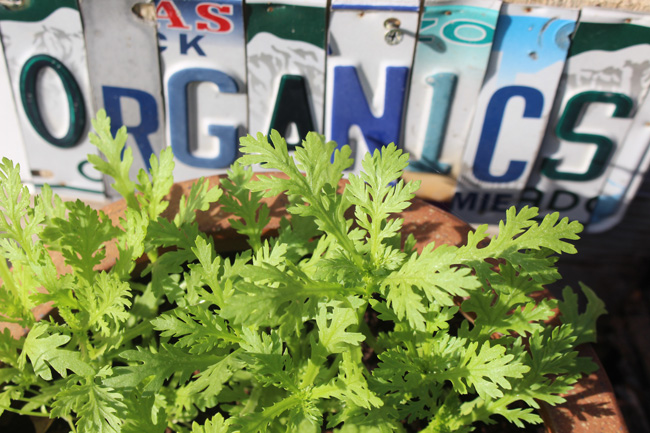
We made special remedy drinks (Lotus Root), homeopathy (Ignatia Amara for grieving), and cooked healing food, our garden wintergreen Shungiku water sauteed ; we took a warm bath with Bach Flower (Rescue Remedy and Honeysuckle) and Aromatherapy oils (Mandarin, Lavender and Clary Sage) ; we stayed in bed with a hot water bottle and slept; when we were awake, we watched good movies and cuddled; we meditated in bed and just saw our feelings as they were. We also cried and rested with our five dogs and two cats. They totally understood us and never complained. They comforted and rested with us. I think they needed this family bonding. Mai Mai stopped peeing all over.

Looking back at 2016, we realized what we lost this year was big—from my completely cracking a tooth while having a nightmare, to losing our beloved dog daughter Kula and our lifetime work Seed Kitchen. Life has struggles, no matter what; it is up to us to live as though this is a beautiful struggle or a miserable struggle.
Today, we decided that our life is a beautiful struggle, and we appreciate what we still have—I still have 31 teeth out of 32—so I am ready to move forward to 2017.
Whatever you are going through, I hope you are able to look at the bright side.
If you are not able to do so, take a rest and please nurture yourself like I am doing for myself now; that is the best remedy you can give yourself.
Thank you for your support and being our friends and family.
Wishing you a healthy and happy New Year 2017!
Love, Sanae💖
新年のレシピ:おめでとう
小豆玄米粥の名称である“おめでとう”は「病気が 治って良かったね、おめでとう」という意味でマクロ ビオティックを提唱した桜沢如一先生が名付けま した。
新年おめでとうの意を込めて、お雑煮の代わ りに食べて平静な1年をスタートするのはいかがで しょうか。
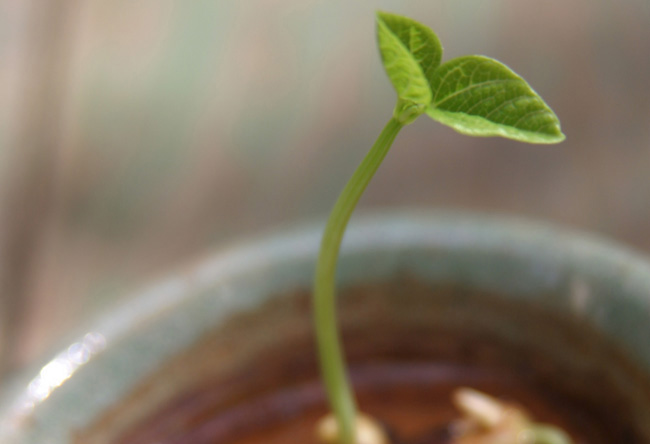
(小豆はとても力強い豆です。小豆の芽は写真のようにとても美しいです)
材料(4人分)
玄米 · · · · · · · · · · · · · · · · · · · · · · · · · · · ·1カップ
小豆 · · · · · · · · · · · · · · · · · · · · · · · · · · ·1/2カップ
水 · · · · · · · · · · · · · · · · · · · · · · · · · · ·5〜10カップ
昆布 · · · · · · · · · · · · · · · · · · · · ·2cm×2cm 1枚
炒りごま · · · · · · · · · · · · · · · · · · · · · · · · · · · ·少々

photo: Omedetou in my cat rice bowl 写真:大好きなネコお椀に盛った”おめでとう”!
作り方
圧力鍋の場合
❶玄米をやさしく洗った後、玄米の透明感がなくなりキツネ色になるまで炒る。小豆はゴミを取り除き洗う。
❷鍋に1と水、昆布を入れ中火にかける。
❸圧力がかかり、蒸気が出てきたら弱火にして40分〜1時間炊く。
❹火から下ろし、圧が抜けるまで待つ。
土鍋の場合
❶上記1〜2を参照。
❷沸騰後、弱火にして約2時間炊く。途中、鍋蓋の開
ポイント
小豆には、良質のたんぱく質はもちろん、豊 富なビタミン類(B1・B2)やカリウム、リン、 鉄、食物繊維まで幅広く含まれています。ま た、食物繊維には身体を温める効用もありま す。小豆は他の豆類に比べて、脂肪分が少な く、便秘、不眠を解消。消化がよく利尿作用もあり腎臓の働きを助けてくるので、水分代謝 が良くなり、むくみ解消にも役立ちます。
よく噛んであなたのおめでとうを食し、素晴らしい新年をお迎えくださいね。
Love,
Sanae💖
New Year Recipe: Omedetou
In the macrobiotic world, azuki bean congee has a special name: omedetou.
(Azuki beans are strengthing beans and the sprout is beautiful as the front photo.)
The word means “congratulations” and is used especially in the New Year and for happy occasions like having a baby, passing a big exam, etc. George Ohsawa (founder of the macrobiotic philosophy) named azuki bean congee omedetou for when you get well from illness. Eating this porridge in the New Year will help you have a positive mind.
photo: Omedetou in my cat rice bowl
Makes 4 servings
1 cup brown rice
½ cup azuki beans
5–10 cups purified water
1″ square kombu sea vegetables昆布 (2cmx2cm)1枚
Roasted sesame seeds
Pressure Cooker Method:
- Wash the rice gently, about three times. Roast till golden brown. Wash the azuki beans and remove pebbles, etc.
- Place the rice and beans in the pressure cooker. Add the water and kombu, cover, and heat over a medium-high flame.
- When the pressure is up, turn the flame to simmer and cook for 60 minutes.
- Remove from the flame and wait till the pressure is down.
- Serve with roasted sesame seeds.
Non-Pressure Method:
- Wash the rice gently, about three times. Roast till golden brown. Wash the azuki beans and remove pebbles, etc.
- Place the rice and beans in a stainless or ceramic pot, add water, and heat over a medium-high flame.
- When it starts to boil, add the kombu, cover, turn the flame to simmer, and cook for 2 hours.
- Remove from the flame, and wait till the pressure is down.
- Serve with roasted sesame seeds.
Enjoy your omedetou and chew well!
Love,
Sanae💖
三年番茶・Bancha Twig Tea (Kukicha)
お茶を飲むのが大好き。
日本人だから。
それと、昔、前世の私はイギリス人だったと言われたのでお茶好きなのはそれもあるかも。
7歳くらいの頃から、3時のおやつの時間は必ず番茶と一緒におまんじゅうを家政婦の加藤さんと一緒にいただく習慣ができました。緑茶は子供には強すぎると言って加藤さんは番茶を飲ませてくれました。
17歳の時に表千家のお茶を習いに行くようになり、初めて抹茶をいただくことになりました。とってもクリーミィな下味でアロマ的な後味を感じました。抹茶はカフェインが高いので特別な時にしか飲めませんが、三年番茶はカフェインもほとんどなく穏やかな味なのでよく飲みます。ハーブティーも時々飲んでます。
三年番茶にりんごジュースを入れて飲むのも身体が疲れて硬くなってしまっている時にリッラクスするのにとても効果的です。
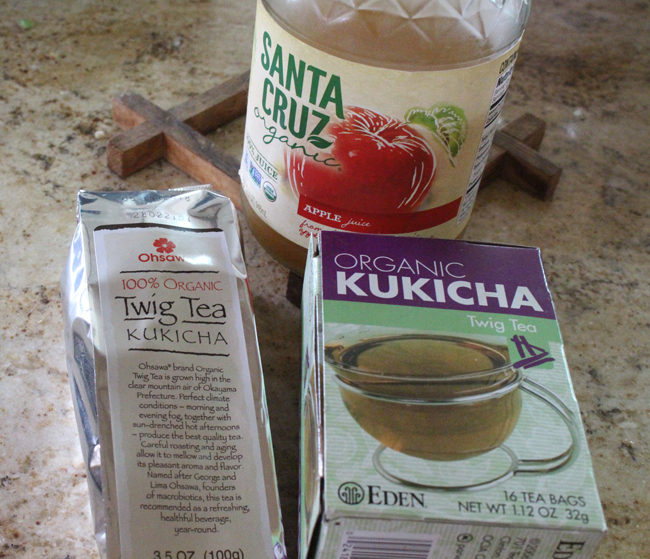
アメリカではエデン(自然食会社)が三年番茶のティーバッグを出しているので、旅行の時や外出する時は便利です。

写真:りんごジュースと三年番茶ミックス
なぜ日本では、三年番茶と呼ぶのか気になって調べて見ました。
お茶の原料は、緑茶というところは同じですが、三年番茶と普通の番茶とでは出来上がるまでの加工の仕方に違いがあることがわかりました。
一般的な普通の番茶は、緑茶の新芽を摘み取って乾煎りします。
その後、茶揉みをすれば出来上がりです。
一方、三年番茶は、新芽の部分ではなくて、その下の葉と茎を摘み取ります。
そして、摘み取った葉と茎を天日に干してから三年間醸造させます。
その後、焙煎して出来上がりのです。
三年番茶は随分と手間をかけて作られていることがわかりますが、この手間によって飲みやすさにも違いが出てくるようです。
普通の番茶は、緑茶と同様にカフェインやタンニンなどの刺激物質が含まれています。
一方、三年番茶は、三年間醸造している間にカフェインやタンニンが抜けてしまいます。
刺激が抑えられている三年番茶は、健康志向の方はもちろん、お子さんや妊婦さんでも安心して飲むことができるのです。
三年番茶の効果・効能
■身体を温める効能
マクロビオティックの観点では、バランスのとれた「中庸」に当たります。
身体を冷やす陰性の逆の陽性の性質ですので、ポカポカと温めてくれる効能があります。
冷え取りにはおすすめ。
■消化・吸収を良くしてくれる
食事の際に飲むことで、消化・吸収が良くなります。
食欲不振などの症状を緩和する効能が期待できます。
■アンチエイジング
カテキンが豊富に含まれていて、ビタミンCの吸収率を高めてくれます。
その結果、抗酸化力のアップにつながってきますので、老化しにくい状態を維持できます。
若々しい身体づくりには最適ですし、お肌の若返りにも効き目があるかもしれませんね。
■デトックス効果
三年間熟成させている間に醗酵が進んでいますので、腸内の老廃物を追い出すデトックス効果をもたらしてくれます。
便秘症の方にはうれしい効果です。
■ウィルスの増殖を抑える
殺菌作用があるので、体内にウィルスが侵入してきても増殖を抑える効果が期待できます。
三年番茶の副作用
健康に良いとされる三年番茶ですが、元々は緑茶と同じ茶葉を使っていますので、カフェインやタンニンなどの刺激物質が含まれているのではないかと不安になってしまう方が意外とたくさんいらっしゃいます。
しかし、三年番茶は緑茶の茶葉をしっかりと発酵させていますので、発酵する過程でカフェインやタンニンなどの刺激物質が抜けてしまいます。
ですから、本来はカフェインやタンニンによって胃腸に刺激を感じるといった副作用が出る方であっても、三年番茶の場合はそのような副作用が出ることはありません。
緑茶は殺菌作用や免疫力を高めるために健康に良いお茶とされていますが、体を冷やし、内臓の弱い方は代謝を悪くしてしまう可能性があります。
健康効果が期待できるものの、副作用が懸念されますので、体質や体調が不安定な方は常用しないほうが良いでしょう。
その点、三年番茶は緑茶の殺菌作用や免疫力を高める効果はそのまま残しつつ、緑茶の欠点となる部分を克服した副作用のない理想的な健康茶です。
体質がデリケートで、刺激性の強い成分を避けたい方でも毎日安心して飲める自然飲料と言えるのです。
カフェインに究極敏感な方や妊婦さんなどには、三年番茶の代わりにたんぽぽ茶をお勧めします。ノンカフェインなので飲みやすいです。
三年番茶の作り方
やかんに水1リットルを入れ、火にかけて沸騰させます。
沸騰したお湯の中に茶葉10~10グラムを入れ、弱火で2~3分煮出します。
ここで大切なのは、グラグラと煮立ったままのお湯で煮出すのではなくて、必ず弱火にしてから煮出すこと
そうすることで、苦味が出たり風味が飛んでしまったりすることがありません。
また、直接茶葉を入れずにパックに入れた場合は少し長めの時間煮出しましょう。
そして、火を止めてから茶葉を取り出せば美味しい3年番茶の出来上がりです。
急須で淹れる場合
急須に茶番4グラム(1人分)を入れ、沸騰したお湯を注ぎます。
2~3分待てば美味しい3年番茶の出来上がりです。
3年番茶は入れてから8時間程度は効能が弱まることもありませんし、一度冷めてしまったお茶は温め直しても苦味がでることがありません。
飲みやすくて健康に良い3年番茶をご自身のお好みのスタイルで味わってみましょう。
飲み方のいろいろ
三年番茶は色々な飲み方を楽しむことができます。
そこで、おすすめの美味しい飲み方をご紹介したいと思います。
いつもの飲み方:
シンプルに、ステンレスのやかんで煮出して飲む方法です。
やかんに水1リットルと茶葉15グラムを入れて、水から中火にかけます。
沸騰したら弱火 にして20分煮出します。
また、急須で淹れて飲むのもシンプルで飲みやすい方法です。
急須にティースプーンに山盛り3杯の三年番茶を入れて、90℃くらいのお湯を注いで30秒ほど蒸らします。
りんごジュースに混ぜる
これは甘いので子供も大好きです。浄水半分とりんごジュース半分。冬は温めて。
梅醤番茶
この飲み方は、マクロビオティックでも人気のおすすめレシピです。
◆用意するもの
・梅干し 1個
・純正醤油 大さじ1
・生姜汁 2滴
・三年番茶
◆作り方
・梅干の種を取って湯のみ茶碗に入れて、醤油と生姜汁で練ります。
・熱い三年番茶を注いで混ぜれば出来上がりです。
身体をポカポカと温めて、免疫力を高めてくれますので、三年番茶を使った代表的な健康万能レシピと言えます。
梅干番茶

写真:梅干番茶
こちらは、疲れのある方におすすめのレシピです。
梅干1個に熱い三年番茶を入れて、種だけ残して飲むだけ。
梅干しのクエン酸が疲労回復に効きますよ。
また、血液を浄化する作用も期待できます。
血液サラサラ効果で、生活習慣病予防や美肌にも効き目がありそうです。
醤油番茶
こちらは、醤油の香りがアロマ的な作用をもたらしてくれるレシピです。
自然醸造の醤油2滴をたらし、熱い三年番茶を入れて飲みます。
この飲み方は、ホルモンの分泌を安定させてリラックス効果を生みます。
イライラ予防や寝る前のリラックスタイムにピッタリだと思います。
風邪予防の飲み方
インフルエンザやノロウィルスなど、風邪ウィルスが流行る時期にも三年番茶はおすすめです。
風邪の予防とひき始めのケアには、梅醤番茶を飲むのが効果的。
梅干、醤油、生姜汁に熱い三年番茶を注いで混ぜたものを飲むだけです。
風邪ウィルスの殺菌になりますし、その上、風邪をひきかけて低下している消化機能や循環機能を正常化させ、身体を元気な状態に回復してくれます。
また、塩番茶にすると、のどの風邪に効き目があります。
のどが痛む時には、天然塩を入れた塩番茶でうがいをするのがおすすめ。
殺菌作用によって、のどの痛みを早く取ることにつながります。
どうぞ、お試し下さいね。
Love, Sanae💖
Bancha Twig Tea (Kukicha)
I love tea.
Yes, I am Japanese.
I’ve also been told that I was English in a previous life so that naturally gives me the title of “Tea Lover.”
Since I was about 7 years old, one of my favorite things was taking a tea break with my mother’s housekeeper, Mrs. Kato. We usually had bancha (harvested from the same tree as sencha grade, but it is plucked later than sencha, giving it a lower market grade). It is considered to be the lowest grade of green tea. There are 22 grades of bancha. Its flavor is unique; it has a stronger organic straw smell than sencha (a type of Japanese ryokucha/green tea prepared by infusing the processed whole tea leaves in hot water). Mrs. Kato said sencha was too strong for a child, and usually, it is for guests. I tried some, but I did not like it because it tasted bitter.
I started to learn Japanese tea ceremony when I was 17 years old. I used macha, a finely ground powder of specially grown and processed green tea. It was very creamy, and its aromatic taste matched the Japanese tea ceremony sweets. Macha is for special times, but it is high in caffeine. I am not able to drink it most of the time since I am sensitive to caffeine now, so my favorite tea became non-caffeinated herbal tea, like rosehip tea and bancha twig tea (kukicha).
Kukicha is very low in caffeine. Most of the caffeine is in the leaves, which are not used, and the rest is reduced by the aging process. Kukicha is called “three-year bancha” in Japan, because after the stems, stalks and twigs of the tea are picked, they are dried in the sun and aged for three years before roasting. I usually do not feel any caffeine effects, and it is safe for children to drink.
Kukicha has a unique flavor and aroma among teas, due to its aging process and becoming more alkaline. And the benefits of kukicha are numerous. It is an important part of the macrobiotic diet and is thought to lead to stable health and longevity.
It also good to add apple juice when you want to have a little sweet taste when your body gets too tight and need to relax. I usually add a half purified water and a half apple juice and heat up. You can add a slice of apple too.
I use Eden’s Tea Bag for when I am traveling or going out for lunch/dinner. It still give a good taste of Kukicha.
Benefits of Kukicha Tea
Most of the benefits of kukicha tea stem from its alkalizing properties. Prevention of numerous diseases is achieved through alkalization of bodily fluids and tissues and consequent balanced levels of acidity. A diet containing white flour, sugars, dairy products, eggs and meat raises the body’s acidity and eventually results in fatigue, premature aging, weakened immune system, heart, kidney or bladder conditions, and problems with weight, joints and bones. A body containing too much acid draws minerals from bones and other organs and stores fat.
Twig tea (kukicha) is abundant with minerals like copper, selenium, manganese, calcium, zinc and fluoride, as well as A, C and B-complex vitamins and flavonoids. Like green tea, it contains polyphenolic catechins, which are famous for their anti-cancer action. The most powerful of these substances is epigallocatechin, which prevents cancer by discouraging the growth of tumors and stopping it from spreading within cells. Kukicha is also known to promote digestion. Moreover, it has a high content of tannin, which helps clean the body from toxins. Tannin can even free the body from nicotine and radioactivity, which is why it is recommended for people who take many medications.
Similarly to green tea, kukicha regulates the levels of blood sugar, and by lowering high blood pressure, it prevents strokes and heart disease. Being an immunity booster, it helps combat virus-induced colds and flu. Kukicha can also promote weight loss, slow down the aging process, and prevent ulcers. When brewing twig tea, it is important to use hot water, but not boiling. Once boiled water has cooled, the tea is steeped for three minutes at the most. It can also be served cold, with the addition of apple juice, and enjoyed throughout the day—even by children.
Many health benefits may be gained from drinking kukicha, including:
- Contains six times more calcium than cows’ milk, helping to build bone density
- Contains 2.5 times more vitamin C than oranges
- Reduces high blood pressure
- Helps with digestion
- Combats fatigue
- Benefits people suffering from bladder infection and heart diseases
- Reduces the risk of certain types of cancer
- Fluoride helps reduce plaque and bacterial infection
- Helps lower cholesterol levels
- Low in caffeine
- Burns fat
How to Make Twig Tea (Kukicha)
2–3 cups purified water (depending on how strong you want to make the tea)
1 tablespoon twig tea (kukicha)
Place the water in a teakettle, and bring to a boil. Place the twigs directly in the pot or in a tea ball. Reduce the flame to low, and simmer 3–5 minutes. If adding the tea directly to the pot, strain through a tea strainer when serving.
Umeboshi Plum With Twig Tea (Kukicha) Remedy
https://sanaesuzuki.com/2016/11/30/california-organic-umeboshi-plums-and-recipe/
Winter Baking Class: Plant-Based, Vegan, Macrobiotic Desserts
I love desserts, so when I became a plant-based, vegan, macrobiotic person to heal myself, the hardest thing was not eating desserts that had refined sugar, butter, cream and eggs. It is my weakest link, but my husband Eric rescued me—and can rescue all of you if you have this weakness like I do. He makes plant-based, vegan, macrobiotic desserts so tasty and healthy you won’t believe it.

I had to beg him to do a winter baking class, so we are offering it on Sunday, December 11th, at Studio Mgen in Santa Monica. I hope you’ll join us and taste the real plant-based, vegan, macrobiotic desserts that you can enjoy without guilt.
I hope you’ll join us and taste the real delicious plant-based, vegan, macrobiotic desserts that you can enjoy without guilt.

Sunday, December 11, 2016
12–3pm
$100
Studio Mugen, Santa Monica
Learn how to bake delicious, healthy, macrobiotic desserts with chef Eric Lechasseur and Sanae Suzuki, so for the rest of the holidays, you do not have to eat sugary, unhealthy desserts. Please email sanaehealing@gmail.com or seedkitchen@gmail.com to save your spot.
SAMPLE MENU:
- Two Kinds Scone 1) fruits/azuki 2) savory
- Two kinds of baked Donut 1) maple-glazed 2) strawberry-kuzu-glazed
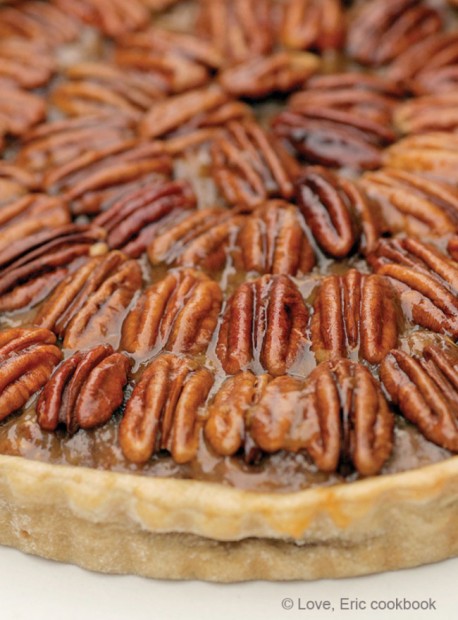
- Amazake Pecan Pie
- Grain Café Au Lait
If you can’t come to the class, you can purchase Eric’s stunning plant-based vegan and macrobiotic desserts cookbook, “Love, Eric Revised” and learn how to make healthy delicious desserts at your home.

I am so excited because I usually can’t find any good quality delicious plant-based, vegan macrobiotic baking desserts anywhere.
I get to help the class and able to eat them!

Love,
Sanae