晩夏の陰陽五行エネルギー(脾臓・膵臓・胃)薬草クラス

6月から私の住んでいるサンタモニカ、サンセットパークエリアに75年も前にオープンした植木屋さんメリヒューサンセットガーデンで屋外の薬草クラスを始めました。 

前回はお家で育てられる薬草茶(レメディ)作りで5種類の薬草を紹介してみんなで作って飲みました。
その時のリンクはこちら。


今月のクラスは8月28日(日)晩夏の陰陽五行エネルギー膵臓、胃などをサポートする薬草茶を7種類の薬草をブレンドして試飲。
その他、日差しの強い夏を過ごした私たちの肌を回復させ活性化し補助するオイルとトナーを薬草と薬花で作ります。

市販のスキンケアーは素材がオーガニックでナチュラルなものであってもインフィーズする段階を早めるために活性剤を使い、そして防腐剤などを使います。
手作りのスキンケアーは薬草(薬花)をオイルなどの液体に4〜6週間浸して作ります。
時間はかかりますがこれはお料理の味噌、梅干しなどを作る時も同じです。麹を使ってゆっくり作る味噌は3年。梅干しも塩辛いだけでなく、漬けてまろやかな塩味と梅の持っている酸味と甘味、梅干しの薬効が染み込ませるには3年はかかります。
気長にゆっくり植物の持つ自然の効能を引き出す方法で本当に私たちにとってやさしく肌を守り、修整スキンケアー作り。
気長にゆっくり作る晩夏の薬草クラスです。

私たちの肌は内臓とは違い外部にありますが臓器のひとつです。健康のバロメーターとして内臓が弱っていたりケアーが必要な時に最初にサインとして信号を送ってくれる大切な臓器。

普段はみんな肌の大切な役目に気がつかないで何もしてあげなかったり適当に市販のクリームなどを塗っている人が多いのです。このワークショップを通してみなさんにお家で簡単に作れる(浸けておく時間は長い)スキンケアーを是非ご紹介します。大切な肌をケアーしてあげましょう。

肌が一番サポートを受けるのは秋(肺と大腸)の季節ですが夏の暑い強い日差しを受けた肌をケアーしてプロアクティブに肌を守ってあげるクラスです。

大好きなカレンデュラ、ラベンダー、ヘリクリサムなどでインフィズオイルとトナーを作ります。


日にち:8月28日(日)
時間:午後3時から4時半
料金:一人$40
場所:メリヒューサンセットガーデン
1526 Ocean Park Boulevard
Santa Monica, CA 90405
クラスは野外ですのでドッグOKです。

時間があって参加できる方は来て下さいね。

参加はこちらのサイトから


今回の薬草茶に使う薬草の内臓サポートは: 

1)ビーバーム:膵臓、胃、膀胱


Energetics: aromatic, acrid, bitter, warm

 Meridians/Organs: spleen, stomach, urinary bladder

 Herbal Actions: diaphoretic, anti-inflammatory, antimicrobial, antispasmodic

2)甘草:心臓、肺、膵臓、胃

Tonify Qi

 Energetics: sweet, neutral- often used as a harmonizing herb

 Meridians/ Organs: heart, lung, spleen, stomach – enters all 12 channels

 Part used: the root 

 Herbal Actions: qi tonic, expectorant, demulcent, mild sedative

3)ミカンの皮:肺、膵臓、胃


Regulate Qi

 Energetics: acrid, bitter, warm, aromatic

 Meridians/ Organs: Lung, Spleen, Stomach

 Herbal Actions: carminative, aromatic, expectorant, tonic


4)フェンネルの種:膵臓、胃、腎臓、肝臓


Warm the Interior- expel Cold

 Energetics: spicy, sweet, warm

 Meridians/ Organs: spleen, stomach, liver, kidney

 Actions: stimulant, carminative, antispasmodic, expectorant

5)生姜:心臓、肺、膵臓、胃、腎臓

Warm Acrid Release Exterior

 Energetics: Spicy, hot

 Meridians/ organs: heart, lung, spleen, stomach, kidney

 Herbal Actions: stimulant, antispasmodic, carminative, emmenagogue, diaphoretic


6)カルダモン:肺、膵臓、胃


Transform dampness

 Energetics: acrid, warm, aromatic

 Meridians/ Organs: Lung, Spleen, Stomach

 Herbal Actions: carminative, expectorant

Here is the link to join the workshop.

Love, Sanae ❤️
Late Summer Medicinal Plants Workshop: Support Spleen and Stomach 

I started “Medicinal Plants” outdoor workshop at Merrihew’s Sunset Garden in Santa Monica near my house last June!

In the last workshop, I introduced at least five medicinal plants you can grow in your garden, infused tea and taste them.

The link from the last workshop.

https://sanaesuzuki.com/2022/06/12/medicinal-herbs-and-plants-tea-workshop/


This month’s workshop will be this coming Sunday August 28th.


Learn how to make three different herbal infusions.

1. Oil for skin (moisturize)

2. Toner for skin (refresh and hydrate)

3. Tea for supporting stomach/spleen/pancreas (late summer organs in Chinese medicine)

I will introduce at least seven different medicinal plants to support Late Summer Five Elements organs: Spleen, stomach, etc., and how to make organic plant-based skin remedies: infusion oil for moisturizer and infusion toner for refreshing and hydrating skin. 

During summertime, our skin receives hot intense sunlight and needs care and nurturing.

Skin is the largest organ and often shows the first signs of your health and inflammation.

The skin may not like vital organs compared to internal organs like the liver, kidney, heart, lungs, or brain. After all, the skin is with us always, and we can see, touch, and feel the skin. In this workshop, I want people to realize how much skin is working hard to protect us, and the skin deserves the best care from us.

Commercial skin care products are so harsh; many have unhealthy ingredients and are not sustainable for the environment.

Even natural skin care products are not the best for our skin. Even if they use organic ingredients to make the products, they have to use activation materials, so the production can be done in a short time, so they sell quickly. And they have to add preservatives to last a long time. 

Homemade botanical skincare takes time (6~8 weeks) to make. It needs to be patient to make and let natural power add organically to infusion. Gentle and nourished—one of the best ways to care for and nurture the skin.

Skin organs are autumn: Lung and large intestine, but I recommend starting late summer organs: spleen/pancreas and stomach; that is a more proactive way to take care of the skin.

My favorite herbs to infuse oil and toner for skin care are calendula, lavender, helichrysum, chamomile, rose, and more. In this workshop, I will use calendula to infuse oil and helichrysum to infuse toner.

I will also introduce six different ingredients to make blending medicinal tea for late summer.
These are ingredients and their actions (REFERENCES from Five Elements with Western Herbs- Kate August at California School of Herbal Studies)


Workshop:

Sunday, August 28th, 3~4:30pm

Merrihew’s Sunset Garden 

1526 Ocean Park Boulevard, Santa Monica, CA 90405 

– outside classroom next to the chicken coop

$40/person

Here is the link to join the workshop.

This workshop medicinal plants energies and actions: 

1. Bee Balm – 


Energetics: aromatic, acrid, bitter, warm

 Meridians/Organs: spleen, stomach, urinary bladder

 Herbal Actions: diaphoretic, anti-inflammatory, antimicrobial, antispasmodic

2. Licorice-

Tonify Qi

 Energetics: sweet, neutral- often used as a harmonizing herb

 Meridians/ Organs: heart, lung, spleen, stomach – enters all 12 channels

 Part used: the root 

 Herbal Actions: qi tonic, expectorant, demulcent, mild sedative

3. Tangerine Peel –

Regulate Qi

 Energetics: acrid, bitter, warm, aromatic

 Meridians/ Organs: Lung, Spleen, Stomach

 Herbal Actions: carminative, aromatic, expectorant, tonic


4. Fennel Seed-


Warm the Interior- expel Cold

 Energetics: spicy, sweet, warm

 Meridians/ Organs: spleen, stomach, liver, kidney

 Actions: stimulant, carminative, antispasmodic, expectorant

5. Ginger-

Warm Acrid Release Exterior

 Energetics: Spicy, hot

 Meridians/ organs: heart, lung, spleen, stomach, kidney

 Herbal Actions: stimulant, antispasmodic, carminative, emmenagogue, diaphoretic


6. Cardamom-


Transform dampness

 Energetics: acrid, warm, aromatic

 Meridians/ Organs: Lung, Spleen, Stomach

 Herbal Actions: carminative, expectorant

Here is the link to join the workshop.

Love, Sanae ❤️
野菜たっぷりビーガン「冷やし中華」

名古屋生まれて育って麺を食べるの大好き。

夏はざる蕎麦、素麺や冷や麦も好きだけど必ず食べたくなるのは冷やし中華。冷やし中華って私にはラーメンサラダ!

マクロビオティックを始めてビーガンのラーメン麺を見つけて、レストラン”Seed Kitchen”をやっていた時は冬の間は女神味噌ラーメンをたくさんのみなさんに食べていただいたのが懐かしいな~。

ここサンタモニカは日本のような蒸し暑さではないけど、エリックにも冷やし中華を食べてもらって好きになってもらったので今年も作ったよ。

冷やし中華とざる蕎麦に比べてみると。。。冷やし中華は食べた後、気持ちが軽くなってハッピーなクールさ。ざる蕎麦のクールさは落ち着いた満足感。

上にのせる具はお好みで変えればいい。

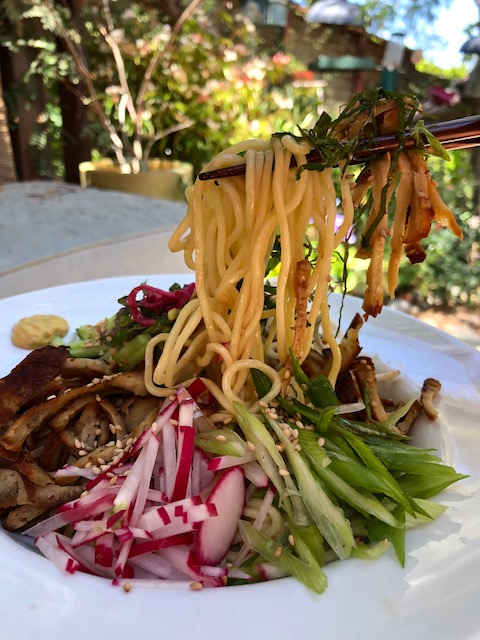
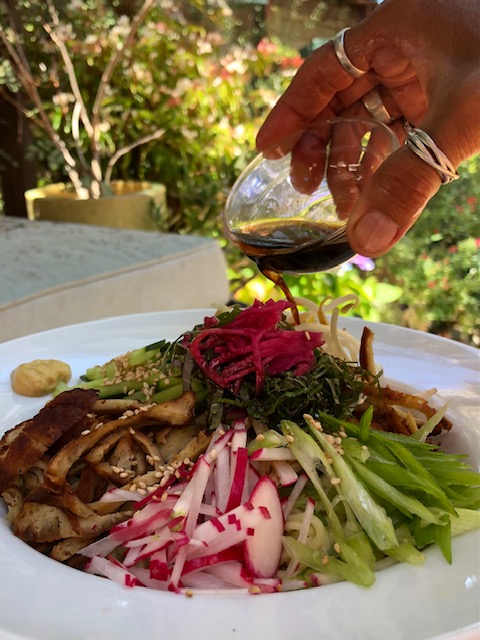
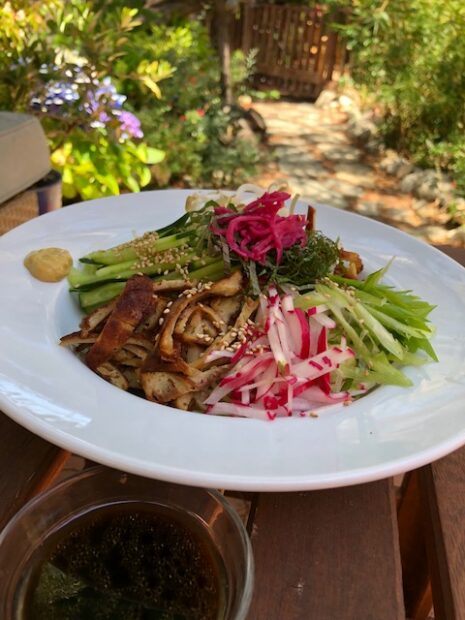
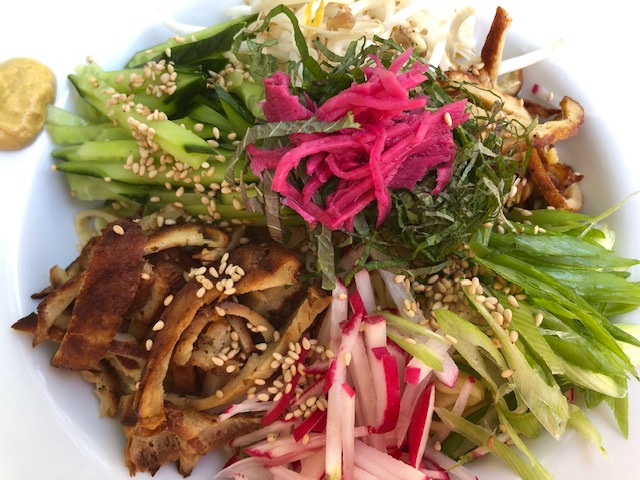
私は今回、きゅうり、レッドラディッシュ、セイタン、ねぎ、青紫蘇、自家製の紅生姜、辛子をサイドにたまり醤油のゴマソース。

お店で冷やし中華のパックを売っていたのを見たことあるけど、たくさんグルタミン酸ナトリウム(MSG)添加物入ってるから使いません。ビーガンのラーメン麺はこの辺では最近買いやすいけど、もしなかったら違う麺で試しても新しい発見かも。

野菜たっぷり「冷やし中華」レシピ

材料 (2人分)

★ビーガン中華麺 2玉

★きゅうり(千切り) 1〜2本

★レッドラディッシュ(千切り)2個

★ねぎ小(千切り)2本

★セイタン(細切り)2枚

★自家製紅生姜

■ タレ

★たまり醤油 大さじ6

★レモンジュース 大さじ2(甘味にしたい時はオレンジジュース)

★昆布だし*または水 大さじ2 (*昆布だしレシピは Love, Sanae から)

★みりん 大さじ2

★炒りゴマ 大さじ1

★ゴマ油 大さじ1

★すり生姜 小さじ1/4

★ ラー油 小さじ1/2~1 (好み)

★辛子(好みでサイドに付ける)

作り方:

1。タレを混ぜておく。

2。中華麺を2~3分ゆでる。茹で上げ水で洗っておく。

3。野菜などを切る。

4。皿に中華麺を盛りその上に野菜などを盛り付ける。辛子などを少しサイドに付ける。タレは食べる前に好みの量をかける。

コツ・ポイント:具は好みで変えたり、付け足してください。


Bon appétit! 

Love,

Sanae ❤️

Vegan Hiyashi Chuka (Cold Ramen)

I grew up loving Japanese noodles of udon, soba, ramen, hiyamugi, and somen so much!

One of my favorite noodle dishes in summer is Hiyashi Chuka (Cold Ramen). It is “Ramen Salad” to me!

When I started to eat vegan plant-based macrobiotic food in 1993, I thought I had to give up eating ramen noodles, but I found some companies were making vegan ramen noodles in 2005 and had been enjoying them since then. 

Eric and I served Goddess Miso Ramen in the winter season at our “Seed Kitchen” restaurant in 2008~2016.

Summertime ramen must be Hiyashi Chuka (Cold Ramen). I had to introduce it to Eric.

We do not have hot, humid summer here in Santa Monica like in Japan, but I crave to eat Hiyashi Chuka (Cold Ramen) every summer, so I had to make it again this summer.

It is like cold soba noodles, but a much uplifted and happy feeling and cools my palette when I eat Hiyashi Chuka (Cold Ramen); verse cold soba gives me cooling, but a grounding, contented feeling. 

You can create what you want to put on the top. I like cucumber, seitan/tofu, scallion, green shiso leave, and homemade red shiso pickled ginger on top.

Japanese karashi hot mustard is on the side, with homemade tamari (soy sauce) and sesame seed sauce.

I have seen Hiyashi Chuka packages in the Japanese market, but they are full of MSG and preservatives, so I have never used them. Vegan ramen noodles are available at natural food markets here, but if you can’t find them, you can use other vegan noodles.

I hope you try making it; then you will know how delicious and enjoy summer ramen!

Hiyashi Chuka (Cold Ramen) Recipe

Servings: 2~3

For Hiyashi Chuka Sauce

  • 6 Tbsp Tamari (soy sauce)
  • 2 Tbsp Mirin
  • 2 Tbsp Lemon juice(if you want sweeter taste use orange juice)
  • 1~2 Tbsp roasted sesame oil
  • 2 Tbsp Kombu dashi* or water
  • 1 Tbsp toasted sesame seeds
  • ¼ tsp grated ginger
  • ½-1 tsp la-yu (option Japanese chili oil)

For Toppings

  • 1~2 Japanese or Persian cucumbers (or ⅓ English cucumber, julienned)
  • 3 Red radish (cut into thin strips)
  • ½ tomato (cut into wedges)
  • 3-4 slices Seitan (cut into thin strips)
  • 2 scallions (cut into thin strips)
  • 3 Green shiso leaves (rinse and pat dry)
  •  Red shiso ginger pickle (benishoga, kizami beni shoga, if you buy them at the store, make sure there is no MSG)

For Hiyashi Chuka Noodels

  • 2~3 servings of fresh vegan ramen noodles (6 oz or 170 g of fresh noodles per person)
  • 1 Tbsp toasted sesame seeds (optional garnish)
  • Japanese karashi hot mustard (optional side garnish)

To Make Sauce:

  • *Kombu dashi – Stove top method: combine the kombu and water in a saucepan over medium-high flame. Bring to a boil, reduce the heat and simmer for about 20~30 minutes. Strain out the kombu and use it for sauce when it cools (this recipe from Love, Sanae).
  • Combine all the sauce ingredients in a medium bowl and whisk them together. You can keep it chilled in the refrigerator for up to a week.

To Prepare Toppings:

  • Cut all the topping ingredients into thin strips (so it’s easier to eat with noodles).

To Cook Noodles:

  • Bring a big pot of water to a boil and add the noodles. Separate the noodles before dropping them into the water. Cook according to package directions. Drain the water and rinse the noodles to remove starch. Soak the noodles in a bowl of ice water to cool. Drain thoroughly and divide the noodles into individual plates/bowls.

At last:

  • Place all the toppings and put Japanese karashi hot mustard on the side. Pour the sauce just before you eat with your favorite amount. 

Bon appétit! 

Love,

Sanae ❤️

エルダーベリー酵素シロップとジュース

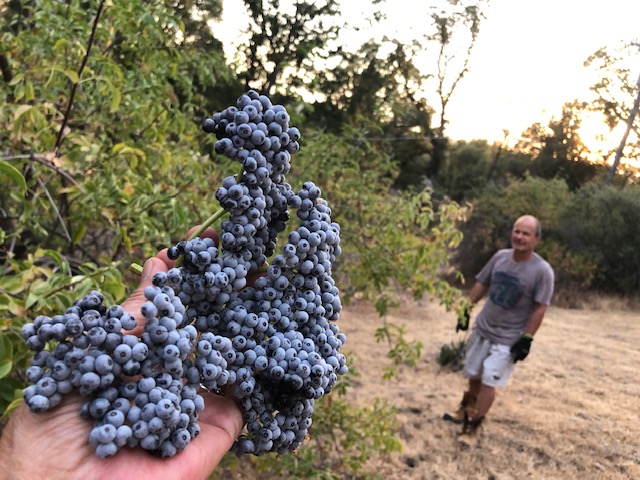
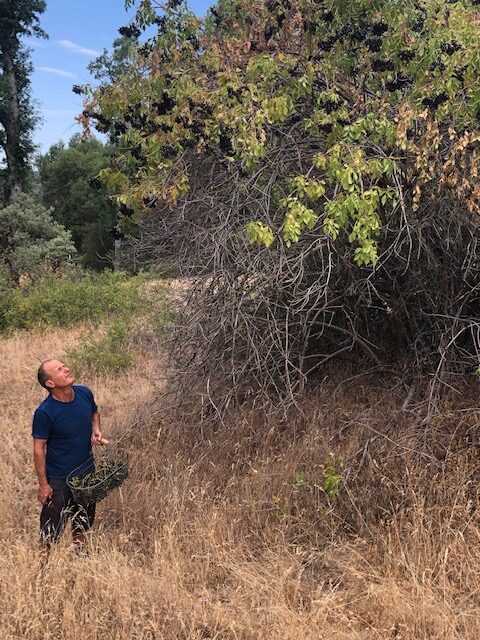
夏の手仕事ひとつ、ワイルドエルダーベリーをノースフォークで収穫する事。

大体梅仕事が終わった後の6月下旬から7月末。

エルダーベリーにはAntioxidant と言われる、抗酸化物質が豊富。

詳細は癒しのエルダーベリーティーを書いたところに書いてあるので見て下さい。

https://sanaesuzuki.com/2022/08/01/癒しのエルダーベリー・ティー/?lang=ja&_thumbnail_id=7518

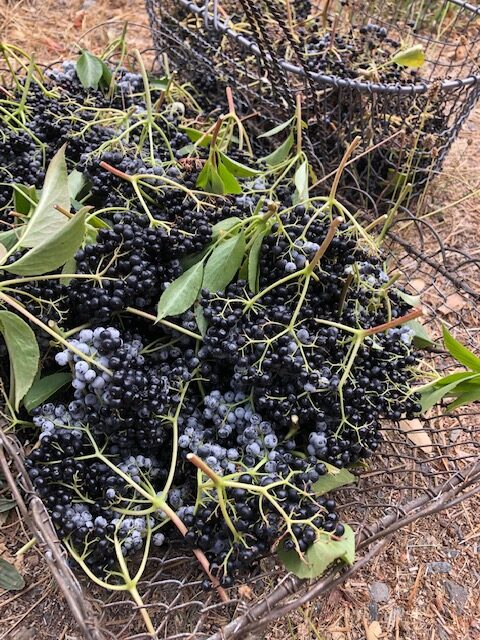
ずっとタイミングが良くなかったのか新鮮なエルダーベリーを豊富に収穫できていなかったのですが昨年、ノースフォークに行った時にたくさんのエルダーベリーを収穫できて、後でお茶にする乾燥用以外にエルダーベリーの酵素シロップとジュースなどを作った。

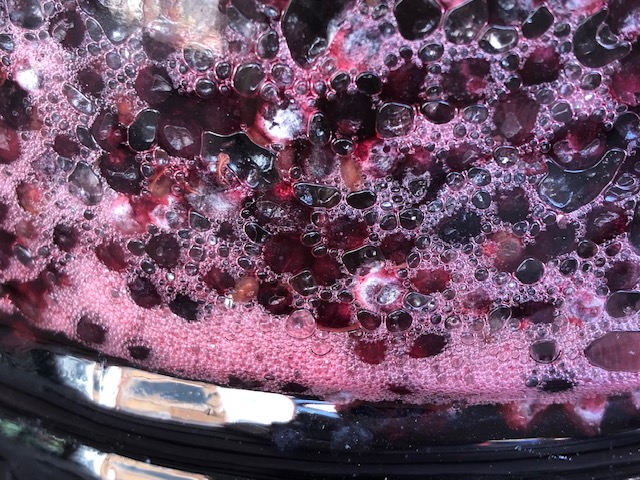
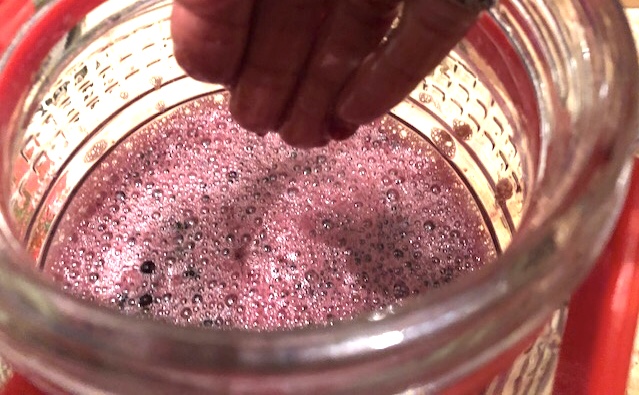
青梅の酵素ジュースとコンブチャしか作った事がなかったのでどうなるかわかりませんでしたがとても上手く出来て美味しかった。泡一杯。

また作りたくって今年はずっとエルダーベリーの木を観察して収穫日を逃さないようにしてました。

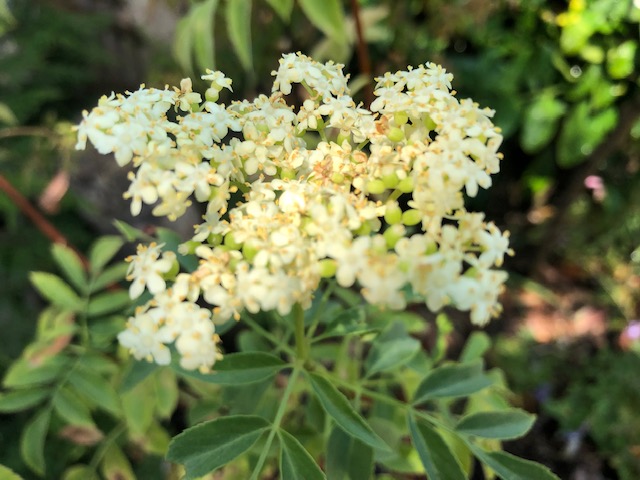
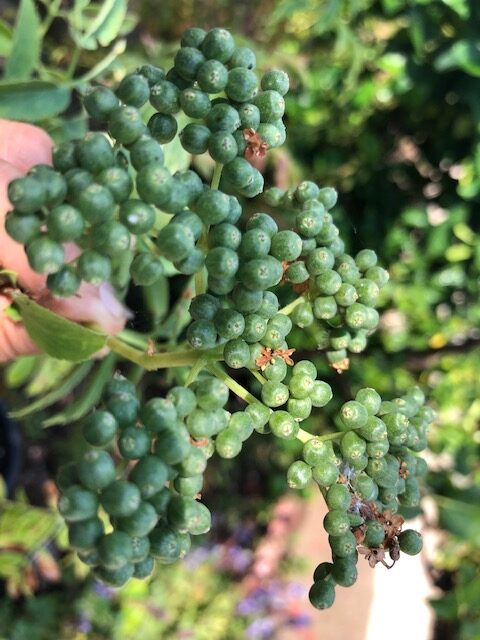
お花が咲いて(お花でシロップとスキンオイルも作ったのでこのレシピまたいつか)、緑の可愛い実がなって。。。

エルダーベリーの木は私のその期待を破らないで今年もたくさんのベリーを収穫させてくれた。ありがとう!

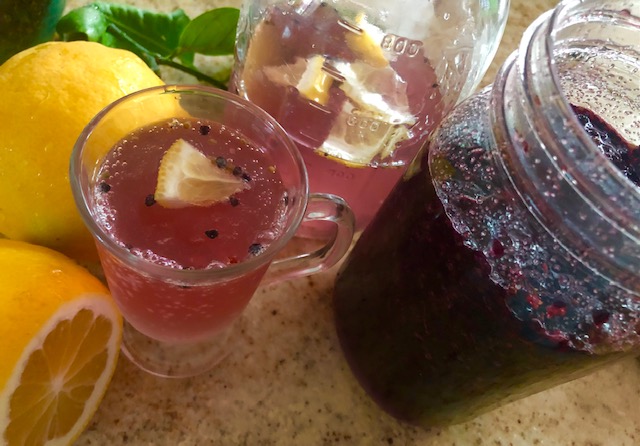
これが今年作ったエルダーベリーの酵素ジュース。

作り方は赤紫蘇のジュースと少し似ていますがお水は加えないで煮る事もしないでただ甘味料(私は甜菜糖を使った)とエルダーベリーだけ。

赤紫蘇ジュースのブログ。

https://sanaesuzuki.com/2019/07/22/赤紫蘇ジュース-夏の美味しいレメディードリンク/?lang=ja


エルダーベリー酵素シロップとジュースレシピ

材料:

  • 300 グラム (約10 オンス) エルダーベリー
  • 150~600 グラム (約5~20オンス) 甜菜糖

ジュースとして飲む時:

  • 大さじ1かもしくは少しか多め(甘味の好みで決める)
  • 1カップ 冷たい炭酸水、スプリングウォーターか暖かい浄水
  • 大さじ1~3のレモンジュースとレモンスライス

作り方:

1. エルダーベリーを収穫した後、大体の茎や葉をとる。小さい茎や葉っぱは少し残して置くと酵素作りに役立つ。虫を見つける事もあるので優しいく扱う。

2. お水でていねいに洗ってきれいにする。

3. 水を切ってなるべく水気をとる。

4. エルダーベリーをガラスのジャーに入れて甘味を入れる。

5. ジャーをゆすってなるべく混ぜ合わせる。

6.  そのまま暗くて風通しのよい涼しいところにおいて毎日ジャーをシェイクする。乾いたきれいな手で調節混ぜる事も出来ます。


7. 3~4週間で出来上がる。

8. 酵素ジュースとして飲むときは大さじ1~2のエルダーベリーシロップを1カップの冷たい炭酸水、スプリングウォーターか暖かい浄水に入れる。好みでレモンジュースとスライスを入れる。

私は氷を入れないのですが必要な人は好みで氷を入れる。

冷たい飲み物としてではなく暖かい飲み物として、お湯をさしても楽しめる。

いつか是非エルダーベリーの酵素シロップ・ジュース作ってみて楽しんでみて下さい。

Love, Sanae ❤️

P.S. エルダーベリーモクテルのレシピを新年の飲み物として書いたブログはこちら

https://sanaesuzuki.com/2020/12/31/新年のエルダーベリーモクテル/?lang=ja

Elderberry Enzyme Syrup & Juice

One of the seasonal works I do in summer with Eric is harvesting wild elderberries in North Fork.

It is usually after Umeboshi plums making in the end of June to the end of July.


Elderberry has antioxidants and many benefits for our health.

I posted my blog before on how to make elderberry tea with more information about its benefits.

https://sanaesuzuki.com/2017/02/27/healing-elderberry-tea/

I was making elderberry tea with dried elderberry most of the time since I could not harvest many fresh ones, but last year the timing was perfect when I went to North Fork, so I got so many fresh elderberries.
I saved some to dry for making tea later and tried to make enzyme syrup, juice and jam with extra fresh elderberry.

I only made Ume plum enzyme juice and Kombucha, so I did not know how elderberry works for making the enzyme syrup/juice. Wow, wow…it was so delicious.  Beautiful enzyme bubbles!!!

I wanted make it again this year so every time I went to North Fork this year, I checked elder trees and hoped I would be able to harvest enough fresh ones this year too.

The elderberry flowers had a soft aroma (I made syrup and skin oil with the flowers, which I will share someday). After the flowers, the green berries were so cute.

Elder trees did not disappoint me. Thank you, elderberry trees!

Here is the juice I made this year.

It is similar to Red Shiso Juice I shared before.

https://sanaesuzuki.com/2019/07/22/red-shiso-juice-delicious-summer-remedy-drink-for-health/

The difference is I did not add any water and no cooking. It is only elderberries and beet sugar. They are fermented together.

Elderberry Enzyme Juice Recipe

Ingredients

  • 300 g (about 10 oz) fresh elderberries
  • 150~600 g (about 5~20oz) sweetener (I used beet sugar) 

To make juice to drink

  • 1 tablespoon, less or more (depending on how sweet you want)
  • 1 cup, cold sparkling water, cold spring water, or hot spring water
  • 1 tablespoons, lemon juice and a slice of lemon

Instructions

1. Prepare elderberries; trim the stems from elderberries after harvesting them. You can leave some of the leaves and stems for enforcing enzymes. There might be insects, so be careful handling them.

2. Wash elderberries with water and cleans them carefully. 

3. Strain the water of elderberries in a basket and dry them as much as you can.

4. Place elderberries in a bottle jar and add beet sugar.

5. Shake the jar to mix them as much as you can.

6. Leave them a cool dark place near you and shake it every day or every other day. You can also mix it with your clean dry hand.


7. It should be ready to drink in about 3~4 weeks.

8. To drink Elderberry enzyme syrup as juice, you put 1~2 tablespoons of elderberry enzyme syrup and add about 1 cup of cold sparkling water or spring water. I usually do not put ice cubes, but If you like, you can add ice cubes. Lemon juice and a slice of lemons enhance the taste too.


You can also put hot/warm water for someone who loves a warm drink/tea.

I hope you like it and enjoy Elderberry Enzyme Juice!

Love, Sanae ❤️

P.S. Here is Elderberry Mocktail recipe that I posted for new year, if you like to try something new.

https://sanaesuzuki.com/2020/12/31/new-year-elderberry-mocktail/