Joy of Teaching Sashiko

Some people have clear dreams and goals from a young age—and some are able to make them come true.
That wasn’t the case for me.
 
When I was in elementary school, I dreamed of opening a flower shop or a nursery, growing and selling my own plants. We didn’t have a garden at home, so I grew flowers in wooden boxes I collected from a fruit shop. Eventually, that dream faded.
 
Later, I loved swimming and briefly imagined becoming an Olympic athlete. I enjoyed reading novels and writing, and for a time I wanted to become a writer. At 17, when I traveled to Hawaii, I thought becoming a flight attendant might be a good path. After getting my driver’s license, I fell in love with driving and even dreamed of becoming an F1 racer.
 
At 19, I moved to the United States and studied photojournalism in college. I thought I might pursue that path, but I eventually left my job as a media coordinator when I realized it would leave me with little time for what mattered most to me—my garden and my animal family.
 
Before receiving my green card, I worked many different jobs: at a duty-free store and souvenir shop, detailing cars, gardening, and even growing South American plants in a greenhouse. After I became a permanent resident and got married, I worked for a Japanese company, a subsidiary of Mitsubishi, without thinking deeply about what I truly wanted to do.
 
Then, in 1993, my life changed.
 
I was diagnosed with ovarian cancer.
 
My father had passed away from liver cancer less than a year after his diagnosis, so I chose to focus on healing through a holistic approach centered on a macrobiotic diet. During this turning point, I studied macrobiotic cooking and Yin-Yang philosophy at the East West Macrobiotic Center in Los Angeles.
 
I was deeply committed to healing, and I devoted myself to studying and practicing natural remedies and macrobiotics.
 
At that time, I never imagined I would one day teach or share my knowledge with others.
 
But as I recovered, people around me began asking me to share my experience. In 1995, after starting a new role as a macrobiotic consultant at Erewhon Natural Foods Market, I taught my first macrobiotic cooking class.
 
I later became a certified macrobiotic nutrition counselor through the Kushi Institute and graduated from massage school. My husband, Eric, is a chef, and together we started a macrobiotic meal delivery and private cooking service, along with offering healing practices such as Shiatsu and Reiki.
 
Eventually, we opened a macrobiotic vegan restaurant, Seed Kitchen. Running a restaurant was both challenging and stressful, and after eight years, we made the difficult decision to close it.
 
Six months later, I became seriously ill again.
 
I was diagnosed with stage IV non-Hodgkin lymphoma and was given only weeks to live. Because the cancer progressed rapidly, I chose to undergo chemotherapy to save my life, while continuing my macrobiotic and holistic practices. These helped reduce the side effects of treatment and once again reminded me of the importance of living in balance and caring for my health.
 
I can hardly believe that nearly 30 years have passed since then.
 
In 2020, the pandemic brought another turning point. I stopped teaching cooking classes and returned to long-held passions: sashiko, natural dyeing, and growing organic plants.
 
Macrobiotic philosophy teaches that everything is always changing, and I felt it was time to embrace a new direction.
 
Then, an opportunity came—to teach a botanical workshop alongside sashiko.
 
I was happy to teach again.

For me, teaching is sharing my practice and lived experience.
 
I usually enjoy solitude. Much of my time is spent at home with my animal family—working on textile projects, tending the garden, and occasionally offering counseling and healing work. Teaching workshops allows me to connect with others while maintaining that balance.


I was surprised and grateful that the sashiko workshops were more popular than I expected.
 

17-year-old high school student who participate

 
In my workshops, I begin by sharing the history and fundamentals of sashiko. I teach how to hold the fabric and needle, how to prepare the thread, and the relationship between fabric and thread through itokoki (糸こき)—a process of smoothing the thread by running it through the fabric.
Thread length is also personal. I explain it as the distance from one’s fingertips to one’s heart—a connection between heaven (the heart) and earth. Each person finds their own length.

 
Drawing from my background in macrobiotics, I weave in the essence of balance and Yin-Yang philosophy. For beginners, I often introduce kome-zashi (rice stitch 米刺し), a type of hitomezashi pattern created from hand-drawn grid lines. I chose vertical lines as rising stitches—a symbol of beginning.
 
When participants begin stitching and see the patterns emerge, they often say, “Wow, it’s so beautiful.”

 
It is a simple yet profound pattern—one that reflects balance, mindfulness, and quiet beauty in daily life.
 
I teach sashiko regularly at the Japanese American Cultural & Community Center (JACCC), Tortoise (TGS) in Venice,  and Wildfiber Studio in Santa Monica. 
 
I’ve also received invitations from the Visions Museum of Textile Art in San Diego, among others.

I have also taught at Chief (an executive private club for women in West Hollywood for Four Objets) and Merrihew Sunset Gardens in Santa Monica.


I have asked to teach Sashiko as a meditative practice at the yoga studio where I used to teach yoga. I have also received requests to teach Sashiko workshops in San Francisco and North Carolina.

Sashiko is not only about visual beauty—it reflects wabi-sabi, the beauty of imperfection and authenticity. Stitching slowly, one stitch at a time, calms the mind and nurtures presence.
 
It encourages us not to ignore stress, but to acknowledge and move through it.
It also supports a sustainable way of living—extending the life of clothing made from natural fibers through mending and reinforcement.


Being able to share sashiko in this way brings me deep joy—truly, a “wow” feeling.
 
I don’t know where this path will lead, but for now, I am simply enjoying the journey.


With gratitude,

Sanae ❤️

Live Life One Stitch at a Time

End of 2024.
I reflected on this year of 2024 as challenging since I felt stuck and not moving forward for me.

However, this was a fruitful year in which I learned that this state of standing still is the time necessary to move on to the next step.
Of course, even though I can write this now, it was not easy, and I got irritated and even sad.

But it allowed me to cherish my feelings, spend each day quietly, and do what I could with gratitude even when my moody feelings were elsewhere. I observed my emotions – breathing in and out, meditating.
It was important to me to see the things I didn’t like about myself.

I lost interest in many things but somehow wanted to hand-stitches. 
What is my attraction for wanting to hand-stitches?


One day, I remember when I was in elementary school, a classmate named “Akemi”-chan (a charming classmate)always wore fashionable clothes made by her mother. I dreamed of being able to make my own clothes since my mother was not crafty.
No one in my family did anything like art or crafty, but I have been attracted to making something since I was six years old with my hand, gardening, Japanese calligraphy, crocheting, “hanga” wood print, and embroidery.
I really wanted to master using a sewing machine and make cute, fashionable clothes like Akemi-chan was wearing.

Around that time, a home economics class assignment was to make pajamas using a sewing machine. I was excited and asked my mother to buy one, but the sewing machine she bought me was different from the one at school, and as a 10-year-old, I used it without guidance and broke the machine.
My mother scolded me. I felt so bad and lost confidence in using the sewing machine.

I never wanted to use a sewing machine anymore, but I have continued to enjoy making things with my hand: weaving, knitting, and crocheting.

In 2017, I found a sewing class in my neighborhood where you could sew pants using a sewing machine, so I decided to try it. I finished sewing the pants and got a sewing machine, but I didn’t feel very excited about it.


Why?
I think, I was still scared that I might break it again.
Also, I did not like the mechanical sound.
It might be the same as preparing sesame seeds in a mortar and pestle, but it suits my personality better than using a food processor when cooking.

I continued hand stitching Sashiko (traditional Japanese embroidery) more and enjoyed it very much.
It fits in my lifestyle and quietness.
I realized that whenever I felt stuck, I stitched.
When I got COVID-19 and after a neighbor’s dog attacked one of my dogs, Nalu and me, I was feeling blue.

Moyouzashi Sashiko I did while I had Covid.


This year, I also completed a masterpiece of embroidery, which I had not done since elementary school. It was using natural dye threads. I learned more than ever the joy and enjoyment of stitches by hand.

I embroidered my signature.

It is unthinkable for me, who was so active and did not have time to sit for a long time before I got ovarian cancer in 1993. At that time, I was going all over the place doing things like scuba diving and skydiving.

After I recovered from ovarian cancer, I started studying and teaching macrobiotics and started traveling here and there again.
Then, in 2001, I was left bedridden after a near-death car accident.
The doctor diagnosed I couldn’t even walk and would be in a wheelchair for the rest of my life. Before the car accident, I went to a ceramic studio two or three times a week but could not do it anymore.

I had to learn to find joy and enjoy my life by doing things I could do while sitting in my wheelchair.
Without this challenge, I might not have been able to sit down and slowly hand-stitchche Sashiko and write my books and blogs.


In 2017, I was diagnosed with stage IV lymphoma and was given less than a month to live. 
I was shocked to hear I got another cancer.  I knew I was grieving losing my precious service dog, Kula, and my husband and I had closed our Seed Kitchen restaurant six months before. I was extremely exhausted from eight years in the restaurant business.

At the same time, I felt it was time to initiate my life again connection with myself; otherwise, I would have lost it. I slowed down and found even a moment of joy each day with myself when I was taking chemotherapy.

One of the things I found is how to live by creating my hand and making something I can enjoy and share with others.

Amid all these challenges, I am overwhelmed by the peace of mind that allows me to accept the changes in my body and mind and do what I can little by little.

Lately, I’ve been thinking that maybe it was planned for me to lead this way of life ever since I broke the sewing machine my mother bought, and my life is annica and impermanent.

Embroided and Sashiko stitched over my eco-print fabric on my 30 years old pillow case fabric.

I observe my breath one breath at a time and do Sashiko as I live my life one stitch at a time.

Sashiko stitched with Sakura (cherry blossom) dye thread and created booties.

As we move into the Year of the Snake 2025, I wish everyone a year filled with wisdom, growth, and good fortune.
I hope to support your healing continuously, even in a small way.

Love,

Sanae❤️


P.S. I am grateful to be able to teach my first sashiko class at Japanese American Culture Community Center (JACCC).
https://jaccc.org/events/sashiko-basics-introduction-workshop-for-beginners/

Rice stitches.

Take Care of Your Kidneys – Ginger Compress Hands On Workshop

The kidneys are more active in the winter season and they do not like cold weather, so this is a good time to take care of them.

Your kidneys’ health is connected to:

  • Maintaining blood pressure
  • Controlling blood glucose levels for those with diabetes
  • Maintaining cholesterol levels
  • Helping regulates or loses weight
  • Relieving back, knee and joint pain
  • Reducing swelling
  • Helping/Preventing skin problems
  • And more!


650-azuki-and-umeboshi-remedy-drink

Azuki Remedy Drink with Kombu Sea Vegetable and Umeboshi Plum


In this class, you will learn:

  • How to make an adzuki bean remedy drink to help regulate kidney functions
  • How to make the azuki bean sweet which is gentle for the kidneys
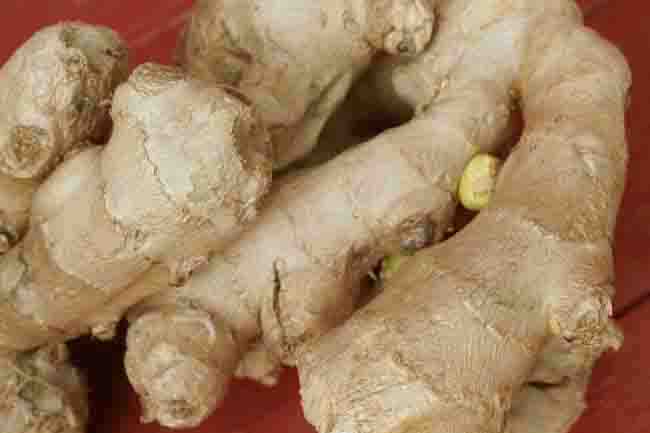
  • How to make and apply a ginger compress to help dissolve stagnation and tension and to stimulate blood circulation for the kidneys and other areas
  • Meridian points for strengthening the kidneys
  • Exercises to stimulate for the kidneys


650-ginger-compress

What you need for Ginger Compress


This warkshop is a hands-on class so you make your own Ginger Compress and apply it over your kidneys or/and other areas that you want.

Please bring a 1-gallon stainless pot (so you can take your ginger compress with you and use it one more time at home), also at least two washcloths and two hand towels for your ginger compress, and a blanket (for you lie on the floor).


Date: Sunday, Oct. 30, 2016

Time: 2~5pm

Location: Studio “mugen” 2610 23rd St. Santa Monica, CA 90405

Fee: $60

Only 5 people can be taken this workshop!


http://www.meetup.com/Vegan-Macrobiotic-Community-Meetup-Group/events/234849170/

If you want to attend the class, please email me sanaehealing@gmail.com


Love,

Sanae💖